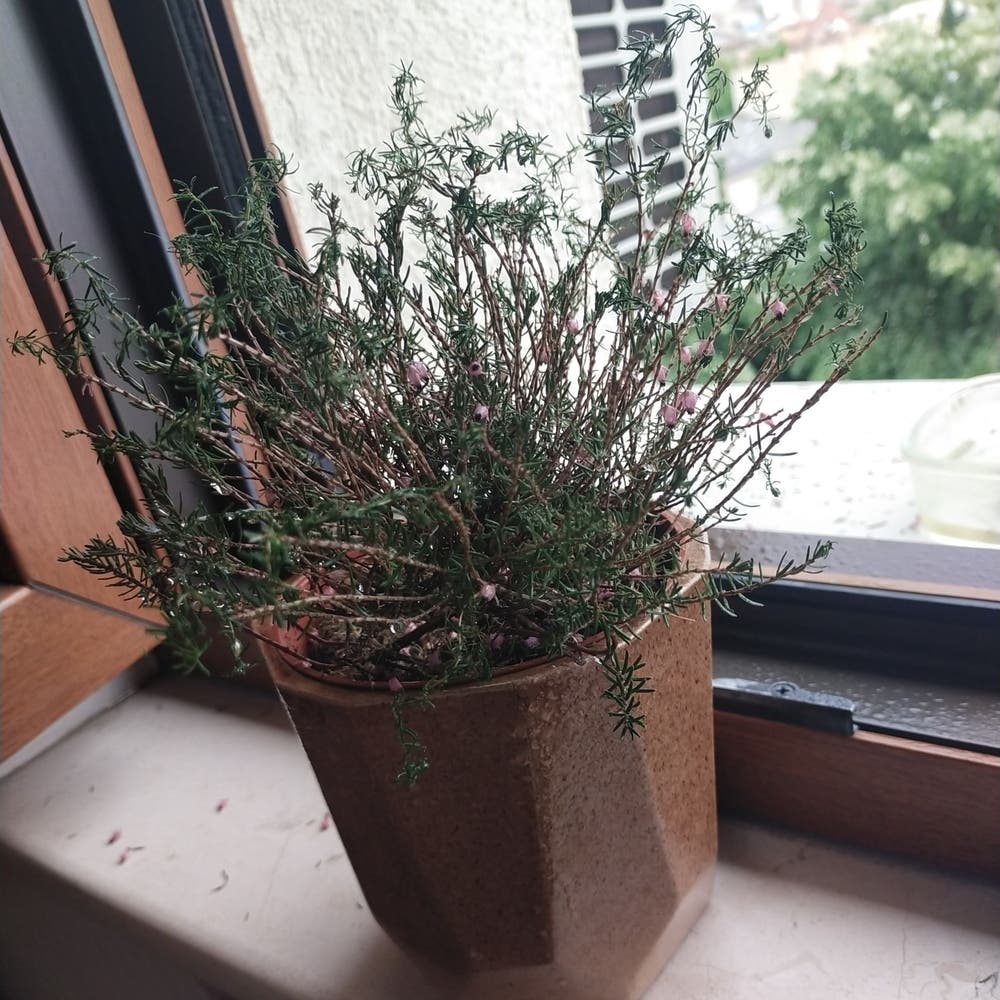
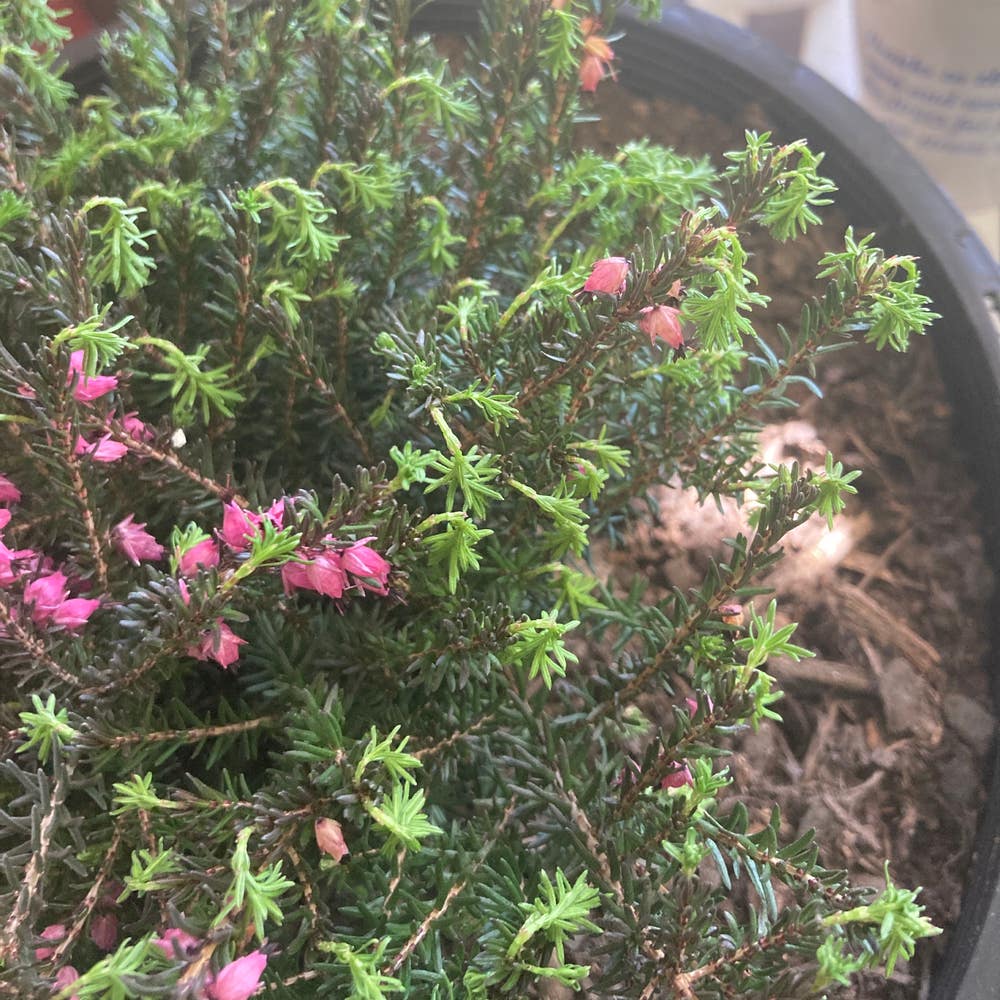
🌸 4 Factors Affecting Heath Flowering
Erica spp.
By the Greg Editorial Team
Oct 04, 2024•5 min read
This article was created with the help of AI so we can cover more plants for you. May contain errors. See one? Report it here.
Master light, nutrition, and pruning for vibrant Heath blooms 🌸 and transform your garden into a floral paradise!
- 🌞 Heath plants thrive in full sun to partial shade for optimal blooming.
- 🌱 Key nutrients like nitrogen, phosphorus, and potassium are essential for vibrant flowers.
- ✂️ Pruning after flowering promotes new growth and future blooms in Heath plants.
Light Requirements
Importance of Sunlight for Blooming ☀️
Heath plants thrive best in full sun to partial shade, making sunlight crucial for their flowering. This exposure triggers the bloom cycle, directly influencing the development of vibrant flowers.
Effects of Too Much or Too Little Light 🌗
Too Much Light
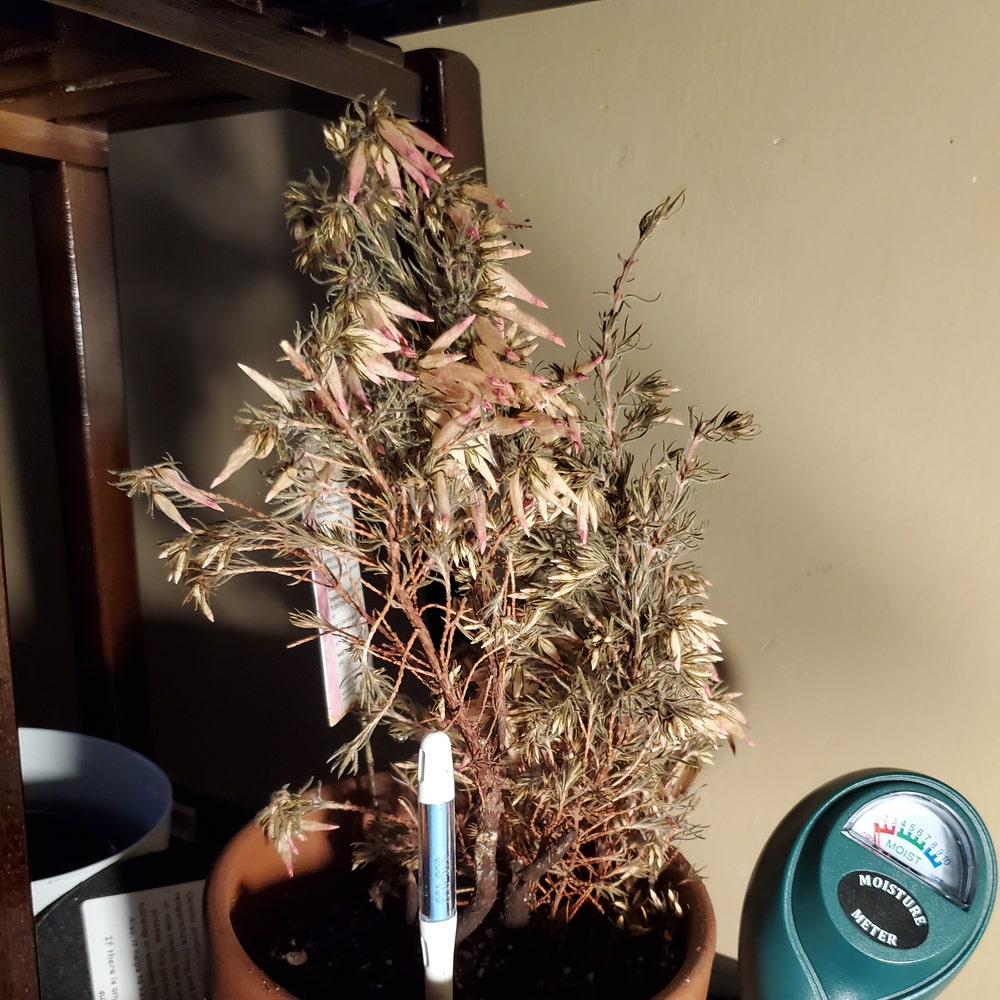
Excessive sunlight can scorch leaves and diminish flower production. Look for signs like leaf discoloration and wilting to identify this issue.
Too Little Light
Insufficient light leads to weak stems and fewer blooms. Signs include elongated growth and sparse flowering, indicating your plant needs more sun.
Understanding the light requirements of Heath plants is essential for fostering healthy blooms. Next, let’s explore the nutritional needs that support their vibrant flowering.
Nutritional Needs
🌼 Key Nutrients for Flowering
Heath plants thrive on a balanced diet of essential nutrients. Nitrogen, phosphorus, and potassium are crucial for vibrant blooms and overall health.
Micronutrients like magnesium and iron also play a significant role in flower development. These elements support various physiological processes, ensuring your plants flourish.
⚠️ Signs of Nutrient Deficiencies
Recognizing nutrient deficiencies early can save your Heath plants from stress. Yellowing leaves often indicate a nitrogen deficiency, signaling that your plant needs more of this vital nutrient.
If you notice poor flower production, it may suggest a phosphorus deficiency. Stunted growth is typically linked to potassium deficiency, so keep an eye out for these signs.
🌱 Recommended Fertilizers for Heath
To nourish your Heath plants effectively, consider using slow-release fertilizers with a balanced NPK ratio, such as 10-10-10. This ensures a steady supply of nutrients over time.
For those who prefer organic options, fish emulsion or seaweed extract can enhance nutrient uptake. These natural fertilizers not only feed your plants but also improve soil health, creating a thriving environment for blooms.
By understanding and addressing the nutritional needs of your Heath plants, you can foster a vibrant display of flowers. Next, let’s explore pruning techniques that can further encourage blooming.
Pruning Techniques
Best Practices for Pruning to Encourage Blooms 🌸
Pruning is essential for promoting healthy blooms in Heath plants. The best time to prune is after flowering, as this encourages new growth and sets the stage for future blooms.
Removing dead or damaged branches is also crucial. This practice not only enhances air circulation but also helps prevent disease, allowing your plants to thrive.
Timing of Pruning for Optimal Flowering ⏰
Timing is everything when it comes to pruning. Late spring, right after the blooming season, is the ideal time to give your Heath plants a trim.
Be cautious about heavy pruning in late summer. Doing so can lead to bud drop, which is the last thing you want when aiming for a vibrant display of flowers.
With these pruning techniques in mind, you can ensure your Heath plants remain healthy and ready to bloom beautifully. Next, let’s explore common flowering problems and how to tackle them effectively.
Common Flowering Problems
🌼 Failure to Bloom
Heath plants can sometimes disappoint with a lack of flowers. This issue often stems from insufficient light exposure, nutritional deficiencies, or environmental stressors like temperature fluctuations.
Potential Causes
- Insufficient light exposure: Without enough sunlight, blooms may not develop.
- Nutritional deficiencies: Missing key nutrients can hinder flower growth.
- Environmental stressors: Temperature changes can shock the plant, affecting blooming.
Solutions and Remedies
- Assess light conditions: If your plant isn’t getting enough sun, consider relocating it.
- Test soil for nutrients: Use a soil test kit to check nutrient levels and amend as needed.
- Monitor environmental conditions: Keep an eye on temperature and humidity to ensure stability.
🌸 Premature Flower Drop
Another common issue is premature flower drop, which can be frustrating. This often occurs due to sudden changes in temperature or humidity, nutrient imbalances, or pests affecting plant health.
Causes of Bud Drop
- Sudden temperature or humidity changes: These fluctuations can shock the plant.
- Nutrient imbalances: A lack of essential nutrients can lead to bud drop.
- Pests or diseases: Infestations can weaken the plant, causing flowers to fall.
Preventative Measures and Solutions
- Maintain consistent watering: Regular watering helps keep humidity levels stable.
- Inspect for pests: Regular checks can catch issues before they escalate.
- Ensure proper fertilization: A balanced diet supports healthy blooms.
🌺 Abnormal Flower Development
Sometimes, flowers may develop abnormally, appearing smaller or misshapen. Discoloration or a lack of vibrancy can also signal underlying issues.
Identifying Abnormal Growth Patterns
- Smaller or misshapen flowers: These can indicate stress or nutrient issues.
- Discoloration: Faded colors often point to deficiencies or environmental stress.
Corrective Actions to Take
- Evaluate light and nutrients: Check if your plant is getting enough light and nutrients.
- Adjust watering practices: Ensure your watering routine supports healthy growth.
- Consult local gardening experts: They can provide insights specific to your plant variety.
Understanding these common flowering problems can empower you to take action and nurture your Heath plants back to health. With the right care, you can enjoy a vibrant display of blooms.
⚠️ Safety First
This content is for general information and may contain errors, omissions, or outdated details. It is not medical, veterinary advice, or an endorsement of therapeutic claims.
Always consult a qualified healthcare professional before using any plant as food, medicine, or supplement.
Never eat any plant (or feed one to pets) without confirming its identity with at least two trusted sources.
If you suspect poisoning, call Poison Control (800) 222-1222, the Pet Poison Helpline (800) 213-6680, or your local emergency service immediately.
Spotted an error? Please report it here.
Unlock a blooming paradise 🌸 by mastering light and nutrients for your Heath plants with Greg's tailored care tips and reminders that keep your garden thriving!