Best Heath Varieties 🌸
Erica spp.
By the Greg Editorial Team
Nov 07, 2024•6 min read
This article was created with the help of AI so we can cover more plants for you. May contain errors. See one? Report it here.
Transform your garden with resilient Erica cultivars that bloom vibrantly, even in winter! 🌿✨
- 🌼 Winter Heath thrives in acidic soils, perfect for colder climates and early blooms.
- 🌸 Popular cultivars like 'Springwood Pink' and 'Kramer's Rote' add vibrant colors to gardens.
- 🌱 Proper care ensures healthy growth; focus on watering, fertilization, and pest management.
Characteristics of Erica carnea Cultivars
🌿 Description of Erica carnea (Winter Heath)
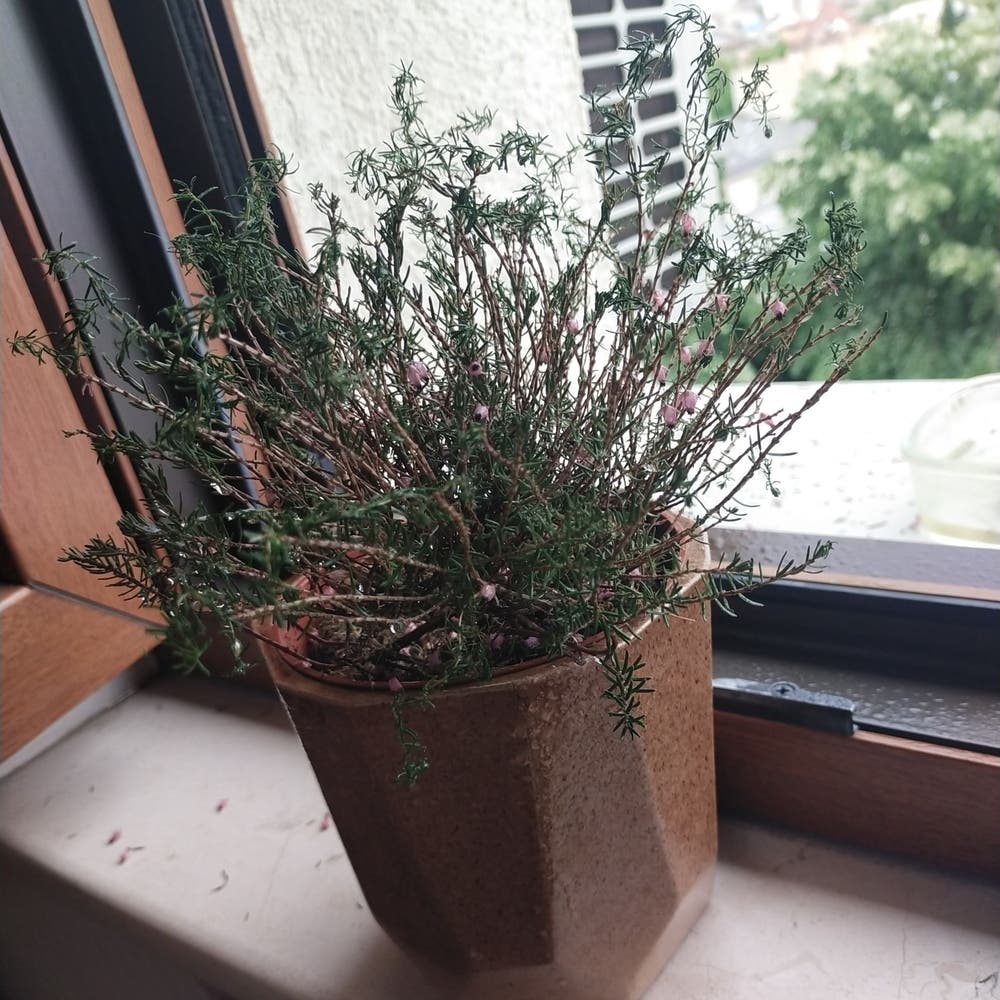
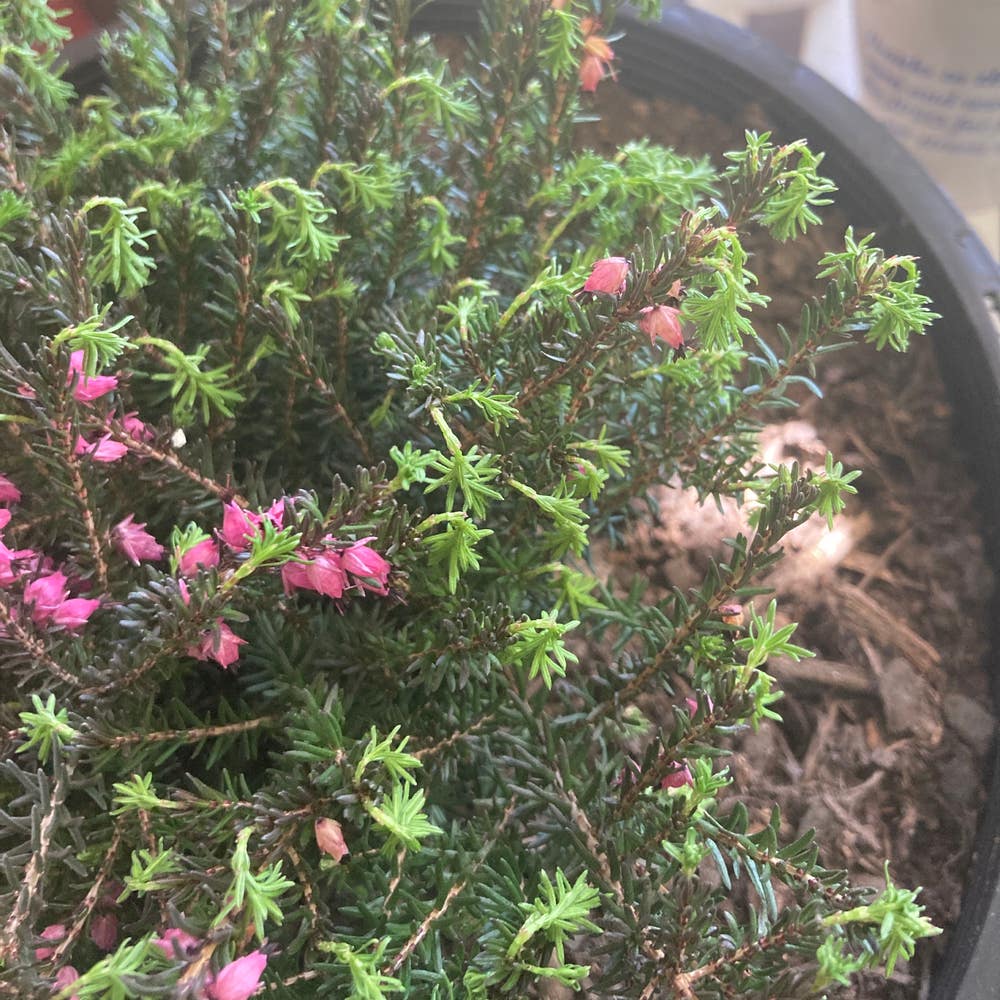
Erica carnea, commonly known as Winter Heath, is a resilient evergreen shrub that thrives in acidic soils. Its needle-like leaves and vibrant flowers make it a popular choice for gardens, especially in colder climates.
🌸 Popular Cultivars
'Springwood Pink'
One of the standout cultivars is 'Springwood Pink,' known for its stunning pink flowers that bloom in early spring. This cultivar can display various shades, ranging from soft blush to deeper pink, adding a delightful touch to any landscape.
'Myretoun Ruby'
Another favorite is 'Myretoun Ruby,' which features rich ruby-red blooms. This cultivar is compact and bushy, making it ideal for borders or rock gardens, and it offers a unique growth habit that sets it apart from others.
🌼 Flowering Seasons
Erica carnea cultivars typically flower from late winter to early spring, with blooms lasting several weeks. This early flowering period provides essential color and interest in the garden when many other plants are still dormant.
📏 Size Differences
In terms of size, Erica carnea cultivars generally reach heights of 12 to 18 inches and can spread about 24 inches wide. Their compact nature makes them suitable for small gardens or as ground cover in larger landscapes.
With a variety of cultivars to choose from, Erica carnea offers both beauty and versatility for any garden enthusiast. Next, we will explore the characteristics of Erica cinerea cultivars, another fascinating group of heaths.
Characteristics of Erica cinerea Cultivars
🌼 Description of Erica cinerea (Bell Heather)
Erica cinerea, commonly known as Bell Heather, is a charming evergreen shrub that thrives in acidic soils. Its small, bell-shaped flowers bloom in various shades, adding a vibrant touch to gardens and landscapes.
🌟 Popular Cultivars
'Kramer's Rote'
One of the standout cultivars is 'Kramer's Rote,' known for its striking deep red flowers. This variety not only offers a bold color but also attracts pollinators, making it a favorite among gardeners.
'Alba'
Another popular choice is 'Alba,' which features delicate white blooms that create a serene atmosphere. This cultivar is appreciated for its compact growth habit, making it suitable for smaller spaces.
🌸 Flowering Seasons
Erica cinerea typically flowers from late summer to early fall, providing a burst of color when many other plants are fading. The blooms can last for several weeks, ensuring a prolonged display of beauty.
📏 Size Differences
In terms of size, Erica cinerea cultivars generally reach heights of 12 to 24 inches and spread about 18 to 24 inches. This compact growth makes them ideal for borders, rock gardens, or as ground cover.
With their unique characteristics and vibrant blooms, Erica cinerea cultivars are a fantastic addition to any garden. Next, we will explore the characteristics of Erica tetralix cultivars, another fascinating group of heath plants.
Characteristics of Erica tetralix Cultivars
🌼 Description of Erica tetralix (Cross-leaved Heath)
Erica tetralix, commonly known as Cross-leaved Heath, is a charming evergreen shrub native to heathland and moorland areas. Its delicate, needle-like leaves and small, bell-shaped flowers create a soft, inviting appearance that enhances any garden setting.
🌸 Popular Cultivars
'Hebe'
One of the standout cultivars is 'Hebe', known for its vibrant pink flowers that bloom in late summer. This variety is particularly appreciated for its compact growth habit, making it an excellent choice for smaller gardens or containers.
'Pink Ice'
Another popular option is 'Pink Ice', which features stunning pale pink flowers that contrast beautifully with its dark green foliage. This cultivar is recognized for its resilience and ability to thrive in various conditions, making it a favorite among gardeners.
🌺 Flowering Seasons
Erica tetralix typically flowers from late spring to early autumn, providing a long season of color. The blooms can last several weeks, adding a delightful touch to your landscape during the warmer months.
📏 Size Differences
In terms of size, Erica tetralix cultivars generally reach heights of 12 to 24 inches and can spread up to 30 inches wide. This moderate size makes them versatile for both borders and ground cover, fitting seamlessly into diverse garden designs.
With their unique characteristics and vibrant blooms, Erica tetralix cultivars are a fantastic addition to any garden. Next, we’ll explore hybrid and rare Heath varieties that offer even more diversity and intrigue.
Hybrid and Rare Heath Varieties
🌟 Notable Rare Heath Cultivars
Rare Heath varieties are a treasure trove for plant enthusiasts. These unique cultivars often exhibit distinct characteristics that set them apart from more common species.
Some notable examples include the Erica vagans, known for its vibrant pink flowers, and Erica mackayana, which boasts a striking white bloom. These varieties not only add diversity to gardens but also contribute to the ecological balance by supporting local wildlife.
Conservation and cultivation of these rare varieties are crucial. As habitats change, preserving these plants ensures that future generations can enjoy their beauty and ecological benefits.
🌈 Unique Features of Hybrid and Rare Varieties
Hybrid Heaths bring a fresh twist to traditional gardening. They often feature enhanced flowering patterns, varied sizes, and increased resilience to environmental stressors.
When compared to their more common counterparts, rare varieties can offer unique aesthetic and functional benefits. For instance, hybrids may bloom longer or thrive in less-than-ideal soil conditions, making them versatile choices for diverse landscapes.
In terms of landscape use, hybrid and rare Heaths can serve as focal points in garden designs or as ground cover in challenging areas. Their unique traits not only beautify spaces but also promote biodiversity, making them a smart choice for eco-conscious gardeners.
As we explore the care requirements for these captivating plants, understanding their specific needs will help ensure their thriving presence in our gardens.
Care Requirements for Specific Cultivars
🌱 Special Care Needs for Popular Cultivars
Caring for popular Heath cultivars requires a moderate level of attention. These plants thrive best with consistent watering and appropriate fertilization to ensure robust growth.
Watering should be regular but not excessive; the soil should remain moist but never waterlogged. Fertilize during the growing season with a balanced, slow-release fertilizer to support healthy blooms.
Pest and disease management is crucial. Common issues include root rot and aphids, so keep an eye out for any signs of distress and address them promptly.
🌍 Environmental Preferences for Rare Varieties
Rare Heath cultivars have specific environmental needs that must be met for optimal health. They prefer acidic, sandy soils that provide excellent drainage and aeration.
Light is also a key factor; most rare varieties thrive in full sun to partial shade. To create a suitable environment, amend your soil with organic matter and ensure it mimics their natural habitat.
🌿 Fertilization and Watering for Hybrid Heaths
Hybrid Heaths benefit from a tailored fertilization schedule to enhance their unique traits. A light application of fertilizer in early spring can kickstart growth, followed by another in mid-summer.
Watering techniques should focus on deep, infrequent watering to encourage strong root systems. Ensure that the soil drains well, as hybrid Heaths are particularly sensitive to waterlogged conditions.
By understanding and meeting these care requirements, you can enjoy vibrant, healthy Heath plants that enhance your garden's beauty. Next, we’ll explore the unique features of hybrid and rare Heath varieties.
⚠️ Safety First
This content is for general information and may contain errors, omissions, or outdated details. It is not medical, veterinary advice, or an endorsement of therapeutic claims.
Always consult a qualified healthcare professional before using any plant as food, medicine, or supplement.
Never eat any plant (or feed one to pets) without confirming its identity with at least two trusted sources.
If you suspect poisoning, call Poison Control (800) 222-1222, the Pet Poison Helpline (800) 213-6680, or your local emergency service immediately.
Spotted an error? Please report it here.
Transform your garden into a blooming paradise 🌸 with Heath plants, and let Greg provide tailored care reminders to help your vibrant blooms thrive all season long!