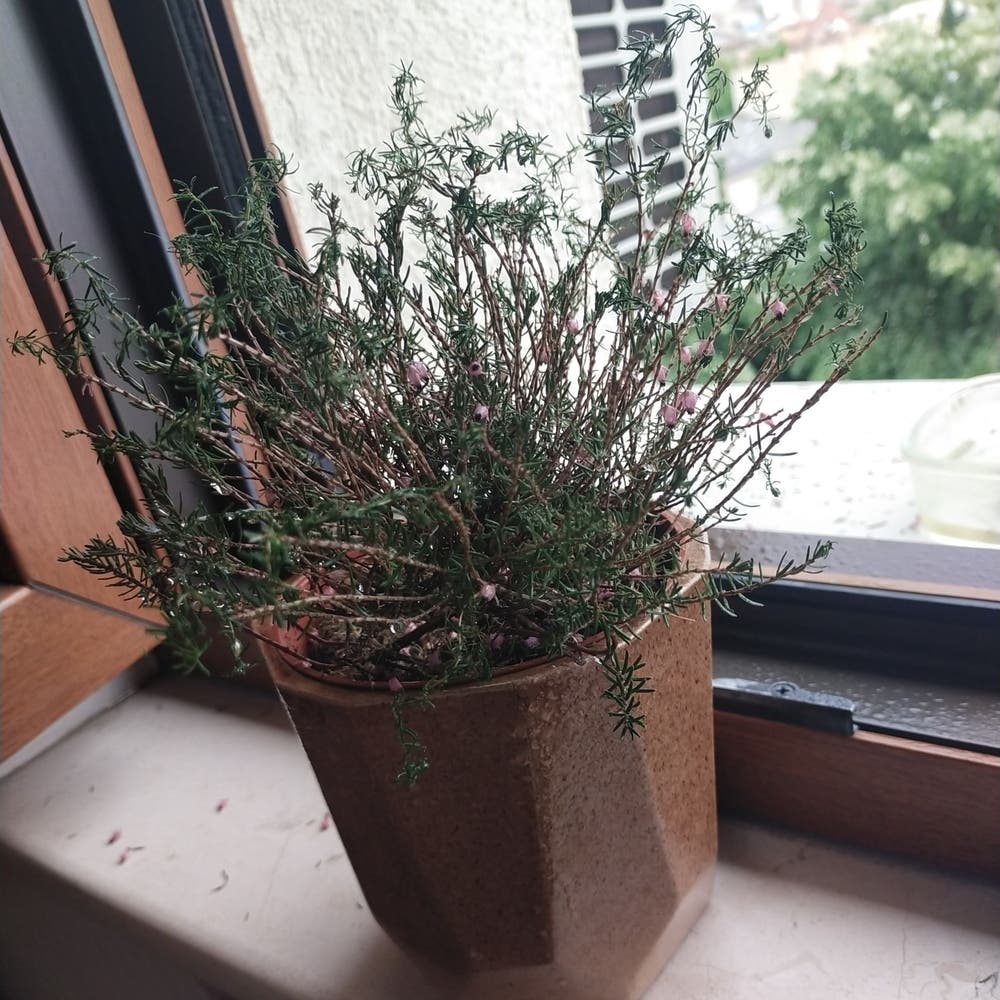
🍂 Managing Leaf Drop on Your Heath
Erica spp.
By the Greg Editorial Team
Oct 04, 2024•8 min read
This article was created with the help of AI so we can cover more plants for you. May contain errors. See one? Report it here.
Keep your Heath plants thriving and vibrant 🌱 by mastering essential tips to prevent leaf drop!
- 🌡️ Leaf drop in Heath plants results from temperature extremes and low humidity.
- 💧 Maintain humidity between 40%-60% and water every 1-2 weeks to prevent issues.
- 🐛 Inspect for pests and diseases regularly to catch problems early and protect plants.
Causes of Leaf Drop
🌡️ Environmental Stress Factors
Temperature extremes can significantly impact your Heath plants. The ideal temperature range is between 15°C to 25°C (59°F to 77°F).
When temperatures stray too far from this range, you may notice symptoms like leaf curling or discoloration. Both heat stress and cold stress can lead to leaf drop, so keeping an eye on temperature is crucial.
Humidity levels also play a vital role in leaf health. The optimal humidity for Heath plants is between 40% to 60%.
Low humidity can cause leaves to dry out and drop prematurely, so consider using a humidifier or misting your plants if the air is too dry.
💧 Soil Moisture Issues
Overwatering
Overwatering is a common issue that can lead to leaf drop. Signs of overwatering include yellowing leaves and mushy roots.
Well-drained soil is essential for maintaining the health of your Heath plants, as it prevents root rot and other moisture-related problems.
Underwatering
On the flip side, underwatering can also cause distress. Symptoms include wilting and crispy leaf edges.
To keep your Heath thriving, aim to water every 1-2 weeks, adjusting based on environmental conditions.
🥦 Nutrient Deficiencies
Nitrogen Deficiency
Nitrogen is crucial for leaf health. A deficiency often manifests as pale leaves and stunted growth.
Ensuring your Heath receives adequate nitrogen can help maintain vibrant foliage.
Potassium Deficiency
Potassium plays a key role in overall plant vigor. Symptoms of deficiency include leaf tip burn and poor flowering.
Regularly checking nutrient levels can help you avoid these issues and keep your Heath flourishing.
🐜 Pest Infestations
Common Pests
Pests can wreak havoc on your Heath plants. Aphids are notorious for their damaging effects, often leaving behind curled leaves and sticky residue.
Spider mites can also be a problem, as they create webbing and cause stippled leaves. Early detection and control are essential for managing these infestations effectively.
🍄 Fungal Diseases
Root Rot
Root rot is a serious concern for Heath plants. Symptoms include wilting and brown roots, often caused by poor drainage or overwatering.
Addressing drainage issues promptly can help prevent this devastating condition.
Leaf Spot
Leaf spot is another fungal issue to watch for. Dark spots on leaves can indicate the presence of fungal pathogens, often exacerbated by environmental stress.
Maintaining optimal growing conditions can help mitigate the risk of these diseases.
Understanding these causes of leaf drop is the first step toward effective management. By addressing environmental stress, moisture levels, nutrient deficiencies, pests, and diseases, you can help your Heath plants thrive.
Next, we’ll explore how to diagnose leaf drop effectively, ensuring you can take action before issues escalate.
Diagnosing Leaf Drop
🕵️ Identifying Symptoms of Leaf Drop
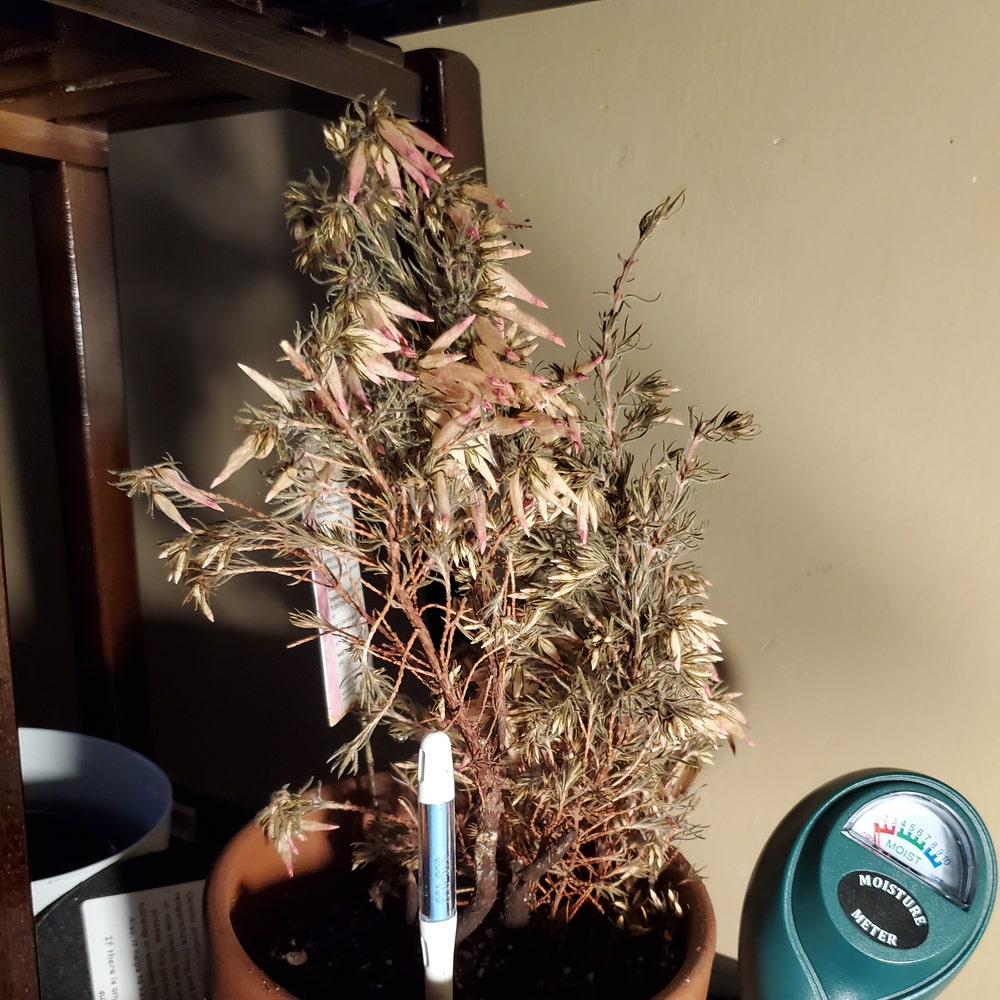
When diagnosing leaf drop, start by observing visual signs. Look for discoloration and specific leaf drop patterns, as these can indicate underlying issues.
Early diagnosis is crucial for effective treatment. The sooner you identify the problem, the better chance your Heath has for recovery.
🌡️ Assessing Environmental Conditions
Next, assess the environmental conditions surrounding your plant. Check the temperature and humidity levels to ensure they fall within the ideal range for Heath.
Maintaining optimal conditions is essential for plant health. A stable environment helps prevent stress that can lead to leaf drop.
💧 Checking Soil Moisture Levels
Soil moisture is another critical factor. Use methods like the finger test or a moisture meter to gauge how wet or dry the soil is.
Heath plants thrive in well-drained soil with consistent moisture. Aim for soil that is moist but not waterlogged to keep your plants happy.
🐛 Inspecting for Pests and Diseases
Finally, inspect your Heath for pests and diseases. Follow a step-by-step inspection process, checking both the leaves and the soil for any signs of infestation.
Identifying signs of fungal infections early can save your plant. Look for dark spots or wilting leaves, as these can indicate a fungal issue that needs addressing.
By systematically diagnosing these areas, you can effectively manage leaf drop and promote a healthier plant. Next, let’s explore how to prevent leaf drop in the first place.
Preventing Leaf Drop
🌊 Best Practices for Watering Heath
Watering is crucial for maintaining healthy Heath plants. Opt for deep watering rather than surface watering to encourage strong root development.
Consistent moisture is key, but be cautious of overwatering. Aim for soil that is moist but not soggy to prevent root rot.
🏞️ Soil Composition and Drainage Tips
The ideal soil mix for Heath is acidic and well-draining. Incorporating organic matter, like compost, can significantly improve soil quality.
Good drainage is essential for preventing leaf drop. Regularly check your soil's texture and amend it as needed to ensure optimal conditions.
📅 Fertilization Schedule for Heath
Using balanced NPK fertilizers can boost your Heath's health. Apply fertilizers in spring and fall to support growth during active seasons.
Timing your fertilization is just as important as the type of fertilizer you choose. This ensures your plants receive nutrients when they need them most.
☀️ Ideal Light Conditions for Heath
Heath plants thrive in full sun to partial shade. Too much direct sunlight can scorch leaves, while too little can stunt growth.
Finding the right balance of light is essential for leaf health. Monitor your plants and adjust their placement as necessary.
🍂 Seasonal Care Adjustments
Adjust your care practices based on the changing seasons. Different weather conditions can affect watering, fertilization, and light exposure.
Regularly monitoring your Heath plants throughout the year will help you catch any issues early. This proactive approach is vital for preventing leaf drop and ensuring vibrant growth.
Treating Leaf Drop
Step-by-Step Guide to Adjusting Watering Habits 🌊
Assess current watering schedule: Take a moment to evaluate how often you’re watering your Heath. This will help you understand if adjustments are needed.
Adjust frequency based on soil moisture readings: Use your finger or a moisture meter to check the soil. If it feels too dry or too wet, modify your watering routine accordingly.
Monitor plant response over 2-4 weeks: Keep an eye on your plant’s health. Look for signs of improvement or further stress, and adjust your approach as needed.
How to Amend Soil for Better Drainage 🏞️
Identify poorly draining areas: Check your garden or pot for spots where water tends to pool. This is crucial for preventing root rot.
Mix in perlite or sand to improve aeration: Incorporate these materials into your soil to enhance drainage. This will help keep your Heath’s roots healthy.
Replant Heath in amended soil if necessary: If the drainage issue is severe, consider replanting your Heath in the improved soil mix. This can make a significant difference in its recovery.
Pest Control Methods 🐛
Organic Options
Neem oil: This natural pesticide is effective against various pests. Apply it every 7-14 days for best results.
Insecticidal soap: Use this to target soft-bodied insects. Spray it directly on affected areas, ensuring thorough coverage.
Chemical Options
Recommended chemical treatments: If organic methods fall short, consider chemical pesticides. Always follow the label instructions for safe application.
Safety precautions: Wear gloves and a mask when applying chemicals. Ensure proper ventilation to protect yourself and your plants.
Treating Fungal Infections 🍄
Using Fungicides
Types of fungicides suitable for Heath: Look for those specifically designed for leaf spot or root rot. These can effectively combat fungal issues.
Application timing and methods: Apply fungicides during dry weather to maximize effectiveness. Follow the manufacturer's instructions for best results.
Home Remedies
Natural treatments: A baking soda solution can help combat fungal infections. Mix one tablespoon of baking soda with water and spray on affected leaves.
Garlic spray: Blend garlic with water and strain it. This potent mix can deter fungal pathogens when sprayed on your plants.
Pruning Techniques to Promote Health ✂️
Identify dead or damaged leaves: Regularly inspect your Heath for any unhealthy foliage. This helps prevent further stress.
Use clean, sharp tools for pruning: Always sanitize your pruning tools before use. This minimizes the risk of spreading diseases.
Timing: best done in early spring or late fall: Prune during these seasons to encourage new growth and maintain plant health.
By following these treatment strategies, you can effectively manage leaf drop and promote a thriving Heath. Next, let’s explore post-drop care to ensure your plants bounce back stronger than ever.
Post-Drop Care
Recovery Strategies for Stressed Heath Plants 🌱
After experiencing leaf drop, it's crucial to monitor both water and nutrient levels closely. This ensures your Heath plants receive the support they need to bounce back.
Adjusting environmental conditions is equally important. Make sure the temperature and humidity are within the ideal ranges to promote recovery.
Monitoring and Adjusting Care After Leaf Drop 🔍
Regular check-ins on soil moisture can help you gauge your plants' needs. Use methods like the finger test or a moisture meter to avoid over or underwatering.
Additionally, keep an eye out for pests during this recovery phase. Early detection can prevent further stress on your plants.
Signs of Recovery and Ongoing Maintenance 🌿
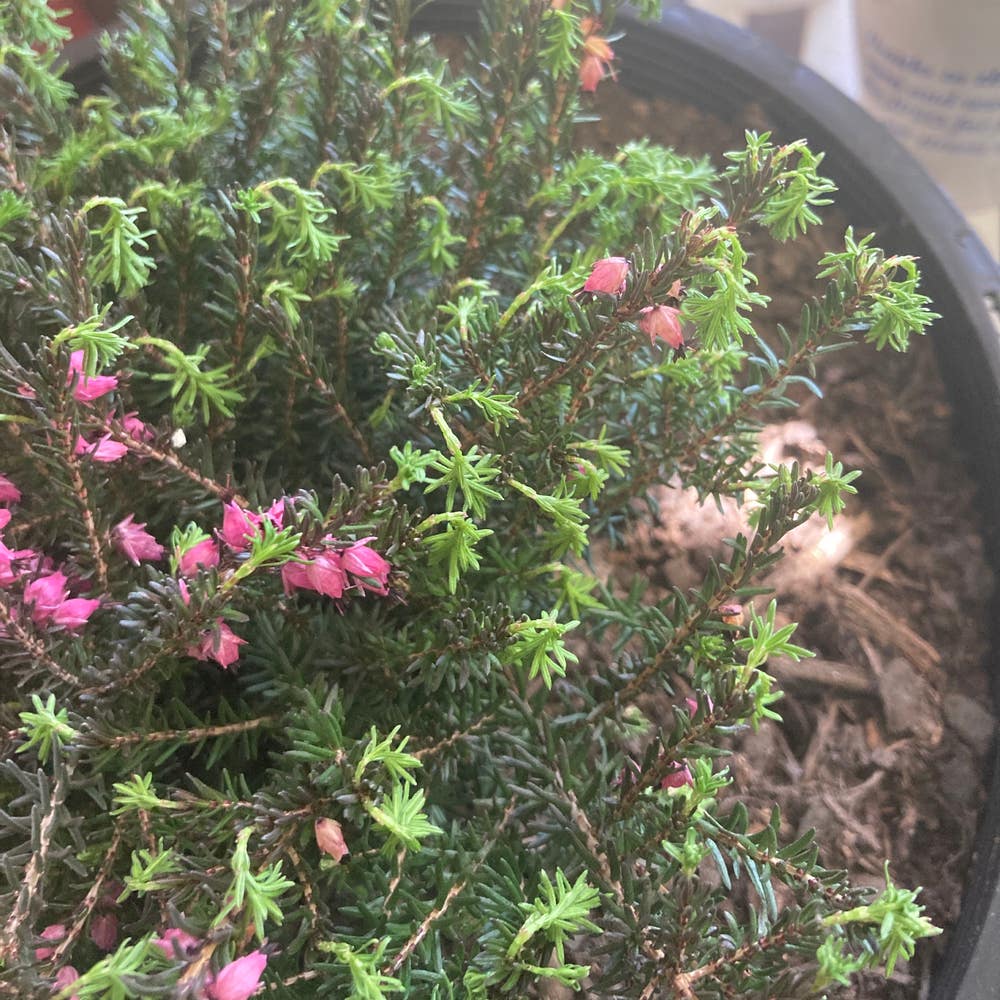
Look for indicators of health restoration, such as new growth and vibrant leaves. These signs mean your Heath is on the mend and responding well to your care.
Long-term care practices are essential to prevent future leaf drop. Consistent monitoring and adjustments will help maintain your plants' health and vitality.
⚠️ Safety First
This content is for general information and may contain errors, omissions, or outdated details. It is not medical, veterinary advice, or an endorsement of therapeutic claims.
Always consult a qualified healthcare professional before using any plant as food, medicine, or supplement.
Never eat any plant (or feed one to pets) without confirming its identity with at least two trusted sources.
If you suspect poisoning, call Poison Control (800) 222-1222, the Pet Poison Helpline (800) 213-6680, or your local emergency service immediately.
Spotted an error? Please report it here.
Keep your Heath plants thriving 🌱 by using Greg's tailored watering reminders and pest alerts to prevent leaf drop and promote vibrant growth!