🌱 Fertilizing Heath to Double Its Growth
Erica spp.
By the Greg Editorial Team
Nov 07, 2024•4 min read
This article was created with the help of AI so we can cover more plants for you. May contain errors. See one? Report it here.
Unlock vibrant blooms 🌸 by mastering the timing and techniques of fertilizing your Heath plants!
- 🌱 Fertilize Heath in early spring and late summer for optimal growth and blooms.
- ⚖️ Use a 5-10-10 N-P-K ratio and adjust based on Heath variety for best results.
- 🚫 Avoid over-fertilization to prevent leaf burn and ensure healthy blooming.
When to Fertilize
Best Seasons 🌱
Timing is everything when it comes to fertilizing Heath. The best seasons to apply fertilizer are early spring, just before new growth begins, and late summer, which helps support fall blooming.
Timing Based on Growth Cycles ⏰
Fertilization should align with the plant's active growth periods. Avoid fertilizing during winter dormancy, as this can stress the plant and hinder its natural cycles.
Indicators for Timing 👀
Watch for signs that indicate it's time to fertilize. The emergence of new growth is a clear signal that your Heath is ready for nutrients, while the formation of flower buds is the perfect moment to boost phosphorus levels for enhanced blooming.
By paying attention to these seasonal cues and growth indicators, you can ensure your Heath thrives and flourishes throughout the year. Next, let’s explore how to effectively fertilize your plants for optimal growth.
How to Fertilize
Types of Fertilizers 🌱
When it comes to fertilizing heath, you have two main options: organic and synthetic fertilizers. Organic choices like compost, well-rotted manure, and fish emulsion enrich the soil naturally, while synthetic fertilizers offer slow-release formulations specifically designed for acid-loving plants.
Application Methods 💧
Applying fertilizer correctly is crucial for your heath's health. Granular fertilizers should be spread evenly around the base of the plant, ensuring even nutrient distribution. For liquid fertilizers, dilute them as instructed and apply directly to the soil or foliage for quick absorption.
Recommended Ratios ⚖️
Choosing the right N-P-K ratio can significantly impact blooming. An ideal ratio for enhancing blooms is 5-10-10, which provides a balanced boost of nutrients. Remember to adjust these ratios based on the specific variety of heath you’re nurturing, as Winter Heath and Summer Heath may have different nutritional needs.
With the right fertilizers and application methods, your heath can thrive and double its growth potential. Next, let’s explore how much fertilizer to use for optimal results.
How Much to Fertilize
🌱 Guidelines for Quantity
When it comes to fertilizing Heath, a general rule of thumb is to use 1-2 tablespoons of granular fertilizer per plant. For liquid fertilizers, a diluted solution at 1/4 strength should be applied every 4-6 weeks to keep your plants thriving.
⚖️ Adjusting Amounts
For young plants, it's crucial to use lower quantities to prevent root burn. As your Heath matures, you can gradually increase the amounts to support its growth.
📅 Frequency Throughout the Year
Start with your initial application in spring to kickstart growth. Then, follow up with a second application in late summer to ensure your plants are ready for blooming.
By following these guidelines, you'll set your Heath up for success, ensuring they flourish beautifully throughout the growing season. Next, let’s explore how to avoid the pitfalls of over-fertilization.
Avoiding Over-Fertilization
Symptoms 🌿
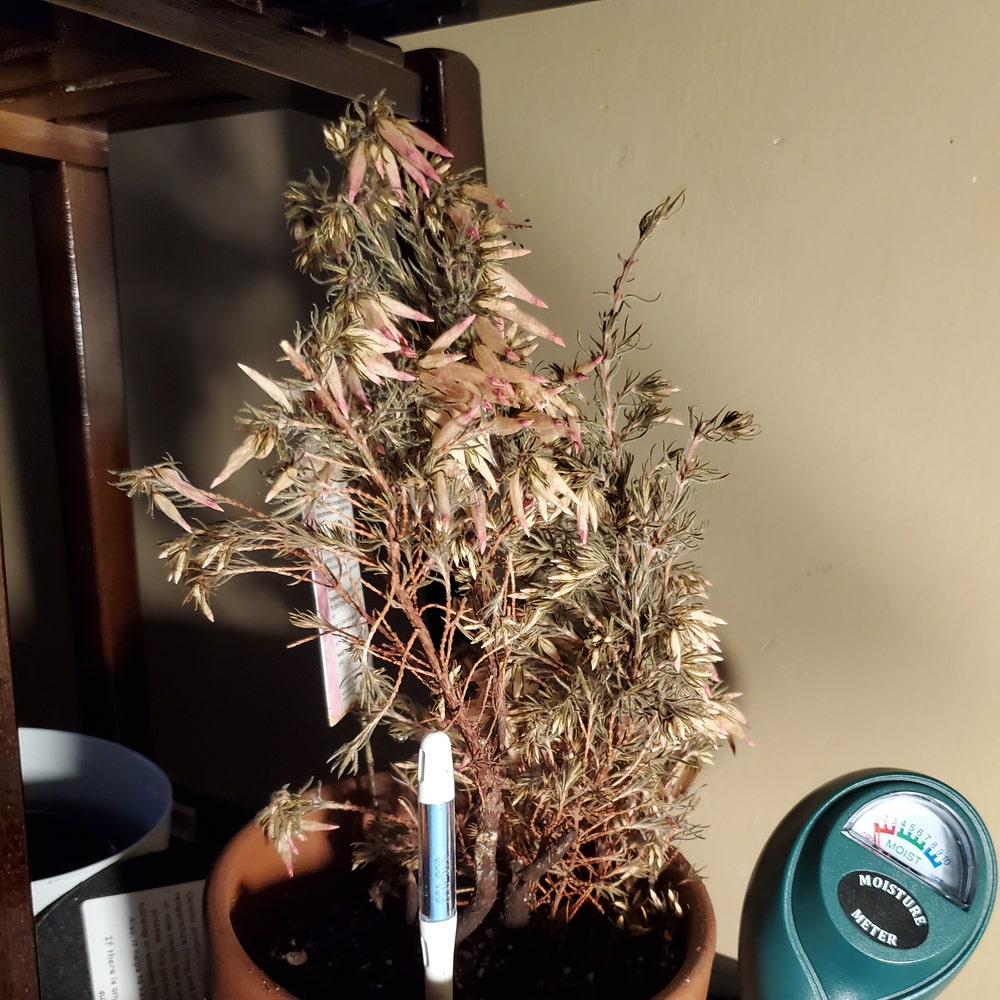
Over-fertilization can lead to noticeable issues in your Heath plants. Common symptoms include leaf burn, characterized by browning tips and edges, and excessive leaf growth, which can ultimately reduce blooming potential.
Recovery Methods 🚑
If you suspect over-fertilization, act quickly. Flush the soil with water to leach out excess nutrients, and consider pruning any damaged foliage to encourage new growth.
Best Practices 📏
To prevent over-fertilization, regular soil testing is essential. This helps you monitor nutrient levels and adjust your fertilization strategy accordingly.
Always follow recommended application rates to avoid guesswork. Remember, a little caution goes a long way in keeping your Heath thriving and blooming beautifully.
With these strategies in place, you can ensure your plants receive the right amount of nutrients without the risk of overdoing it. Next, let’s explore special considerations that can further enhance your Heath’s growth and health.
Special Considerations
🌱 Soil pH Impact
Maintaining the right soil pH is crucial for the health of your Heath plants. The ideal pH range is between 5.0 and 6.0, which allows for optimal nutrient uptake.
Acidic soil is essential for Heath growth, as these plants thrive in environments that mimic their natural habitats. Regularly testing your soil can help you maintain this balance.
🌧️ Environmental Factors
Soil drainage plays a significant role in the overall health of your Heath. Ensure your soil is well-draining to prevent root rot, which can be detrimental to your plants.
Additionally, consider weather conditions when planning your fertilization schedule. Adjust your approach based on rainfall and temperature to ensure your plants receive the right nutrients at the right time.
🧙♂️ Common Myths
One common myth is that more fertilizer leads to better growth. In reality, over-fertilization can harm your plants and reduce blooming potential.
Understanding the right amount of fertilizer to use is key. Stick to recommended application rates to avoid guesswork and keep your Heath thriving.
With these considerations in mind, you can create an optimal environment for your Heath plants, ensuring they flourish beautifully. Next, let’s explore how to avoid over-fertilization and its potential pitfalls.
⚠️ Safety First
This content is for general information and may contain errors, omissions, or outdated details. It is not medical, veterinary advice, or an endorsement of therapeutic claims.
Always consult a qualified healthcare professional before using any plant as food, medicine, or supplement.
Never eat any plant (or feed one to pets) without confirming its identity with at least two trusted sources.
If you suspect poisoning, call Poison Control (800) 222-1222, the Pet Poison Helpline (800) 213-6680, or your local emergency service immediately.
Spotted an error? Please report it here.
Boost your Heath's growth and blooms with smart fertilization timing 🌱—let Greg guide you with personalized reminders and soil testing tips for thriving plants!