4 Tips for How to Plant Your Heath ⛏️
Erica spp.
By the Greg Editorial Team
Nov 07, 2024•4 min read
This article was created with the help of AI so we can cover more plants for you. May contain errors. See one? Report it here.
Cultivate a vibrant garden with thriving heath 🌿 by mastering essential planting and care techniques!
- 🌱 Plant heath in early spring or fall for optimal growth and establishment.
- 🌡️ Ensure soil temperature is above 10°C (50°F) before planting for best results.
- 🌞 Heath thrives in full sun to partial shade, needing about six hours of sunlight daily.
Planting New Heath
🌱 Optimal Timing for Planting
Timing is crucial when planting heath. The best seasons are early spring or fall, as these periods offer cooler temperatures that promote healthy growth.
Before planting, check the soil temperature; it should be above 10°C (50°F) for optimal results. This ensures that the plants can establish themselves effectively in their new environment.
🪴 Selecting the Right Soil Mix and Containers
Heath thrives in specific soil conditions. Aim for an acidic pH between 4.5 and 6.0, and use a well-draining soil mix, such as a peat-based blend with perlite.
If you're considering container gardening, choose pots that are 12-16 inches in diameter. Ensure that your containers have drainage holes to prevent waterlogging, which can harm the roots.
📏 Proper Depth and Spacing for Planting
When planting, the crown of the heath should be level with the soil surface. This positioning helps the plant establish itself without stress.
For optimal air circulation, space your plants 12-18 inches apart. Keep in mind the mature size of common varieties to avoid overcrowding.
☀️ Maintaining Ideal Growing Conditions for Newly Planted Heath
Newly planted heath requires consistent moisture, but be careful not to overwater. Aim for a balance that keeps the soil moist without waterlogging.
Heath prefers full sun to partial shade, ideally receiving around six hours of sunlight each day. Additionally, applying an acidic mulch, like pine needles, can help retain moisture and suppress weeds.
🌳 Hardening Off Process for Heath
Before moving your heath outdoors, it's essential to harden them off. This process should last 7-10 days, gradually acclimating the plants to their new environment.
Start by exposing them to outdoor conditions for 1-2 hours daily, increasing the time gradually. During this period, protect your plants from strong winds and direct sunlight to minimize stress.
With these tips, you’ll set your heath up for success, ensuring they thrive in their new home. Next, let’s explore how to transplant established heath effectively.
Transplanting Established Heath
🌱 Optimal Timing for Transplanting
Transplanting your heath is best done in early spring or late summer. Avoid the flowering period to minimize stress on the plant.
🛠️ Step-by-Step Instructions for Transplanting Heath
Removing the Plant from Its Current Location
- Water the plant thoroughly a day before you plan to transplant.
- Use a spade to dig around the root zone, ensuring you maintain a solid root ball.
- Carefully lift the plant, taking care to minimize any disturbance to the roots.
Preparing the New Planting Site
- Select a location that receives full sun to partial shade.
- If needed, amend the soil with acidic organic matter to enhance its quality.
- Dig a hole that is twice the width of the root ball and the same depth.
Ensuring Proper Placement and Spacing
- Position the plant in the center of the hole for balanced growth.
- Backfill with soil, making sure to eliminate any air pockets.
- Space your plants 12-18 inches apart to promote good airflow.
💧 Tips for Watering, Mulching, and Providing Support
After transplanting, water deeply to help establish the roots, then maintain consistent moisture.
Apply a layer of acidic mulch to retain moisture and regulate temperature effectively.
If you have taller varieties, consider using stakes for support to prevent wind damage.
With these steps, your heath will thrive in its new home, setting the stage for vibrant growth. Next, let’s explore how to troubleshoot common issues that may arise during the establishment phase.
Troubleshooting Common Issues
🌱 Transplant Shock
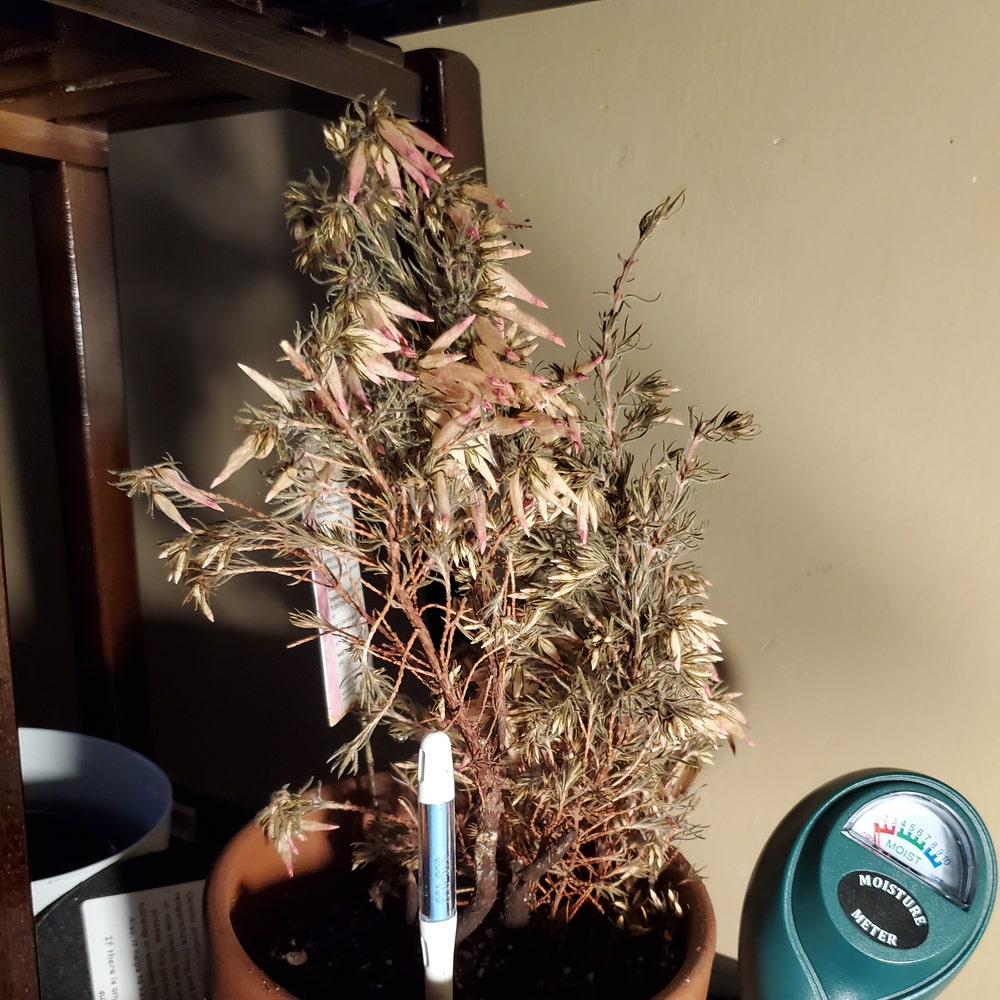
Transplant shock can be a real bummer for your newly planted heath. Look out for symptoms like wilting, yellowing leaves, and stunted growth, which indicate your plant is struggling.
To prevent this issue, ensure proper watering and care during the transition. A little extra attention can go a long way in helping your heath adjust to its new home.
🏡 Establishment Problems
If you notice poor growth or leaf drop after planting, your heath may be facing establishment problems. These signs suggest that the plant is not settling in as it should.
To remedy this, adjust your watering schedule, check the soil pH, and ensure your plant is getting adequate sunlight. A few tweaks can help your heath thrive.
🚿 Common Heath Care Issues
Overwatering is a common pitfall for many gardeners. If you see yellowing leaves or signs of root rot, it’s time to reassess your watering habits.
Additionally, keep an eye on soil pH. Using soil testing kits can help you monitor and adjust as needed.
Pest management is also crucial. Regular inspections for pests like aphids and spider mites can save your plant from damage. If you spot any, consider using organic insecticides to keep your heath healthy.
By staying vigilant and proactive, you can tackle these common issues and ensure your heath flourishes in its new environment. Next, let’s explore how to maintain ideal growing conditions for your newly planted heath.
⚠️ Safety First
This content is for general information and may contain errors, omissions, or outdated details. It is not medical, veterinary advice, or an endorsement of therapeutic claims.
Always consult a qualified healthcare professional before using any plant as food, medicine, or supplement.
Never eat any plant (or feed one to pets) without confirming its identity with at least two trusted sources.
If you suspect poisoning, call Poison Control (800) 222-1222, the Pet Poison Helpline (800) 213-6680, or your local emergency service immediately.
Spotted an error? Please report it here.
Plant your heath with confidence 🌱 by using Greg's tailored watering reminders and soil pH tips to ensure your plants thrive in their new home!