🌞 Actions to Take When Heath Leaves Turn Yellow
Erica spp.
By the Greg Editorial Team
Oct 04, 2024•5 min read
This article was created with the help of AI so we can cover more plants for you. May contain errors. See one? Report it here.
Revive your plants and banish yellowing leaves 🌿 with these essential tips for vibrant growth!
- 🌱 Yellow leaves often signal nutrient deficiencies, especially nitrogen, iron, and magnesium.
- 💧 Overwatering and underwatering both cause yellowing; maintain consistent soil moisture.
- 🐛 Pests and diseases can lead to yellowing; regular inspections are essential for prevention.
Causes of Yellowing Leaves
🌱 Nutrient Deficiencies
Yellowing leaves can often signal nutrient deficiencies in your plants. The most common culprits are nitrogen, iron, and magnesium.
- Nitrogen deficiency typically manifests as a general yellowing of older leaves.
- Iron deficiency leads to yellowing between leaf veins, known as interveinal chlorosis.
- Magnesium deficiency shows up as yellowing of older leaves while the veins remain green.
Balanced fertilization is crucial for maintaining plant health and preventing these deficiencies.
💧 Watering Issues
Overwatering
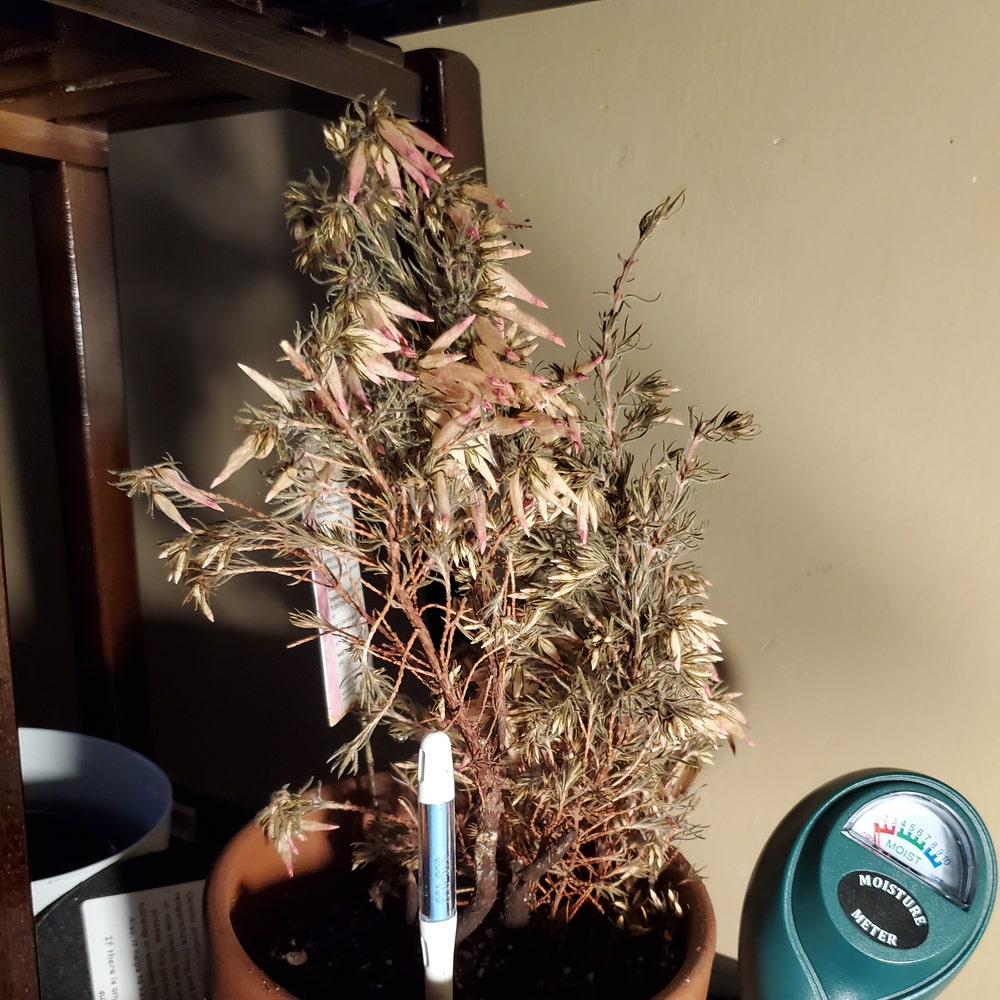
Overwatering is a common mistake that can lead to yellowing leaves. Signs include yellowing leaves, wilting, and root rot.
Poor drainage and excessive rainfall are often the main causes. This can suffocate roots and hinder nutrient uptake, leading to further health issues.
Underwatering
On the flip side, underwatering can also cause distress. Look for dry, crispy leaves and stunted growth as key indicators.
Infrequent watering and high temperatures can exacerbate the problem. Consistent soil moisture is essential for vibrant, healthy plants.
🐛 Pest Infestations
Pests can wreak havoc on your plants, causing yellowing leaves and other symptoms.
- Aphids leave behind sticky residue and can curl leaves.
- Spider mites create fine webbing and cause stippled leaves.
These pests not only affect leaf color but also compromise overall plant health.
🦠 Fungal and Bacterial Diseases
Fungal and bacterial diseases can also lead to yellowing leaves.
- Root rot is often caused by overwatering and poor drainage.
- Leaf spot presents as yellowing leaves with dark spots.
Early detection and treatment are vital to prevent further damage and restore plant vitality.
Understanding these causes can help you take proactive steps to keep your plants healthy and vibrant. Next, we’ll explore how to diagnose yellow leaves effectively.
Diagnosing Yellow Leaves
Identifying Symptoms 🌼
Start with a visual inspection of your plants. Look for patterns in the yellowing—are older leaves turning yellow first, or is it the newer growth?
Next, assess the leaf texture. Soft, mushy leaves often signal overwatering, while dry, brittle leaves indicate underwatering.
Assessing Soil Conditions 🌱
Check the soil moisture to get a clear picture of your plant's hydration. You can use a moisture meter or simply stick your finger into the soil to gauge its dampness.
Soil pH testing is also crucial. A pH meter or test kit can help you determine if your soil is too acidic or alkaline for your plants.
Checking for Pests 🐛
Conduct a thorough visual inspection for pests on both leaves and stems. Look for any unusual signs, such as sticky residue or webbing.
Using sticky traps can help monitor pest populations effectively. They catch flying pests and give you a clearer idea of any infestations.
Evaluating Watering Practices 💧
Review your watering schedule to ensure consistency. Adjust your routine based on weather conditions—plants need more water during hot spells.
Lastly, check for adequate drainage. Poor drainage can lead to waterlogging, which is detrimental to plant health.
By diagnosing these factors, you can take informed steps to restore your plants to their vibrant selves. Next, let’s explore effective solutions for yellow leaves.
Solutions for Yellow Leaves
🌊 Adjusting Watering Schedule
To combat yellowing leaves, adjust your watering schedule to once a week. This frequency should be flexible, depending on rainfall and temperature.
Signs of proper watering include soil that feels moist but not soggy. Overwatering can lead to root issues, while underwatering can stress your plants.
🌱 Fertilizing Properly
Using a balanced, slow-release fertilizer with micronutrients is key for healthy plants. Apply it in early spring and mid-summer for optimal results.
Always follow the dosage instructions on the package, adjusting based on your plant's size and age. This ensures your plants receive the nutrients they need without overdoing it.
🌧️ Improving Soil Drainage
Good drainage is essential for plant health. Consider adding organic matter, like compost, to improve soil structure.
Using raised beds or pots with drainage holes can also help prevent waterlogging. Well-drained soil promotes healthy root growth and nutrient uptake.
🐛 Treating Pests and Diseases
For pest control, insecticidal soap works well against aphids and spider mites. Neem oil is another effective option for broader pest issues.
When dealing with diseases, remove affected leaves promptly and improve air circulation around your plants. Fungicides can be used for fungal infections if necessary.
By implementing these solutions, you can restore your plants' health and vitality. Next, let’s explore some preventative measures to keep your plants thriving year-round.
Preventative Measures
Best Practices for Watering 🌊
Watering deeply but infrequently is key to encouraging robust root growth. This method helps plants access moisture deeper in the soil, making them more resilient.
Using mulch can significantly aid in retaining soil moisture. It acts as a protective layer, reducing evaporation and keeping the roots cool.
Soil Testing and Amendments 🧪
Regular soil testing every 1-2 years is essential for monitoring pH and nutrient levels. This proactive approach helps you understand what your plants need to thrive.
If your soil's pH is too high, adding sulfur can help lower it. This adjustment creates a more favorable environment for nutrient uptake.
Regular Pest Monitoring 🐛
Schedule monthly inspections to catch pests and diseases early. This routine check can save your plants from significant damage.
Utilizing traps and barriers is an effective way to prevent infestations. These tools act as your first line of defense against unwanted pests.
Seasonal Care Tips 🌦️
Adjusting your care practices based on seasonal changes is crucial. Different times of the year require different watering and fertilization strategies.
Being adaptable ensures your plants receive the right care throughout the year. This flexibility can lead to healthier, more vibrant foliage.
By implementing these preventative measures, you can maintain the health of your plants and prevent yellowing leaves. Next, let’s explore solutions for addressing yellow leaves when they do appear.
⚠️ Safety First
This content is for general information and may contain errors, omissions, or outdated details. It is not medical, veterinary advice, or an endorsement of therapeutic claims.
Always consult a qualified healthcare professional before using any plant as food, medicine, or supplement.
Never eat any plant (or feed one to pets) without confirming its identity with at least two trusted sources.
If you suspect poisoning, call Poison Control (800) 222-1222, the Pet Poison Helpline (800) 213-6680, or your local emergency service immediately.
Spotted an error? Please report it here.
Combat yellowing leaves and grow vibrant heath plants 🌿 with Greg's tailored care tips and reminders for optimal watering, nutrients, and pest control!