Ultimate Guide to Fixing Droopy Leaves on Heath 🍃
Erica spp.
By the Greg Editorial Team
Oct 04, 2024•6 min read
This article was created with the help of AI so we can cover more plants for you. May contain errors. See one? Report it here.
Transform droopy Heath leaves 🌱 into vibrant greenery with essential tips on watering, soil, and pest control!
- 💧🌱 Droopy leaves indicate overwatering or underwatering; check soil moisture for diagnosis.
- 🌿 Soil quality and drainage are crucial; improve with well-draining mixes to prevent root rot.
- 🐛 Pest infestations and environmental stress can damage leaves; monitor and adjust conditions regularly.
Causes of Droopy Leaves
💧 Overwatering vs. Underwatering
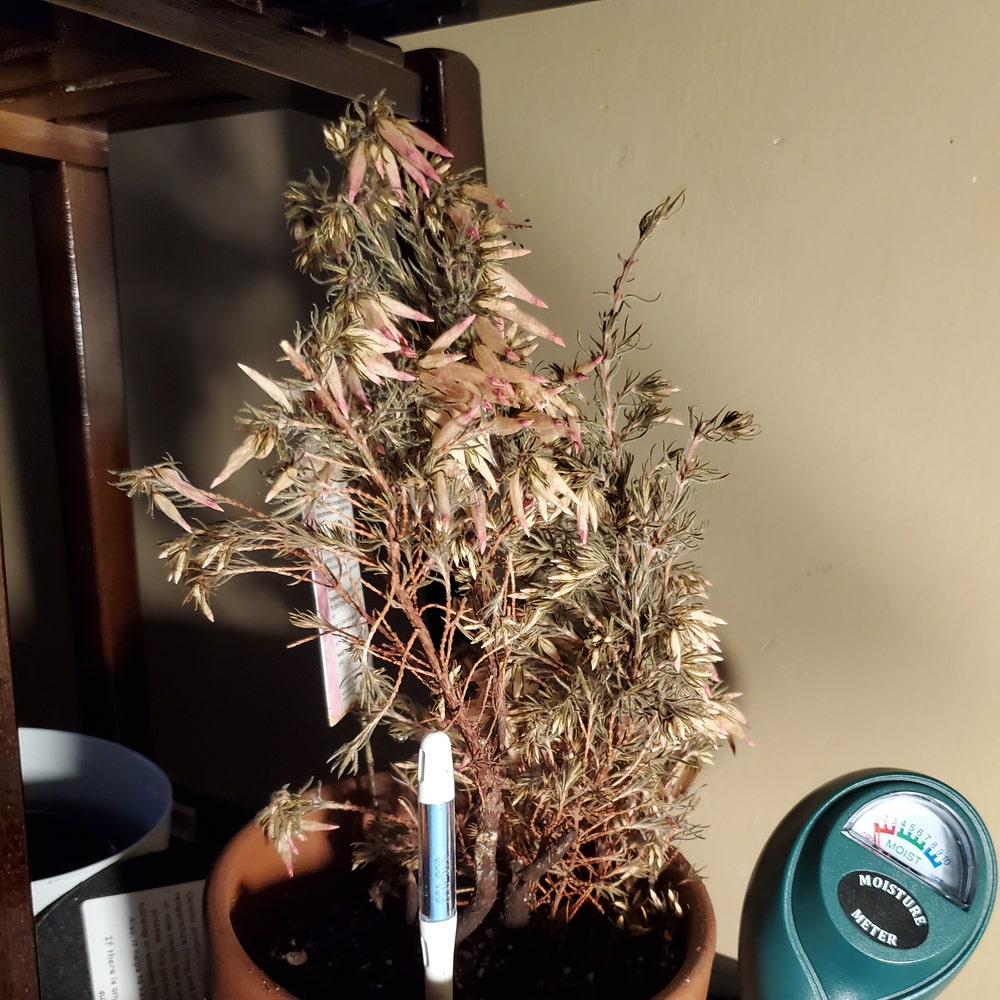
Droopy leaves can often signal a watering issue. Overwatering typically shows up as yellowing leaves and soggy soil, while underwatering manifests as dry, crispy leaves and soil that pulls away from the pot edges.
🏞️ Soil Quality and Drainage Issues
Soil quality plays a crucial role in the health of your Heath. Well-draining soil is essential; poor drainage can lead to symptoms like water pooling on the surface and root rot, which can be detrimental to your plant's health.
🥦 Nutrient Deficiencies
Nutrient deficiencies can also cause droopy leaves. Common culprits include nitrogen, which leads to yellowing leaves and stunted growth, and iron, resulting in chlorosis, where the leaves turn yellow between the veins.
🐜 Pest Infestations
Pests can wreak havoc on your Heath, leading to droopy leaves. Aphids often leave a sticky residue and cause curled leaves, while spider mites create fine webbing and stippled leaves, indicating a serious infestation.
🌡️ Environmental Stress Factors
Environmental conditions significantly affect your plant's well-being. Heath thrives in a specific temperature range, and low humidity can exacerbate leaf droop. Additionally, ensuring adequate sunlight exposure is vital for maintaining healthy leaves.
Understanding these causes is the first step in addressing droopy leaves on your Heath. Next, we’ll explore how to diagnose the problem effectively.
Diagnosing the Problem
💧 Overwatering vs. Underwatering
Diagnosing whether your Heath is suffering from overwatering or underwatering is crucial. Start with a simple finger test: insert your finger into the soil to check moisture levels.
Next, assess the drainage holes at the bottom of the pot. Blockages here can lead to waterlogged roots. Finally, observe the leaf texture and color; droopy leaves can indicate either issue.
🏺 Soil Quality and Drainage Issues
Soil quality plays a significant role in plant health. To test drainage, pour water into the pot and observe how quickly it absorbs.
If the water pools on the surface, your soil may be compacted. Signs of compacted soil include a hard, crusty surface and poor water retention.
🥦 Nutrient Deficiencies
Nutrient deficiencies can also lead to droopy leaves. Conduct a soil test to check nutrient levels, focusing on nitrogen and iron.
Look for symptoms like yellowing leaves or stunted growth, which can indicate a lack of essential nutrients.
🐛 Pest Infestations
Pests can wreak havoc on your Heath. Inspect leaves and stems closely for any signs of infestation.
Using a magnifying glass can help you spot tiny pests that might otherwise go unnoticed. Look for sticky residue or webbing, which can indicate aphids or spider mites.
🌡️ Environmental Stress Factors
Environmental conditions significantly impact plant health. Monitor temperature and humidity levels regularly to ensure they are within the ideal range for Heath.
Adjusting light exposure based on the season is also essential. Too much or too little light can lead to droopy leaves, so find that sweet spot for your plant.
With these diagnostic steps, you can pinpoint the issue affecting your Heath. Next, let’s explore effective solutions to revive those droopy leaves.
Solutions for Droopy Leaves
🌊 Adjusting Watering Practices
To revive your Heath, start with the right watering frequency. Typically, watering once a week is ideal, but always check the soil first.
Use the finger test: insert your finger about an inch into the soil. If it feels dry, it’s time to water; if it’s still moist, hold off.
🌱 Improving Soil Conditions
Soil quality is crucial for your Heath's health. Opt for well-draining soil types, such as a mix of peat, pine bark, and perlite.
If your soil is compacted, amend it by mixing in organic matter like compost. This enhances aeration and drainage, promoting healthier roots.
🌼 Fertilization Tips for Heath
Fertilization can give your Heath a much-needed boost. Look for balanced fertilizers, such as a 10-10-10 NPK mix, to provide essential nutrients.
A good fertilization schedule is every 4-6 weeks during the growing season. Always follow the package instructions for the best results.
🐞 Pest Control Methods
Pests can wreak havoc on your Heath, but you have options. For organic control, consider using neem oil or insecticidal soap, which are effective against common pests.
If you opt for chemical solutions, ensure you apply them according to the label instructions. This will help minimize harm to your plant and the environment.
🌤️ Environmental Adjustments
Creating the right environment is key to your Heath's recovery. Adjust light exposure to ensure your plant receives bright, indirect sunlight for optimal growth.
Temperature control is also vital. Keep your Heath in a range of 60-75°F, and if indoors, avoid placing it near drafts or heat sources.
Lastly, increasing humidity can significantly improve leaf health. Consider using a humidifier or placing a tray of water near your plant to boost moisture levels.
With these solutions, your Heath can bounce back from droopy leaves and thrive once again. Next, let’s explore preventative measures to keep your plant healthy long-term.
Preventative Measures
Regular Maintenance Tips 🌱
Routine inspections are crucial for early detection of issues with your Heath. Regularly checking for signs of droopiness or discoloration can save your plant from more serious problems down the line.
Pruning is another essential practice. It not only helps to promote air circulation but also encourages healthy growth by removing dead or damaged leaves.
Seasonal Care Guidelines 🌦️
Adjusting your care practices with the changing seasons is vital for your Heath's health. In winter, protecting your plant from frost is key; consider moving it indoors or covering it during cold snaps.
During the summer, managing heat stress becomes a priority. Ensure your Heath is adequately watered and shielded from the harsh afternoon sun to prevent leaf droop.
Best Practices for Planting and Repotting 🪴
Choosing the right pot size and type can significantly impact your Heath's growth. A pot that’s too small can restrict root development, while one that’s too large may retain excess moisture.
Timing for repotting is also essential. Look for signs like roots growing out of the drainage holes or stunted growth, indicating that it’s time to give your Heath a new home.
By implementing these preventative measures, you can maintain a vibrant and healthy Heath, ready to thrive in any environment. Next, we’ll explore how to monitor your plant's health effectively.
Monitoring Plant Health
Signs of Recovery 🌱
When your Heath starts to bounce back, you'll notice some encouraging signs. Look for new growth and improved leaf texture, which indicate that your plant is regaining its vitality.
When to Seek Professional Help 🆘
Sometimes, despite your best efforts, the situation may require expert intervention. If you see persistent issues like severe leaf droop or discoloration, it might be time to consult a professional.
Long-term Care Strategies 🛠️
To ensure your Heath remains healthy over time, develop a consistent care routine. Regularly monitor watering and fertilization schedules, and keep a record of what works best for your plant.
By staying attentive and proactive, you can help your Heath thrive and prevent future issues. This ongoing commitment will not only enhance your plant's health but also deepen your connection to it.
⚠️ Safety First
This content is for general information and may contain errors, omissions, or outdated details. It is not medical, veterinary advice, or an endorsement of therapeutic claims.
Always consult a qualified healthcare professional before using any plant as food, medicine, or supplement.
Never eat any plant (or feed one to pets) without confirming its identity with at least two trusted sources.
If you suspect poisoning, call Poison Control (800) 222-1222, the Pet Poison Helpline (800) 213-6680, or your local emergency service immediately.
Spotted an error? Please report it here.
Revive your droopy Heath leaves and thrive together 🌿 with Greg's personalized care reminders and expert tips that ensure your plant gets the attention it needs!