❄️ Top 8 Signs Your Heath is Stressed in Winter
Erica spp.
By the Greg Editorial Team
Nov 07, 2024•5 min read
This article was created with the help of AI so we can cover more plants for you. May contain errors. See one? Report it here.
Ensure your heath survives winter stress with these vital care tips for thriving growth! 🌱❄️
- 🌿 Leaf discoloration and wilting indicate winter stress in heath plants.
- ❄️ Frost burn and stunted growth are key signs of compromised health during winter.
- 🌱 Proper care like mulching and adjusted watering helps protect heath plants from winter stress.
Signs of Stress in Heath
Identifying Signs of Winter Stress 🌨️
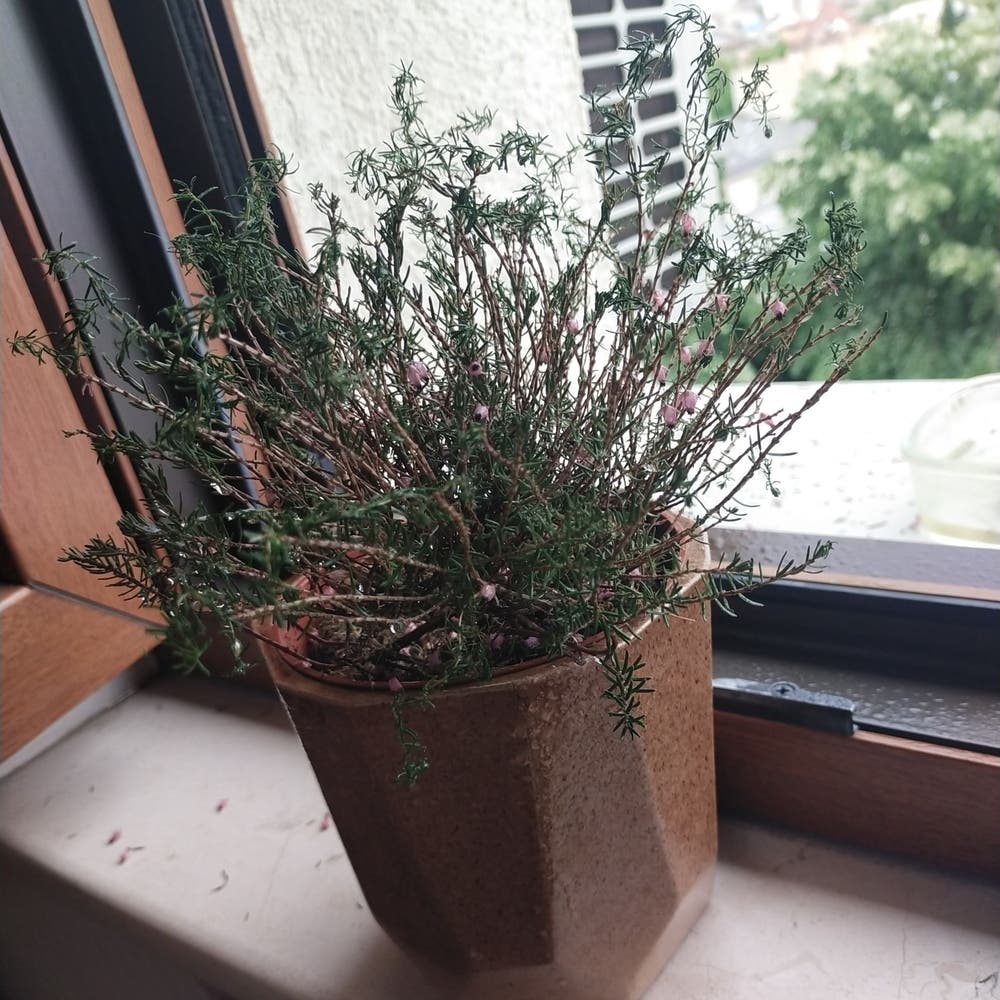
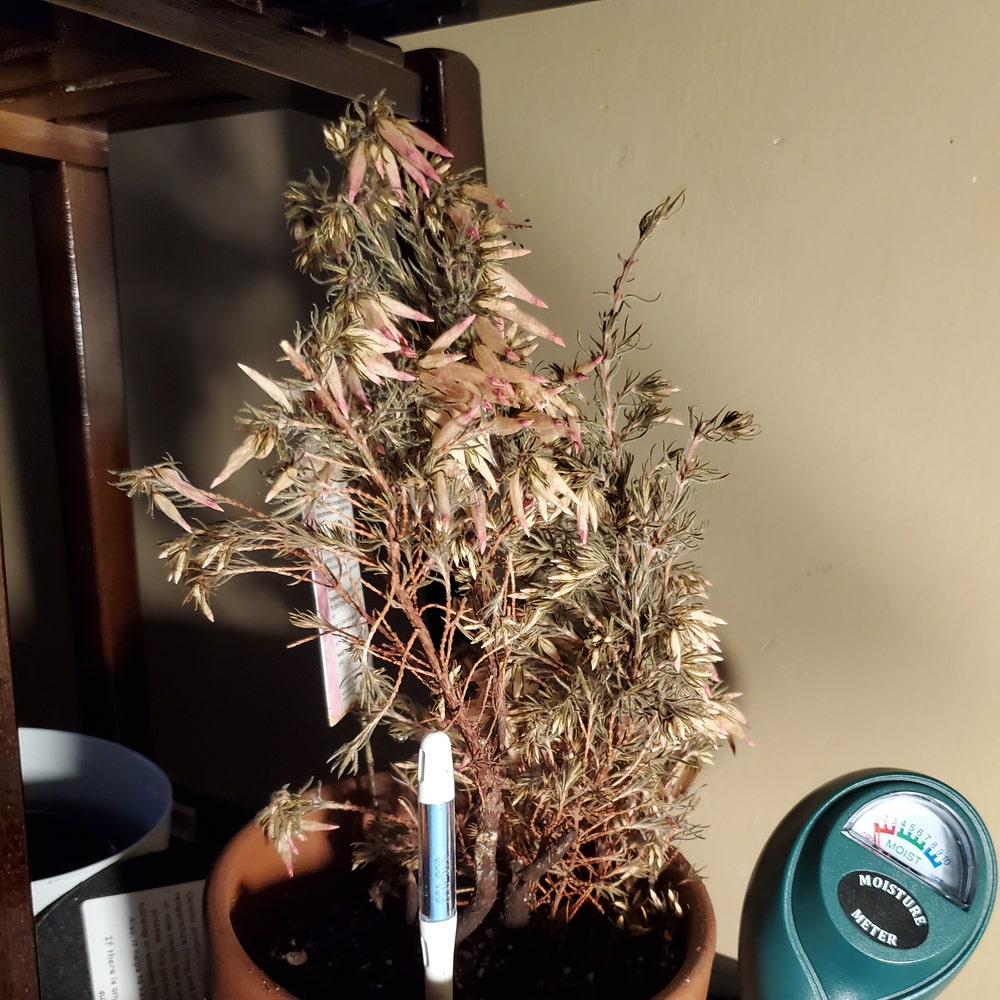
When winter arrives, your heath plants can show signs of stress that are hard to miss. Leaf discoloration is a primary indicator; look for yellowing or browning leaves, which often signal distress.
Additionally, wilting or drooping foliage can indicate dehydration or frost damage. Another key sign is stunted growth; if you notice a lack of new growth during the colder months, your plants may be struggling. Pay attention to any shrinking or shriveling of leaf tips, as these can also point to winter stress.
Common Symptoms of Frost Damage ❄️
Frost can wreak havoc on your heath plants, leading to noticeable symptoms. Frost burn is a common issue, characterized by brown, crispy edges on leaves caused by freezing temperatures. In severe cases, you may even see leaf drop as a response to extreme frost exposure.
Overall plant vigor is another area to assess. A weak, spindly appearance can indicate compromised health, making your plants more susceptible to pests and diseases after frost. Keeping an eye on these signs can help you take action before the damage becomes irreversible.
Understanding these stress indicators is crucial for maintaining the health of your heath plants throughout winter. Next, let’s explore effective winter care techniques to protect your plants from these challenges.
Winter Care Techniques
❄️ Frost Protection Methods for Heath
Protecting your heath plants from frost is essential for their survival during winter. One effective method is mulching; apply a 2-3 inch layer of organic mulch around the base to insulate the roots.
Using materials like pine needles or bark can help maintain soil temperature. Additionally, consider covering plants with frost cloths or burlap to shield them from extreme cold. Just remember to remove these covers on warmer days to prevent overheating.
💧 Adjusting Watering Schedules for Winter
Winter brings a shift in watering needs for your heath. It's crucial to reduce watering to prevent waterlogging; always check soil moisture before adding more water.
Aim for a winter watering schedule of every 2-4 weeks, depending on rainfall. Be on the lookout for signs of overwatering, such as yellowing leaves and mushy roots, which indicate excess moisture.
🌱 Fertilizing Heath During Dormancy
When it comes to fertilizing, timing is everything. Avoid fertilizing during dormancy; instead, wait until early spring when your plants are ready to grow again.
Use a balanced, slow-release fertilizer to support recovery in spring. This approach ensures your heath gets the nutrients it needs without the stress of winter conditions.
With these winter care techniques, your heath can thrive despite the cold. Next, we’ll explore how to provide the best indoor care for your heath during the winter months.
Indoor Care for Heath
🌿 Best Practices for Indoor Heath Care in Winter
Caring for your Heath indoors during winter requires attention to detail. Start with container selection: ensure your pots have drainage holes to prevent water accumulation, which can lead to root rot.
Opt for an acidic potting mix that suits Heath plants, as they thrive in such conditions. This will help maintain the right pH level for optimal growth.
Humidity is another critical factor. Aim to maintain humidity levels around 40-60% to prevent leaf drop. You can achieve this by using a humidifier or placing a tray of water near your plants.
💡 Light and Temperature Requirements for Indoor Heath
When it comes to light exposure, provide bright, indirect light for your Heath. Direct sunlight can scorch the leaves, so be mindful of their placement.
For temperature preferences, keep the indoor environment between 60°F to 70°F (15°C to 21°C). Avoid placing your Heath near heating vents or drafty windows, as fluctuations can stress the plant.
By following these indoor care tips, you can ensure your Heath remains healthy and vibrant throughout the winter months. This sets the stage for a successful transition into spring, where your plants can thrive even more.
Spring Preparation and Recovery
🌨️ Assessing Winter Damage in Heath
As winter fades, it's crucial to assess any damage your heath may have sustained. Start with a visual inspection to identify dead or damaged branches and leaves.
Look closely for signs of root rot or other issues that may have developed due to harsh winter conditions. Addressing these problems early can set the stage for a healthy spring.
✂️ Pruning
Once you've identified the damaged areas, it's time to prune. Remove any dead or damaged growth to encourage new, vibrant growth.
Pruning not only revitalizes your plant but also improves airflow, reducing the risk of disease.
🌱 Steps for Recovery and Rejuvenation in Spring
💧 Watering Adjustments
As temperatures rise, gradually increase your watering frequency. This helps your heath transition from dormancy to active growth.
Monitor soil moisture closely to prevent overwatering, which can lead to root issues. A careful approach will support your plant's recovery.
🌿 Fertilization
Fertilization is key to promoting new growth and flowering. Apply a balanced fertilizer to give your heath the nutrients it needs to thrive.
Timing your fertilization correctly will ensure your plant is ready to burst into life as spring progresses.
🌼 Preparing Heath for the Growing Season
🪴 Soil Amendment
To prepare for the growing season, consider amending your soil. Incorporate organic matter to enhance soil structure and acidity, creating a more hospitable environment for your heath.
Healthy soil is the foundation for robust growth.
🐛 Pest Management
Finally, don't overlook pest management. Inspect your plants for any signs of pests or diseases that may have taken hold during winter.
Implement preventive measures as needed to keep your heath healthy and vibrant throughout the growing season.
With these steps, your heath will be well-prepared to flourish as spring unfolds. Transitioning into the growing season with care will ensure your plants thrive, setting the stage for a beautiful garden.
⚠️ Safety First
This content is for general information and may contain errors, omissions, or outdated details. It is not medical, veterinary advice, or an endorsement of therapeutic claims.
Always consult a qualified healthcare professional before using any plant as food, medicine, or supplement.
Never eat any plant (or feed one to pets) without confirming its identity with at least two trusted sources.
If you suspect poisoning, call Poison Control (800) 222-1222, the Pet Poison Helpline (800) 213-6680, or your local emergency service immediately.
Spotted an error? Please report it here.
Recognizing the signs of winter stress in your heath plants is essential for their health, and with Greg's custom watering reminders 🌱 and tailored care tips, you can keep them thriving all season long!