🌼 Step-by-Step Guide to Understanding Heath Lifecycle
Erica spp.
By the Greg Editorial Team
Oct 04, 2024•7 min read
This article was created with the help of AI so we can cover more plants for you. May contain errors. See one? Report it here.
Master the growth stages of Heath plants 🌱 to cultivate a vibrant garden that flourishes with life!
- 🌱 Heath seeds thrive in tough conditions, with dormancy aiding survival until favorable times.
- 🌞 Germination needs 15°C to 20°C and consistent moisture; avoid waterlogging for success.
- 🌼 Flowering occurs from late winter to summer, crucial for pollination and seed production.
Seed and Germination Stage
🌱 Description of Seed Characteristics
Heath seeds come in various sizes and shapes, often small and oval. Their seed coats are tough, allowing for dormancy, which helps them survive unfavorable conditions.
Variability among species is notable; some seeds are smooth while others have rough textures. This diversity plays a crucial role in their adaptability to different environments.
🌿 Germination Process and Conditions
For successful germination, Heath seeds thrive in temperatures between 15°C to 20°C (59°F to 68°F). Consistent moisture is essential, but be cautious—waterlogging can hinder growth.
Light conditions also matter; certain species require light to kickstart the germination process. Ensuring the right balance of these factors is key to nurturing healthy seedlings.
⏳ Duration of Germination Stage
Typically, germination takes about 2 to 4 weeks. However, various factors can affect this timeline, including soil type, temperature, and moisture levels.
Understanding these elements can help you optimize the germination stage, setting the foundation for robust Heath plants. As we move forward, let’s explore the Seedling Stage and what it entails for these young plants.
Seedling Stage
🌱 Characteristics of Heath Seedlings
Heath seedlings are small and delicate, showcasing tender leaves and slender stems. Their appearance is a testament to their early growth, hinting at the resilience they will develop.
Root systems during this stage are shallow, allowing them to absorb moisture and nutrients from the surface layer of the soil. This characteristic is crucial for their survival as they establish themselves in their environment.
🌍 Environmental Needs During the Seedling Stage
For optimal growth, heath seedlings thrive in acidic, nutrient-poor soils. These conditions mimic their natural habitats, providing the right balance for their development.
Light exposure is another critical factor; they prefer partial to full sun. This ensures they receive enough energy for photosynthesis, promoting healthy growth.
Watering needs are essential as well. Regular moisture is necessary, but care must be taken to avoid saturation, which can lead to root rot.
⏳ Duration of the Seedling Stage
Typically, the seedling stage lasts between 4 to 8 weeks. During this time, seedlings undergo significant changes as they prepare for the next phase of their lifecycle.
Indicators of readiness for the next stage include robust leaf growth and well-established roots. These signs indicate that the seedlings are ready to transition into the vegetative growth stage, setting the stage for their future development.
As we move forward, understanding the vegetative growth stage will reveal how these seedlings evolve into mature plants.
Vegetative Growth Stage
Description of Vegetative Growth Characteristics 🌱
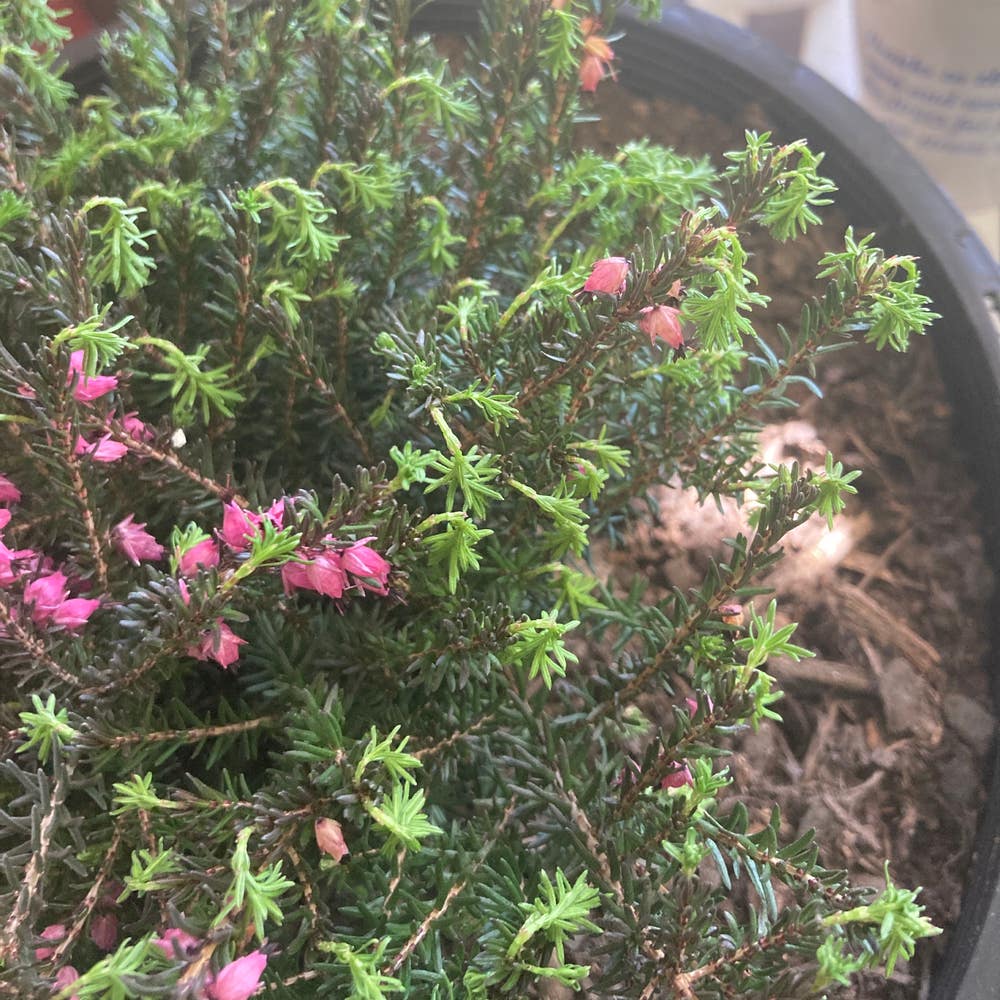
During the vegetative growth stage, Heath plants exhibit diverse growth forms. You’ll find low-growing ground covers alongside taller shrubs, each adapting to their environment in unique ways.
Leaf development is another key feature of this stage. As the plant matures, you’ll notice changes in leaf size and shape, contributing to its overall health and vigor.
Factors Influencing Growth Rate 🌡️
Several factors influence the growth rate of Heath plants. Soil quality and nutrient availability play crucial roles in determining how robust the plants will become.
Environmental conditions, including temperature, light, and moisture, also significantly impact growth. Each species has specific growth habits that can further affect how quickly they thrive.
Duration of Vegetative Growth Stage ⏳
The vegetative growth stage typically lasts several months to a few years. During this time, you can look for indicators of maturity, such as increased branching and leaf density.
These signs not only mark the plant's development but also signal its readiness for the next stage in its lifecycle. Understanding these aspects can help you appreciate the intricate journey of Heath plants as they grow and flourish.
Flowering Stage
Description of Flowering Process 🌸
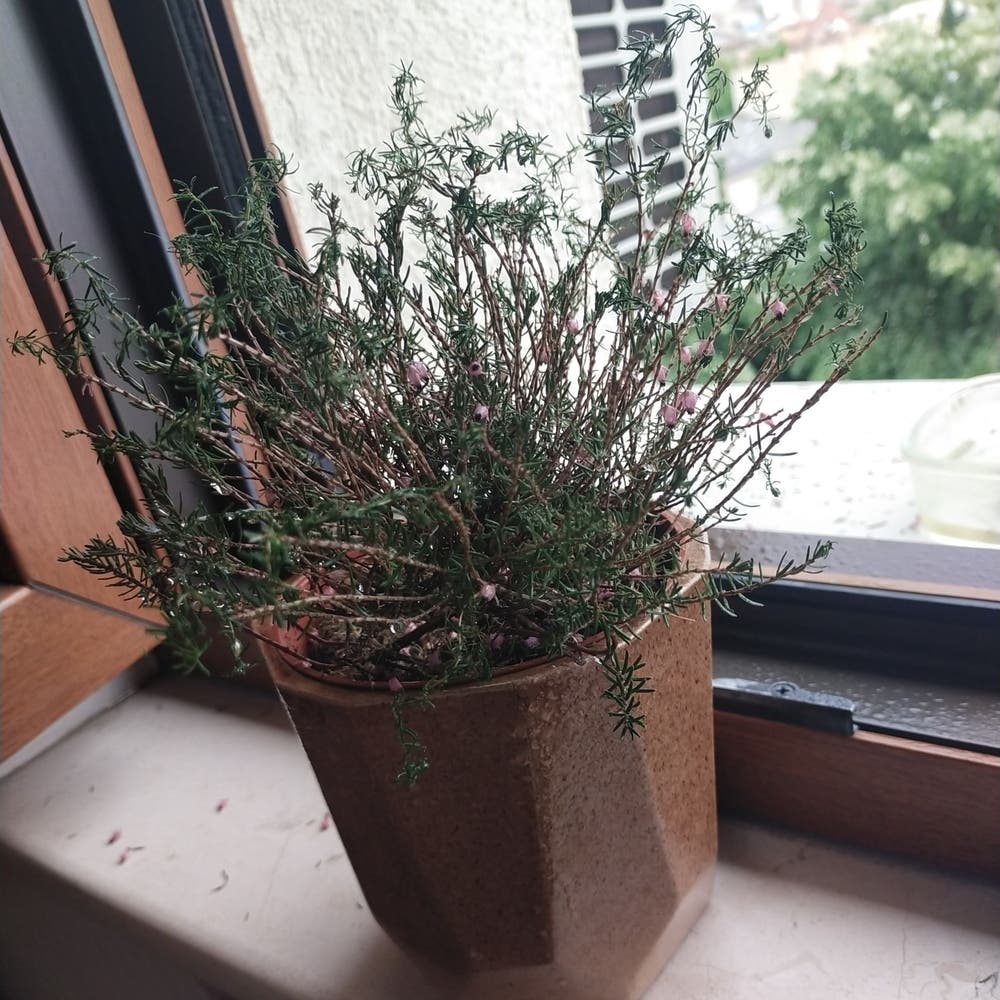
The flowering stage of Heath plants is a vibrant spectacle. Flowers can vary significantly in structure and color, showcasing hues from soft pastels to bold, striking shades depending on the species.
Timing is crucial; flowering typically occurs from late winter to summer. This variation allows different species to thrive in their unique environments, adapting to seasonal changes.
Pollination and Fertilization in Heath 🐝
Pollination is a vital process for Heath plants, primarily facilitated by bees and other insects. These pollinators play a crucial role in transferring pollen, which is essential for fertilization.
Once pollination occurs, the fertilization process begins, leading to seed formation. This transformation is a remarkable journey from flower to seed, ensuring the continuation of the species.
Duration of Flowering Stage ⏳
The flowering stage usually lasts between 2 to 6 weeks. This duration can be influenced by various factors, including environmental conditions and the specific type of Heath.
Understanding these factors can help gardeners optimize their care for Heath plants, ensuring a flourishing display. As we transition to the next stage, let's explore how seed production and maturation unfold in this fascinating lifecycle.
Seed Production and Maturation
🌱 Overview of Seed Production Process
The seed production process in Heath plants begins with the development of seed pods. These pods are crucial for protecting the seeds and facilitating their dispersal.
Timing is key; seed production typically aligns closely with the flowering period. This synchronization ensures that seeds are ready for dispersal when conditions are most favorable.
🌿 Changes in the Plant During Maturation
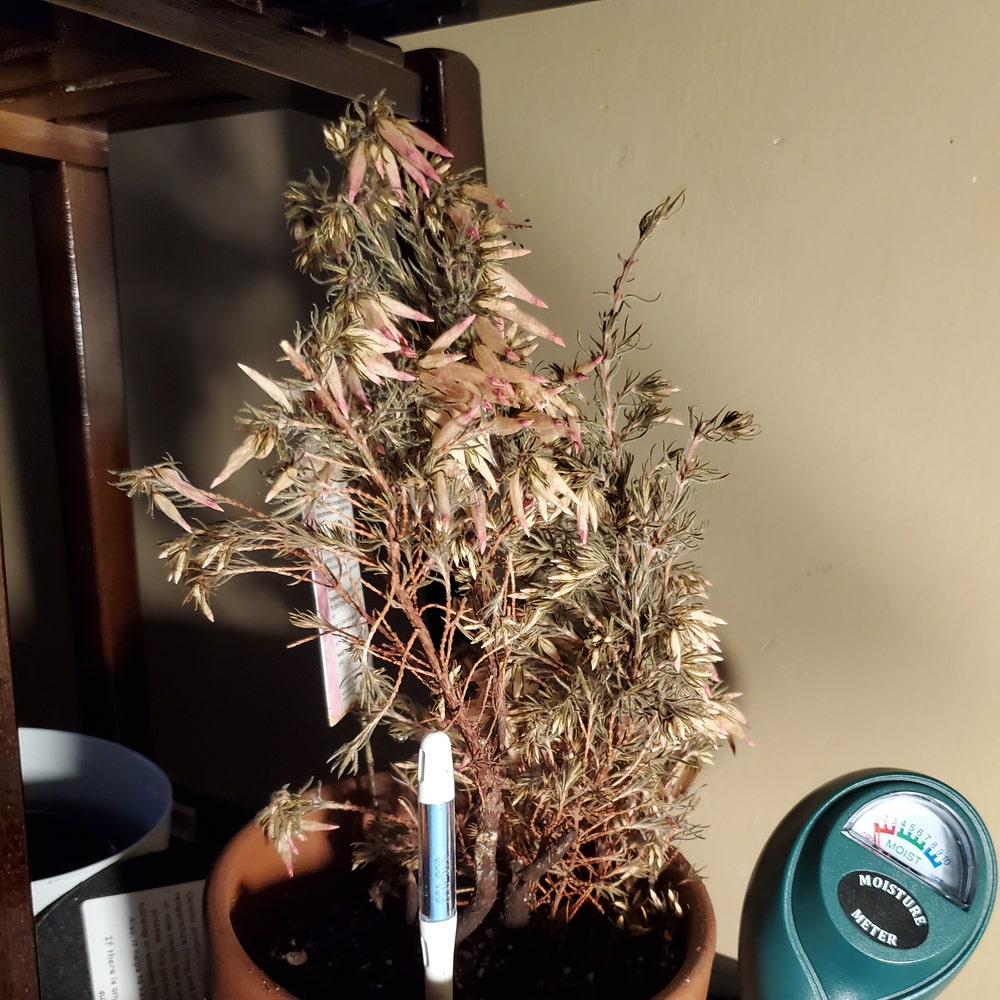
As Heath plants mature, they undergo noticeable visual changes. Leaf drop and color shifts in foliage signal that the plant is reallocating energy towards seed production.
Physiologically, the plant focuses its resources on developing seeds. This energy allocation is vital for the successful reproduction of the species.
⏳ Overall Lifespan of Heath and Factors Affecting It
Heath plants generally have an average lifespan of several years, but this can vary significantly among species.
Several factors influence their lifespan, including environmental conditions, soil quality, and care practices. Proper care can enhance longevity and vitality, ensuring a thriving plant.
Understanding these stages of seed production and maturation provides insight into the overall lifecycle of Heath plants. This knowledge sets the stage for exploring the next phase: the summary of growth rates and maturation time.
Summary of Growth Rates and Maturation Time
Understanding how long it takes for Heath to reach full maturity is crucial for gardeners and enthusiasts alike. Generally, Heath plants can take anywhere from 1 to 3 years to fully grow, depending on the species and environmental conditions.
🌱 Growth Rates Across Species
Different species exhibit varying growth rates. Some may flourish quickly in optimal conditions, while others might take their time, adapting to less favorable environments.
- Fast-growing species: These can reach maturity in about a year.
- Slower-growing varieties: Expect a maturation period of 2 to 3 years.
🌍 Environmental Influences on Maturation
Environmental factors play a significant role in how quickly Heath plants mature. Key elements include:
- Soil quality: Nutrient-rich soils can accelerate growth.
- Light exposure: Adequate sunlight promotes faster development.
- Water availability: Consistent moisture without saturation is essential.
🔄 Lifecycle Changes and Their Significance
Throughout the Heath lifecycle, notable changes occur that reflect the plant's development.
- Seedling stage: Initial growth is delicate, focusing on establishing roots.
- Vegetative growth: Increased branching and leaf density signal maturity.
- Flowering stage: The transition to flowering indicates readiness for reproduction.
These changes not only mark growth milestones but also highlight the plant's adaptability to its environment.
As we explore the fascinating journey of Heath, understanding these growth rates and maturation times helps us appreciate the resilience and beauty of this remarkable plant. Next, we will delve into the intricacies of seed production and maturation, further unraveling the lifecycle of Heath.
⚠️ Safety First
This content is for general information and may contain errors, omissions, or outdated details. It is not medical, veterinary advice, or an endorsement of therapeutic claims.
Always consult a qualified healthcare professional before using any plant as food, medicine, or supplement.
Never eat any plant (or feed one to pets) without confirming its identity with at least two trusted sources.
If you suspect poisoning, call Poison Control (800) 222-1222, the Pet Poison Helpline (800) 213-6680, or your local emergency service immediately.
Spotted an error? Please report it here.
Master the Heath lifecycle 🌱 with Greg's personalized care reminders and watering plans, ensuring your plants thrive at every stage of their journey!