How to Cure Brown Spots on Your Heath 🩹
Erica spp.
By the Greg Editorial Team
Oct 04, 2024•6 min read
This article was created with the help of AI so we can cover more plants for you. May contain errors. See one? Report it here.
Revitalize your Heath 🌱 with expert tips to prevent and treat pesky brown spots for vibrant growth!
- 🌱 Regularly assess soil moisture to prevent brown spots on your Heath plants.
- ☀️ Heath thrives in full sun; balance light exposure to avoid leaf scorching.
- 🦠 Inspect for pests and fungal infections early to maintain plant health.
Diagnosing the Problem
🌍 Assessing Environmental Factors
Soil Moisture Levels
Understanding soil moisture is crucial for the health of your Heath. You can test moisture levels using the finger test or a moisture meter to ensure your plant is thriving.
Ideal moisture conditions for Heath typically require the soil to be moist but not soggy. This balance helps prevent root rot while providing enough hydration for growth.
Light Exposure
Heath plants flourish in specific light conditions. Full sun is optimal, but they can also tolerate partial shade, which can help protect them from extreme heat.
Finding the right light exposure is essential for vibrant growth. Too much shade can lead to weak, leggy plants, while too much sun can scorch the leaves.
Temperature and Humidity
Heath thrives in a temperature range of 15°C to 25°C (59°F to 77°F). Keeping your plant within this range will promote healthy growth and vibrant blooms.
Humidity also plays a role; maintaining moderate humidity levels can prevent stress on the plant. Be mindful of your local climate to ensure your Heath remains happy.
🐛 Checking for Pests and Diseases
Common Pests Affecting Heath
Pests can wreak havoc on your Heath if not addressed promptly. Aphids are a common culprit, often leaving behind a sticky residue and distorted leaves.
Spider mites are another concern, identifiable by their webbing and stippling on leaves. Regularly inspect your plants to catch these pests early.
Identifying Diseases
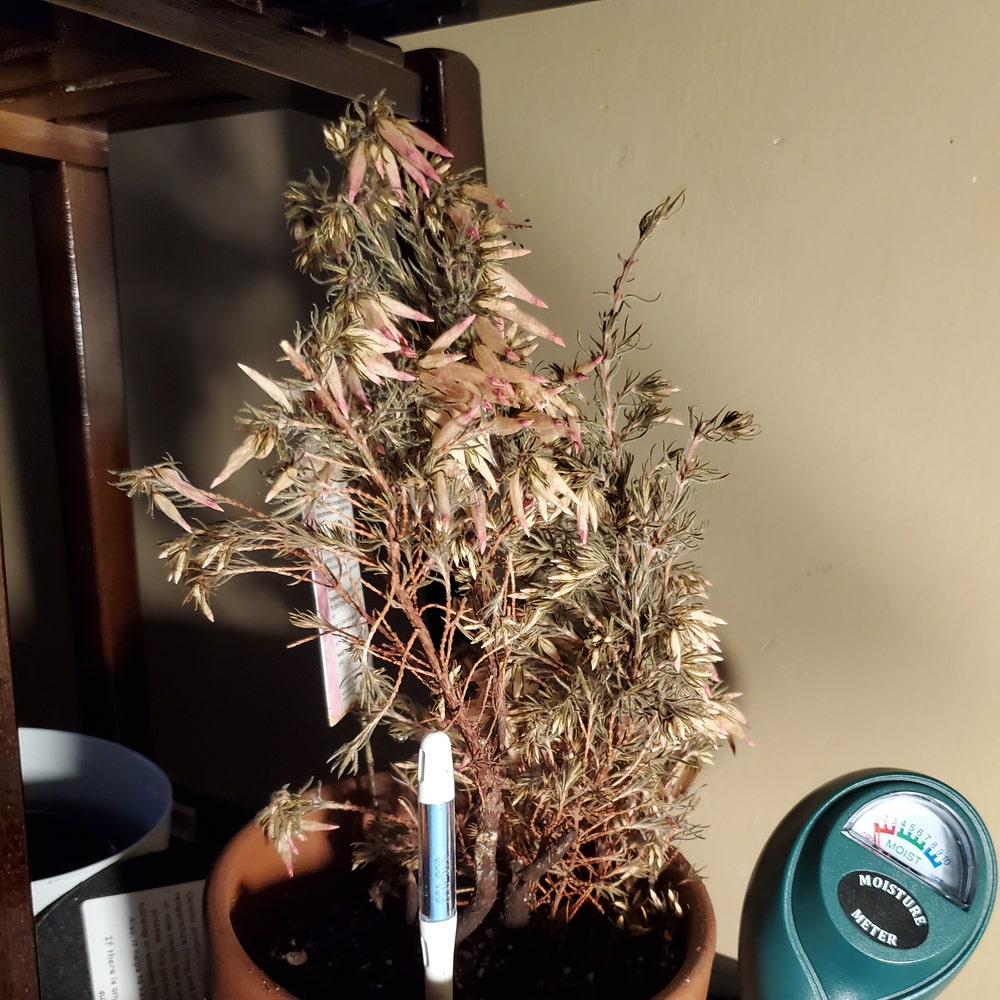
Fungal infections can manifest as discolored spots or mold on leaves. Look for signs like wilting or unusual growth patterns to identify these issues.
Bacterial infections may present as leaf spots and overall wilting. Being proactive in monitoring your Heath can help you tackle these problems before they escalate.
By diagnosing environmental factors and checking for pests and diseases, you set the stage for effective treatment. Next, we’ll explore treatment options to restore your Heath to its former glory.
Treatment Options
Step-by-step guide to treating brown spots 🌱
Identify the cause: Start by assessing your watering habits and the environmental conditions affecting your Heath. Understanding these factors is crucial for effective treatment.
Adjust watering practices: Allow the soil to dry between waterings. This simple adjustment can significantly improve your plant's health.
Apply fungicides if necessary: If you suspect a fungal issue, consider using copper-based or sulfur-based fungicides. Apply these every 7-14 days until you see improvement.
Fertilize appropriately: Use a balanced fertilizer that is high in nitrogen and magnesium. Timing is key—apply it during the growing season for the best results.
Recommended products for treatment 🛒
Fungicides: Look for specific brands that are effective for Heath. Products like Bonide Copper Fungicide or Safer Brand Garden Fungicide are popular choices.
Fertilizers: Choose fertilizers with recommended NPK ratios tailored to address nutrient deficiencies. A ratio of 10-10-10 is often effective for general health.
Pest control options: Explore both organic and chemical solutions for pest management. Neem oil and insecticidal soap are excellent organic choices, while traditional pesticides can be effective for severe infestations.
By following these treatment options, you can effectively manage brown spots on your Heath and promote healthier growth. Next, let's explore preventive measures to keep your plants thriving year-round.
Preventive Measures
🌊 Best Practices for Watering Heath
Watering your Heath correctly is crucial for its health. A general guideline is to water once a week, but always adjust based on weather conditions.
Techniques for Effective Watering
Deep watering is essential for encouraging strong root growth. Shallow watering, on the other hand, can lead to weak roots and poor plant health.
Ensuring Proper Soil Drainage
Good drainage is vital to prevent root rot. Make sure your soil allows excess water to escape, keeping your Heath thriving.
🌱 Nutrient Management for Healthy Growth
Healthy plants require balanced nutrients. Start with soil testing to check pH and nutrient levels, ensuring your Heath gets what it needs.
Fertilization Schedule
Establish a fertilization schedule that suits your plant's growth cycle. Use the right type of fertilizers throughout the year for optimal results.
Benefits of Organic Amendments
Incorporating organic materials like compost can significantly boost soil health. These amendments improve nutrient availability and enhance overall plant vigor.
By following these preventive measures, you can maintain a vibrant and healthy Heath. Next, let’s explore how to adjust care during different seasons for continued success.
Seasonal Considerations
Adjusting Care During Different Seasons 🌦️
Spring:
As the weather warms, it's time to fertilize your Heath. Monitor for pests, as they become more active during this season.
Summer:
Heat can stress your plants, so adjust your watering practices. Ensure your Heath receives adequate moisture without becoming waterlogged.
Fall:
Prepare your Heath for dormancy by gradually reducing watering. This helps the plant conserve energy for the colder months ahead.
Winter:
Protect your Heath from frost damage. Ensure proper drainage to prevent root rot during the wet, cold season.
Monitoring for Seasonal Pests and Diseases 🐛
Common Seasonal Pests:
Keep an eye out for pests that thrive in warmer months. Early identification and treatment can save your plants from significant damage.
Seasonal Diseases:
Humidity can lead to fungal infections during the summer. Regular checks will help you catch these issues before they escalate.
By adjusting your care routine according to the seasons, you can keep your Heath healthy and vibrant year-round. Next, let’s explore some common misconceptions about brown spots on Heath and clarify the best care techniques.
Common Misconceptions
🐛 Myths about brown spots on Heath
One common misconception is that brown spots on Heath are always caused by pests. While pests like aphids and spider mites can contribute to browning, it’s crucial to assess environmental factors first.
Another myth is that all brown spots indicate a disease. In reality, nutrient deficiencies and improper watering can also lead to browning, making it essential to evaluate the overall care routine.
💧 Clarifying care techniques
Understanding proper watering techniques is vital for maintaining healthy Heath plants. Soil moisture needs vary, and knowing when to water can prevent both overwatering and underwatering.
Nutrient management is another area rife with misconceptions. Many believe that frequent fertilization is necessary, but understanding the right types and timing can lead to healthier plants without the risk of nutrient overload.
⚠️ Safety First
This content is for general information and may contain errors, omissions, or outdated details. It is not medical, veterinary advice, or an endorsement of therapeutic claims.
Always consult a qualified healthcare professional before using any plant as food, medicine, or supplement.
Never eat any plant (or feed one to pets) without confirming its identity with at least two trusted sources.
If you suspect poisoning, call Poison Control (800) 222-1222, the Pet Poison Helpline (800) 213-6680, or your local emergency service immediately.
Spotted an error? Please report it here.
Keep your Heath plants spot-free 🌿 by using Greg's tailored reminders for optimal watering and care based on your unique environment!