🌸 Getting Your Heath to Bloom
Erica spp.
By the Greg Editorial Team
Nov 07, 2024•3 min read
This article was created with the help of AI so we can cover more plants for you. May contain errors. See one? Report it here.
Unlock the secret to vibrant Heath blooms 🌸 and transform your garden with this essential guide to their care!
- 🌸 Heath blooms vibrant colors from late winter to early spring, lasting 2-3 weeks.
- 🌱 Regular pruning encourages new growth, enhancing blooming and overall plant health.
- 🌞 Optimal conditions include full sun and well-drained, acidic soil for thriving Heath.
If Heath Flowers
🌸 Flower Characteristics
Description of Colors and Structure
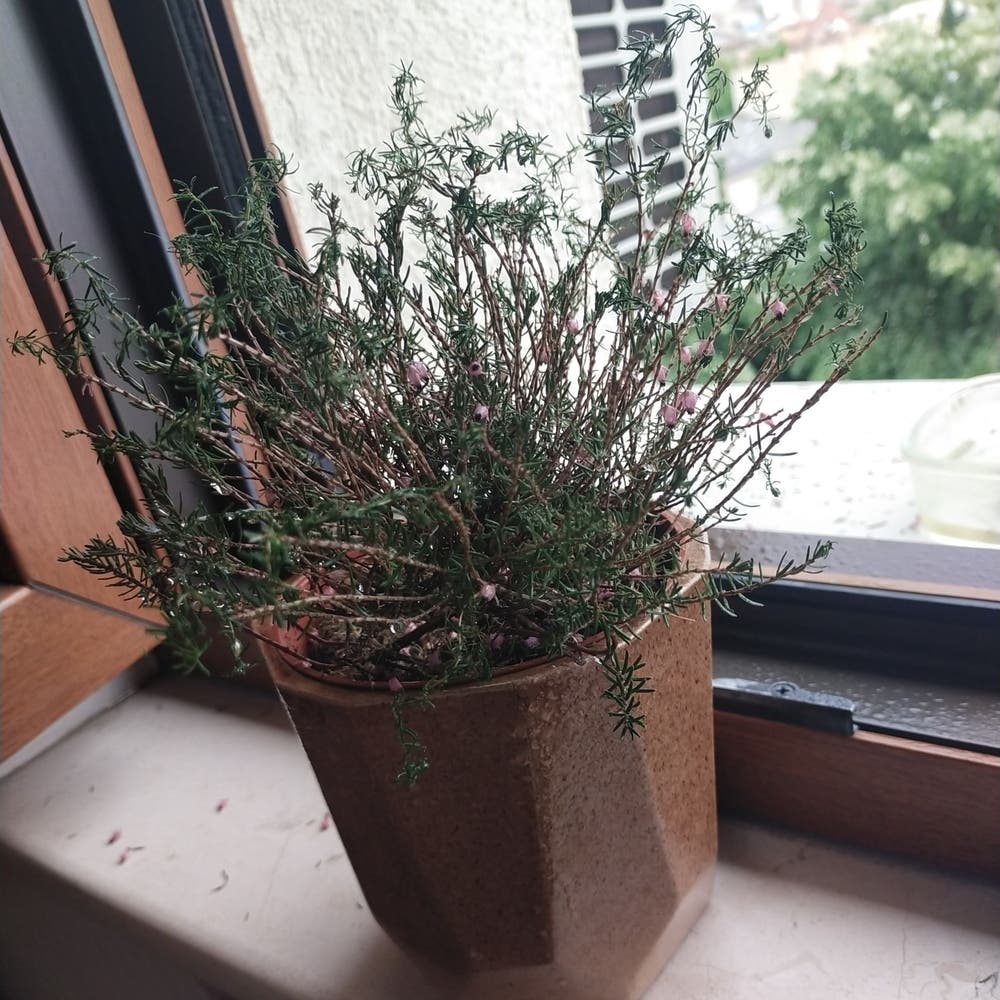
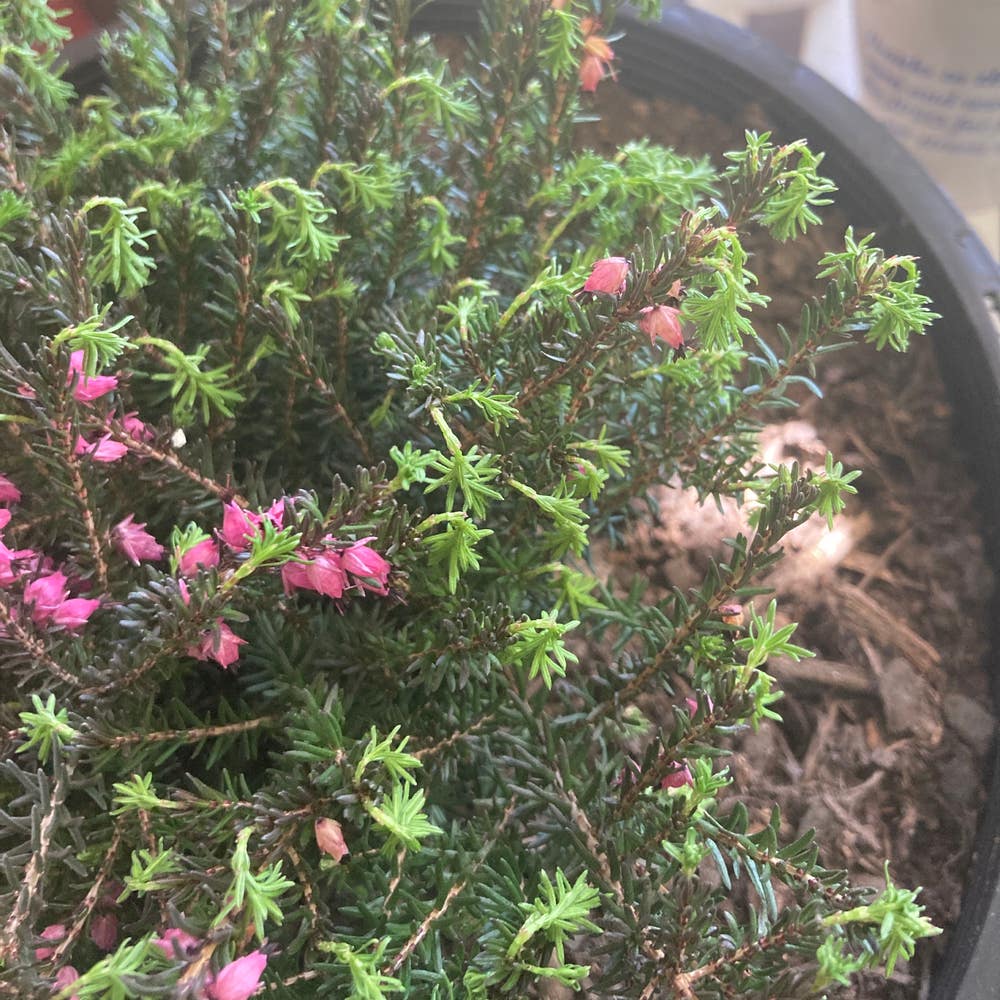
Heath flowers are a delightful sight, showcasing vibrant colors like pink, purple, and white, which vary by species. These small, bell-shaped blooms cluster together on elegant flower spikes, creating a stunning display.
Self-Pollination vs. External Pollination
Heath primarily relies on self-pollination, making it a resilient plant. However, some varieties can benefit from cross-pollination, enhancing genetic diversity.
🌼 Blooming Process
Outline of Blooming Stages and Typical Bloom Time
Typically, Heath blooms from late winter to early spring, depending on the specific variety. The blooming process unfolds in stages, starting with bud formation in late fall, followed by an initial bloom where flowers gradually open over several weeks.
Duration from Bud Formation to Full Bloom
From the moment buds form, it takes about 4-6 weeks for Heath to reach full bloom. This gradual transition allows for a prolonged display of beauty.
Lifespan of Flowers
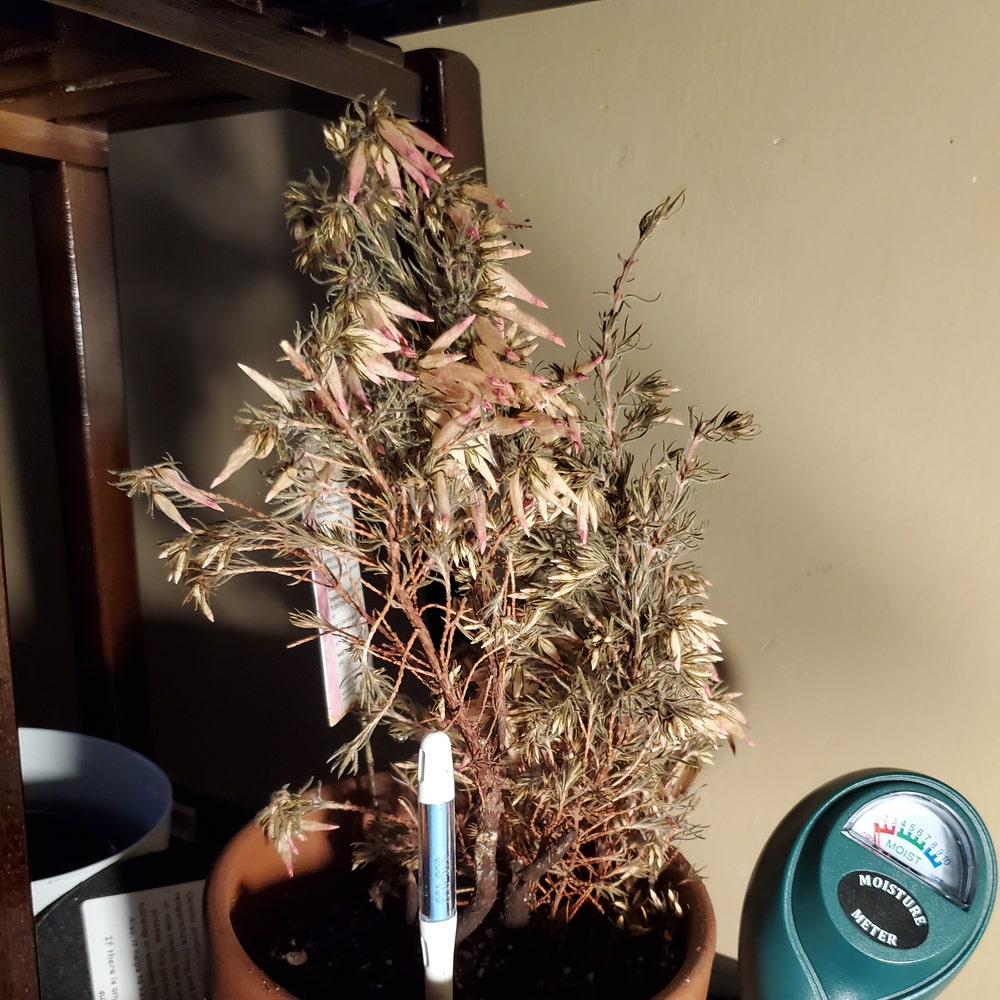
Once in bloom, Heath flowers generally last for 2-3 weeks before wilting. This lifespan adds to the anticipation of their return each season.
🌱 Encouraging Blooms
Tips for Encouraging Heath to Bloom
To encourage Heath to bloom, regular pruning is essential. Trim spent flowers to promote new growth, and consider using a balanced fertilizer during the growing season for optimal results.
Factors Influencing Flowering
Light exposure plays a crucial role in flowering; Heath thrives in full sun to partial shade. Additionally, well-drained, acidic soil is vital for promoting healthy blooms.
🌿 Post-Flowering
What Happens After the Flowering Period
After the flowering period, Heath may produce seed pods, which can be collected for propagation. This stage is an exciting opportunity for gardeners to expand their Heath collection.
Discussion on Whether Heath Dies After Flowering
Contrary to some beliefs, Heath does not die after flowering. Instead, it continues to grow and may bloom again in subsequent seasons, showcasing its resilience.
🌼 If Heath Doesn't Flower
Ornamental Features
Even when not in bloom, Heath offers ornamental value with its dense, evergreen leaves. These leaves provide year-round interest and serve as effective ground cover, preventing soil erosion and enhancing landscape aesthetics.
🌱 Reproduction
Explanation of How Heath Reproduces Without Flowers
Some Heath varieties can reproduce asexually through vegetative means, such as layering or division. This adaptability ensures the plant's survival even in challenging conditions.
🌟 Unique Aspects
Discussion of Unusual Characteristics Related to Flowering or Non-Flowering Nature
Heath's ability to thrive in harsh conditions significantly influences its flowering habits and overall growth. This resilience is a testament to its adaptability.
Interesting Facts or Trivia About Heath's Reproductive Strategy
Some Heath varieties can remain dormant for years, only blooming under optimal conditions. This fascinating strategy allows them to survive in less-than-ideal environments.
Relation of Flowering (or Lack Thereof) to the Plant's Life Cycle
Flowering is a critical phase in Heath's life cycle, contributing to seed dispersal and genetic diversity. Meanwhile, its non-flowering aspects ensure survival, showcasing the plant's remarkable adaptability.
As we explore the various aspects of Heath, it becomes clear that understanding its flowering and non-flowering characteristics enriches our appreciation for this resilient plant. Next, we will delve into the ornamental features of Heath and how they enhance our gardens.
⚠️ Safety First
This content is for general information and may contain errors, omissions, or outdated details. It is not medical, veterinary advice, or an endorsement of therapeutic claims.
Always consult a qualified healthcare professional before using any plant as food, medicine, or supplement.
Never eat any plant (or feed one to pets) without confirming its identity with at least two trusted sources.
If you suspect poisoning, call Poison Control (800) 222-1222, the Pet Poison Helpline (800) 213-6680, or your local emergency service immediately.
Spotted an error? Please report it here.
Transform your Heath into a blooming beauty 🌼 with Greg's tailored care reminders that ensure optimal light and soil conditions for vibrant flowers!