How to Cure Curling Leaves on Your Heath
Erica spp.
By the Greg Editorial Team
Oct 04, 2024•5 min read
This article was created with the help of AI so we can cover more plants for you. May contain errors. See one? Report it here.
Transform your curling Heath leaves 🌱 into lush greenery with essential tips on watering, pests, and nutrients for thriving plants!
- 🌱 Check soil moisture regularly to prevent curling leaves on your Heath.
- 🐛 Inspect leaves for pests and use sticky traps for early detection.
- 🌞 Ensure 6-8 hours of sunlight daily for optimal Heath growth and health.
Diagnosing the Problem
Assessing Soil Moisture Levels 🌧️
Understanding soil moisture is crucial for the health of your Heath.
Techniques:
- Finger Test: Simply insert your finger into the soil up to 2 inches. This quick method gives you a feel for moisture levels.
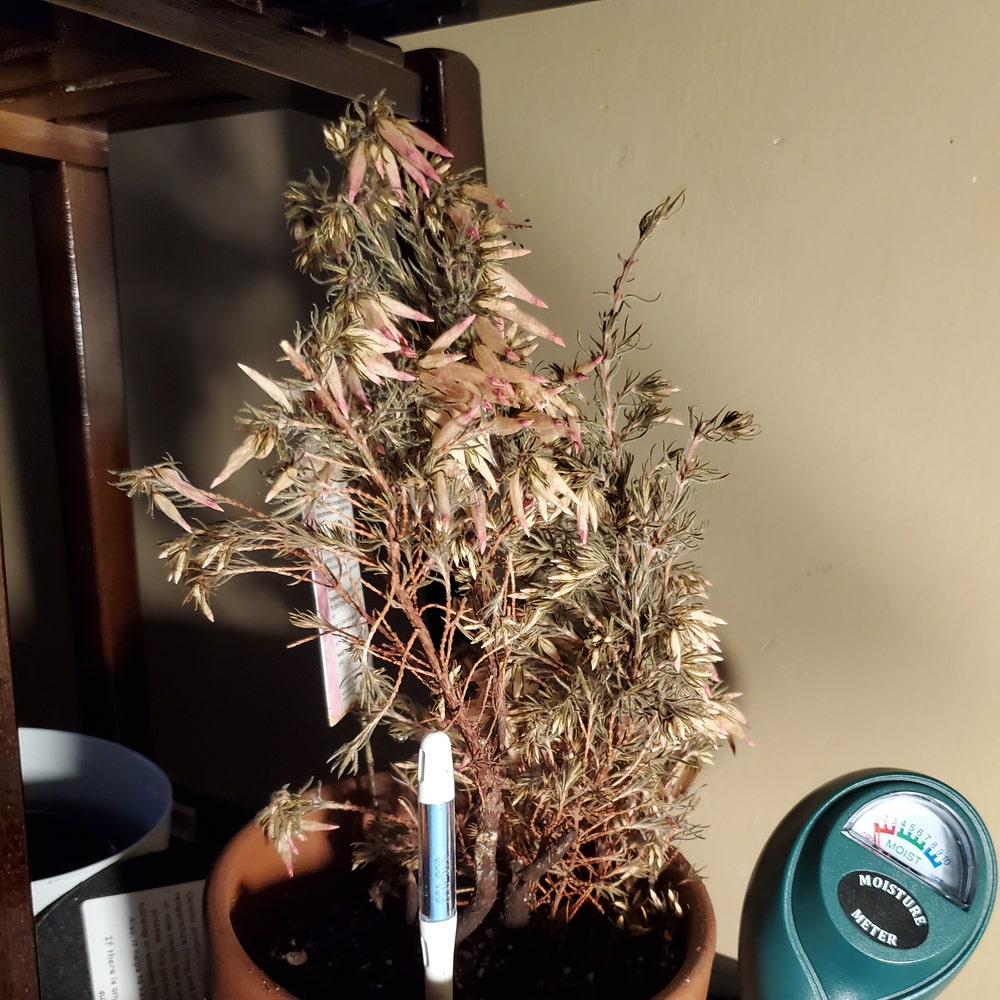
- Soil Moisture Meter: For more accuracy, consider using a soil moisture meter. It provides precise readings, helping you avoid over or under-watering.
Ideal Moisture Levels: Aim for soil that is consistently moist but not waterlogged. This balance is essential for preventing curling leaves.
Checking for Pests and Diseases 🐛
Pests and diseases can wreak havoc on your Heath, leading to curling leaves.
Inspection Methods:
- Visual Checks: Regularly inspect the undersides of leaves for pests. Early detection is key to effective treatment.
- Sticky Traps: Use sticky traps to monitor pest populations. These can help you gauge the severity of an infestation.
Common Diseases:
- Root Rot: Look for symptoms like wilting and leaf curl. This often indicates overwatering.
- Fungal Infections: Discoloration and spots on leaves can signal fungal issues. Address these promptly to protect your plant.
Evaluating Nutrient Levels and Deficiencies 🥦
Nutrient deficiencies can also lead to curling leaves.
Soil Testing:
- pH Levels: The ideal pH range for Heath is between 5.0 and 6.0. Regular testing can help maintain this balance.
- Nutrient Analysis: Check for essential nutrients like nitrogen, phosphorus, and potassium. This ensures your plant gets what it needs to thrive.
Symptoms of Deficiencies:
- Nitrogen: Yellowing leaves and poor growth are common signs of nitrogen deficiency.
- Potassium: Look for curling leaves and browning edges, which often indicate a lack of potassium.
By diagnosing these issues early, you can take the necessary steps to restore your Heath's health. Next, we’ll explore effective treatments for curling leaves.
Treating Curling Leaves
🌊 Step-by-Step Guide to Correcting Watering Issues
Assess Current Watering Schedule: Start by evaluating how often and how much you water your Heath. This foundational step is crucial for understanding your plant's needs.
Adjust Watering Based on Soil Moisture Readings: Use the finger test or a soil moisture meter to determine if your plant is getting enough water. This will help you avoid overwatering or underwatering.
Implement a Consistent Watering Routine: Aim to water deeply but infrequently. Allow the soil to dry slightly between waterings to promote healthy root growth.
🐞 Pest Control Methods Specific to Heath
Organic Options: Consider using neem oil, which is effective against common pests like aphids and spider mites. Insecticidal soap is another safe choice for treating your Heath plants.
Chemical Options: For severe infestations, systemic insecticides can be effective. However, use these as a last resort to minimize harm to beneficial insects.
Monitoring: After treatment, conduct regular checks to ensure the effectiveness of your pest control methods. This will help you catch any new infestations early.
🌱 Nutrient Supplementation Techniques
Fertilization Schedule: During the growing season, use a balanced, slow-release fertilizer to provide essential nutrients. This will support your plant's overall health and vigor.
Application Methods: For granular fertilizers, follow the package instructions for application rates. If using liquid fertilizers, dilute them and apply every 4-6 weeks for optimal results.
By addressing watering issues, controlling pests, and supplementing nutrients, you can effectively treat curling leaves on your Heath. These steps will not only restore your plant's health but also set the stage for long-term vitality.
Next, let’s explore how to prevent future curling by focusing on best practices for soil care and sunlight exposure.
Preventing Future Curling
🌱 Best Practices for Soil Care
Maintaining healthy soil is crucial for preventing curling leaves on your Heath. Start by incorporating organic matter, which enhances drainage and promotes root health.
Using acidic mulches can help maintain the ideal soil pH. Regular soil testing is also essential; aim to conduct tests annually to monitor nutrient levels effectively.
☀️ Optimal Sunlight Exposure for Heath
Proper sunlight exposure is vital for your Heath's well-being. Ensure your plants receive 6-8 hours of sunlight daily to thrive.
If your Heath is potted, consider moving it to a sunnier location if it appears to be struggling. A little adjustment can make a big difference.
🍂 Seasonal Care Tips to Maintain Leaf Health
Seasonal changes require specific care strategies to keep your Heath healthy. In winter, mulch around the base to insulate the roots and protect them from freezing temperatures.
During the summer, be prepared to increase watering frequency, especially during hot spells. Keeping your Heath hydrated will help prevent stress and curling leaves.
By implementing these preventive measures, you can maintain the health of your Heath and enjoy its vibrant foliage year-round. Next, let's explore how to monitor and maintain your plants effectively.
Monitoring and Maintenance
Regular Checks for Pests and Diseases 🐛
To keep your Heath healthy, inspect your plants bi-weekly during the growing season. Look for signs like leaf discoloration, webbing, or sticky residue, which can indicate pest infestations or diseases.
Importance of Consistent Watering Schedule 💧
Establishing a consistent watering routine is crucial for your plant's health. Aim to water at the same time each week, but be ready to adjust the frequency during dry spells to ensure your Heath remains hydrated.
Signs of Recovery and Ongoing Care 🌱
Watch for indicators of health, such as new growth and returning leaf color. Continued monitoring of moisture levels and pest activity will help you maintain your plant's vitality and prevent future issues.
By staying vigilant and proactive, you can ensure your Heath thrives beautifully. Next, let’s explore best practices for preventing future curling leaves.
⚠️ Safety First
This content is for general information and may contain errors, omissions, or outdated details. It is not medical, veterinary advice, or an endorsement of therapeutic claims.
Always consult a qualified healthcare professional before using any plant as food, medicine, or supplement.
Never eat any plant (or feed one to pets) without confirming its identity with at least two trusted sources.
If you suspect poisoning, call Poison Control (800) 222-1222, the Pet Poison Helpline (800) 213-6680, or your local emergency service immediately.
Spotted an error? Please report it here.
Keep your Heath thriving and curl-free 🌿 by using Greg's tailored watering reminders and pest alerts to stay ahead of any issues!