🌸 Understanding Why Your Heath Is Wilting
Erica spp.
By the Greg Editorial Team
Oct 04, 2024•5 min read
This article was created with the help of AI so we can cover more plants for you. May contain errors. See one? Report it here.
Transform wilting plants 🌱 into thriving beauties by mastering essential care techniques today!
- 💧 Wilting leaves indicate water stress; check for underwatering or inconsistent watering.
- 🌡️ Heat stress causes wilting; provide shade and monitor temperature for plant health.
- 🌱 Assess soil moisture regularly to prevent both underwatering and overwatering issues.
Common Causes of Wilting Leaves
💧 Water Stress
Wilting leaves often signal water stress in your plants. Symptoms include drooping leaves, dry soil, and brown edges, indicating either underwatering or inconsistent watering practices.
🌡️ Heat Stress
Heat stress can also lead to wilting. Look for symptoms like curling leaves, discoloration, and wilting during hot weather, often caused by direct sunlight and high temperatures without enough moisture.
🌬️ Environmental Sensitivity
Environmental factors can exacerbate wilting. Rapid temperature fluctuations and low humidity levels can stress your plants, while dense growth may trap moisture, leading to potential overwatering issues.
Understanding these common causes is crucial for effective plant care. By recognizing the signs early, you can take action to revive your wilting plants and keep them thriving.
Diagnosing Wilting
Step-by-Step Guide to Diagnosis 🌱
Diagnosing wilting in your plants starts with assessing soil moisture. Check if the soil is dry or overly saturated, as both extremes can lead to wilting.
Next, observe the environmental conditions. Note the temperature, humidity, and sunlight exposure to understand how they might be affecting your plant.
Inspecting Leaves 🍃
Inspect the leaves closely for any signs of discoloration, curling, or damage. These visual cues can provide critical insights into the plant's health.
Finally, evaluate your watering routine. Review how often and how much water you provide to ensure it aligns with your plant's needs.
Signs to Look For 👀
Pay attention to leaf texture. Soft or mushy leaves often indicate overwatering, while a crisp feel may suggest underwatering.
Leaf color is another important indicator. Yellowing leaves can signal underwatering or nutrient deficiencies, so keep an eye out for this change.
Growth Habit 🌿
Check the growth habit of your plant. Stunted growth or sparse foliage can indicate underlying issues that need addressing.
By following these steps, you can effectively diagnose the cause of wilting and take appropriate action to revive your plant. Understanding these signs will lead you to healthier, happier plants.
Solutions for Wilting
🌊 Actionable Advice for Each Cause
Addressing Water Stress
To combat water stress, adjust your watering schedule. Aim for consistent moisture without risking waterlogging, which can suffocate roots.
Implementing bottom watering is a great technique. This method encourages deep root hydration, allowing plants to absorb water more effectively.
🔥 Mitigating Heat Stress
For heat stress, providing partial shade during peak sunlight hours is essential. This simple adjustment can protect your plants from scorching.
Using mulch is another effective strategy. It helps retain soil moisture and regulates temperature, creating a more stable environment for your plants.
🌱 Reviving a Wilted Heath
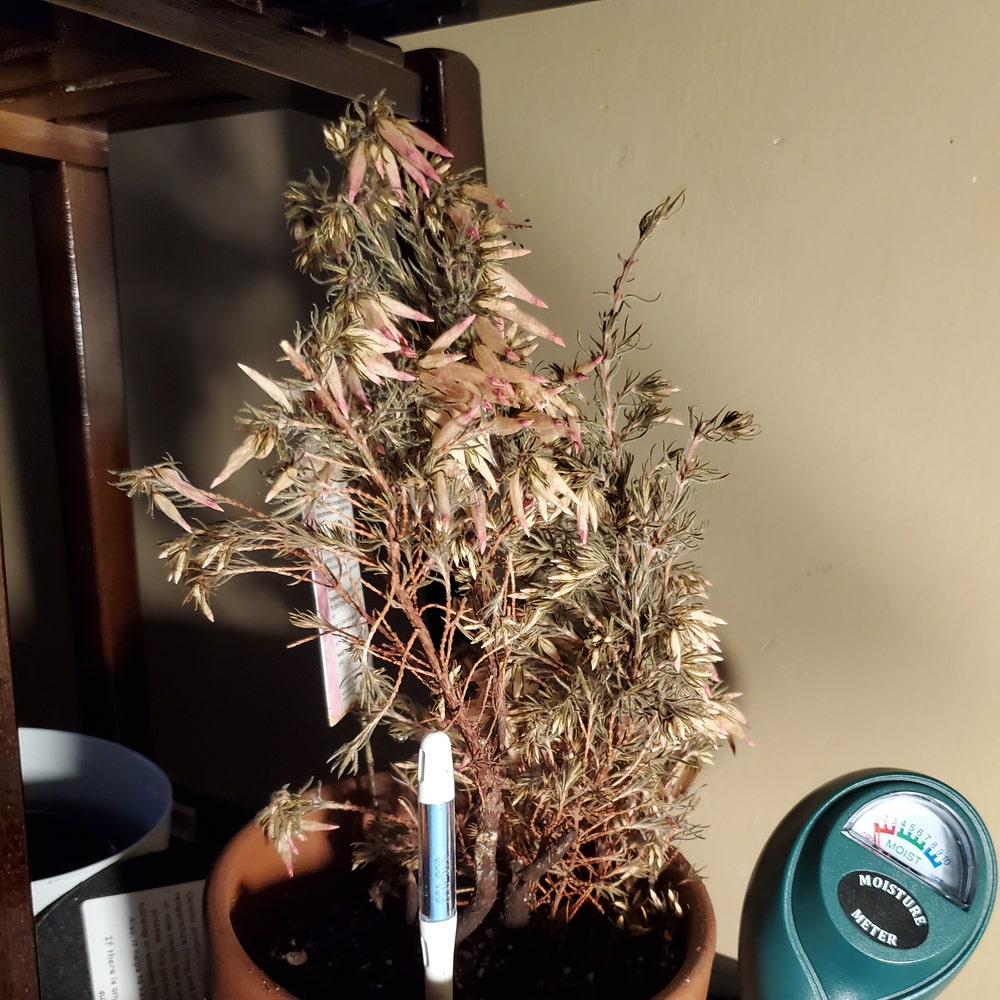
Reviving a wilted heath requires careful assessment. Start by determining if the plant is merely stressed or severely wilted.
- Assess the level of wilting: Check how droopy the leaves are.
- Adjust watering: If the plant is underwatered, give it a thorough drink. If overwatered, let the soil dry out.
- Relocate temporarily: Move the plant to a cooler, shaded area if heat stress is suspected.
- Prune damaged leaves: Remove any severely wilted or brown leaves to encourage new growth.
By following these steps, you can help your plant bounce back and thrive. Remember, a little attention goes a long way in keeping your heath healthy and vibrant.
Next, let’s explore preventive measures to minimize future wilting.
Preventive Measures
Tips to Minimize Future Wilting 🌱
To keep your plants thriving, regularly monitor soil moisture levels. This simple practice helps prevent both underwatering and overwatering, ensuring your plants receive just the right amount of hydration.
Establishing a consistent watering schedule is crucial. Adjust this routine according to seasonal changes, as plants often require more water during hotter months.
Environmental Considerations 🌍
Choosing the right planting location can make a significant difference. Aim for spots that provide adequate sunlight while also offering protection from extreme heat.
Don’t forget about humidity levels. During dry spells, consider providing supplemental moisture to help your plants stay healthy and vibrant.
By taking these preventive measures, you can create a nurturing environment that minimizes the risk of wilting and promotes robust growth.
As you implement these strategies, you’ll be better equipped to enjoy a flourishing garden, setting the stage for the next section on when to seek professional help.
When to Seek Help
Signs That Professional Assistance is Needed 🌱
Sometimes, despite your best efforts, your plant may continue to wilt. If you notice persistent wilting even after adjusting your care routine, it’s time to consider seeking help.
Additionally, look out for signs of disease or pest infestation. If you can’t identify the problem, don’t hesitate to reach out for professional advice.
Resources for Support 🛠️
Local nurseries are a fantastic resource for personalized advice tailored to your specific plant needs. The staff can often provide insights that you might not find online.
Online plant care communities, like Greg, offer a wealth of knowledge and support. Engaging with fellow plant enthusiasts can help you troubleshoot issues and share experiences.
By knowing when to seek help and where to find it, you can ensure your plants thrive. This proactive approach not only saves your plants but also enhances your gardening skills.
⚠️ Safety First
This content is for general information and may contain errors, omissions, or outdated details. It is not medical, veterinary advice, or an endorsement of therapeutic claims.
Always consult a qualified healthcare professional before using any plant as food, medicine, or supplement.
Never eat any plant (or feed one to pets) without confirming its identity with at least two trusted sources.
If you suspect poisoning, call Poison Control (800) 222-1222, the Pet Poison Helpline (800) 213-6680, or your local emergency service immediately.
Spotted an error? Please report it here.
Revive your wilting heath by understanding its needs, and let Greg guide you with custom watering alerts 🌧️ and community insights to keep your plants flourishing!