5 Tips for Selecting the Best Pot for Heath 🪴
Erica spp.
By the Greg Editorial Team
Nov 07, 2024•6 min read
This article was created with the help of AI so we can cover more plants for you. May contain errors. See one? Report it here.
Master pot sizes and materials 🌱 to ensure your heath plants thrive at every growth stage!
- 🌱 Choose pots 4-6 inches for seedlings and 8-12 inches for mature heath plants.
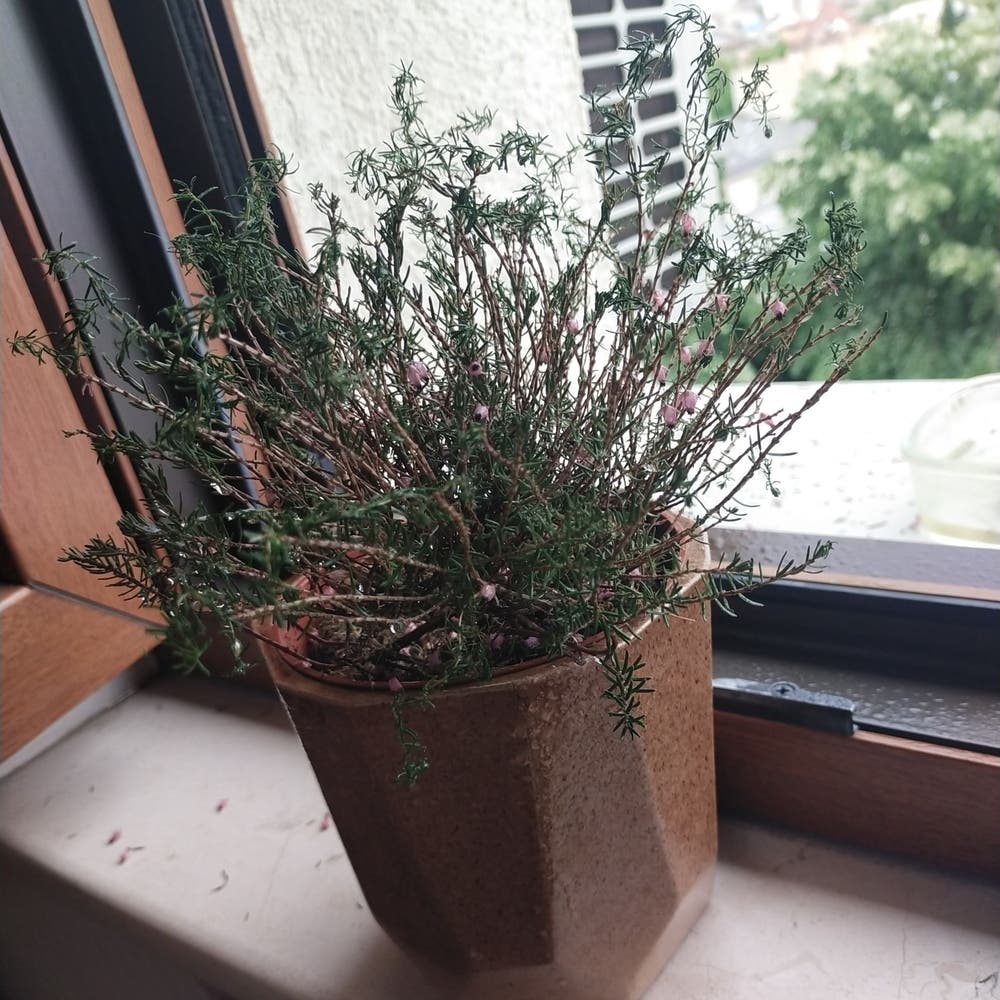
- 🏺 Opt for clay or ceramic pots for better moisture control and air circulation.
- 🚫 Ensure proper drainage with 3-5 holes to prevent root rot in heath plants.
Pot Sizes for Different Growth Stages
🌱 Recommended Pot Sizes for Seedlings
When starting your heath plants, the ideal container size is between 4 to 6 inches in diameter. Smaller pots are crucial for encouraging denser growth, as they help the seedlings establish a robust root system.
Timing is also key when potting seedlings. Aim to transfer them once they have developed 2 to 3 sets of true leaves, signaling they are ready for a larger home.
🌳 Ideal Pot Sizes for Mature Heath Plants
For mature heath plants, a container size of 8 to 12 inches in diameter is recommended. This size accommodates their growth while providing enough space for the roots to spread.
If you're dealing with larger varieties, consider their specific needs. Interestingly, using slightly smaller pots can actually promote better flowering and overall health, as it encourages the plants to focus energy on blooming rather than just growing.
With the right pot sizes, your heath plants will thrive at every stage of their growth. Next, let’s explore the ideal pot materials that can further enhance their development.
Ideal Pot Materials
Choosing the right pot material is crucial for the health of your heath plants. Each material offers unique benefits that can influence growth, moisture retention, and overall aesthetics.
🌱 Benefits of Clay Pots
Clay pots are a popular choice among gardeners for several reasons. Their porous nature allows for better air circulation and moisture control, which is essential for healthy root development.
The weight of clay pots provides stability, making them ideal for taller varieties that might otherwise topple over. Plus, they add an aesthetic appeal to garden settings, blending beautifully with natural surroundings.
🪴 Advantages of Plastic Pots
Plastic pots are lightweight and easy to move, making them perfect for container gardening. Their ability to retain moisture longer is particularly beneficial in drier conditions, helping to keep your plants hydrated.
Additionally, plastic pots come in a variety of colors and styles, allowing you to customize your garden's look while ensuring your plants thrive.
⚖️ Comparison of Other Materials
Ceramic Pots
Ceramic pots are both attractive and heavy, providing stability for your plants. The choice between glazed and unglazed options can affect moisture retention; glazed pots tend to hold moisture better, while unglazed pots allow for more evaporation.
Metal Pots
Metal pots offer durability and a modern aesthetic that can enhance your garden's design. However, they can retain heat, which may affect root health, especially in warmer climates.
Selecting the right pot material is essential for your heath plants' success. Consider the unique benefits of each option to create an environment that promotes healthy growth and vibrant blooms.
As you explore potting options, remember to think about how these materials align with your gardening goals and the specific needs of your plants.
Importance of Drainage
🌧️ Role of Drainage Holes in Pot Selection
Proper drainage is crucial for the health of your heath plants. Without adequate drainage holes, water can accumulate, leading to waterlogging and root rot, which can quickly kill your plants.
To prevent these issues, aim for a minimum of 3-5 drainage holes in your pots. This ensures excess water can escape, keeping the roots healthy and thriving.
🚰 How to Ensure Proper Drainage
When selecting pots, look for those with built-in drainage systems. These pots are designed to facilitate water flow, making them a smart choice for any gardener.
Additionally, consider adding a layer of gravel or stones at the bottom of the pot. This simple step enhances drainage and prevents soil from clogging the holes.
Regularly checking drainage holes for blockages is also essential. This maintenance task helps ensure your plants receive the right amount of moisture without the risk of overwatering.
With proper drainage in place, your heath plants will have the best chance to flourish. Next, let’s explore when to repot your heath for optimal growth.
When to Repot Heath
🌱 Signs that Heath Needs Repotting
Recognizing when your heath needs repotting is crucial for its health. Look for root growth visible through the drainage holes; this is a clear sign that your plant is becoming root-bound.
Additionally, if you notice stunted growth or yellowing leaves, it may indicate that the roots are cramped. Soil degradation is another red flag; if the soil feels compacted or lacks nutrients, it's time for a change.
🛠️ Best Practices for Repotting Heath
Timing is everything when it comes to repotting. Aim for early spring or late summer to minimize stress on your plant.
Before you begin, prepare the new pot by ensuring it has proper drainage and the right soil mix. When transferring your heath, gently loosen the roots to encourage healthy growth in its new home.
By following these steps, you'll help your heath thrive and flourish in its new environment. Now that you know when and how to repot, let’s explore how to choose the right pot for your heath!
Choosing the Right Pot When Repotting
🏺 Factors to Consider When Selecting a New Pot
When repotting your heath, size matters. Opt for a pot that is 1-2 inches larger in diameter than the current one to give roots room to grow without overwhelming the plant.
Material choice is also crucial. Consider your plant's moisture retention needs and your aesthetic preferences—clay pots offer breathability, while plastic pots are lightweight and versatile.
Drainage is non-negotiable. Ensure the new pot has adequate drainage holes to prevent waterlogging, which can lead to root rot.
📏 Transitioning to Larger Pots: What to Look For
As you transition to larger pots, assess the growth habits of your specific heath varieties. Some may thrive in larger containers, while others prefer a snug fit.
Keep an eye on moisture levels. Adjust the pot size accordingly to maintain the right balance of moisture and air circulation.
Remember, slightly smaller pots can promote optimal flowering and overall health. This strategy encourages your plants to focus energy on blooming rather than sprawling out too much.
With these considerations in mind, you’ll be well-equipped to choose the perfect pot for your heath, ensuring a thriving and vibrant plant. Next, let’s explore the best practices for repotting your heath to minimize stress and maximize growth.
⚠️ Safety First
This content is for general information and may contain errors, omissions, or outdated details. It is not medical, veterinary advice, or an endorsement of therapeutic claims.
Always consult a qualified healthcare professional before using any plant as food, medicine, or supplement.
Never eat any plant (or feed one to pets) without confirming its identity with at least two trusted sources.
If you suspect poisoning, call Poison Control (800) 222-1222, the Pet Poison Helpline (800) 213-6680, or your local emergency service immediately.
Spotted an error? Please report it here.
Choose the perfect pot for your heath 🌱 with Greg's tailored tips and reminders, ensuring your plants flourish in their ideal environment!