Best Soil for Heath 🛠️
Erica spp.
By the Greg Editorial Team
Nov 07, 2024•5 min read
This article was created with the help of AI so we can cover more plants for you. May contain errors. See one? Report it here.
Master soil pH 🌱 to unlock vibrant heath plants and create the perfect homemade soil mix for thriving growth!
- 🌱 Ideal soil pH for heath plants is 5.0-6.0 for optimal growth.
- 🛠️ Signs of unhealthy soil include mold and compaction; address these issues promptly.
- 🧪 Regular soil testing ensures ideal pH and nutrient levels for thriving heath plants.
Soil pH for Heath
Ideal Soil pH Range 🌱
For optimal growth of heath plants, the ideal soil pH range is between 5.0 and 6.0. This acidic environment is crucial for the health and vitality of these plants.
Maintaining the right pH is essential because it directly affects nutrient availability. In alkaline soils, plants can suffer from nutrient deficiencies, leading to stunted growth and poor health.
Effects of pH on Nutrient Availability 📉
Soil pH plays a significant role in how well plants can access nutrients. When the pH is too high, essential nutrients like iron and manganese become less available, which can hinder plant development.
Conversely, acidic conditions promote better nutrient uptake, ensuring that heath plants thrive. Keeping your soil within the ideal pH range is vital for fostering a lush and vibrant garden.
Understanding and managing soil pH is just one step in ensuring your heath plants flourish. Next, let’s explore how to identify and resolve unhealthy soil conditions.
Identifying and Resolving Unhealthy Soil
👀 Signs of Unhealthy Soil for Heath
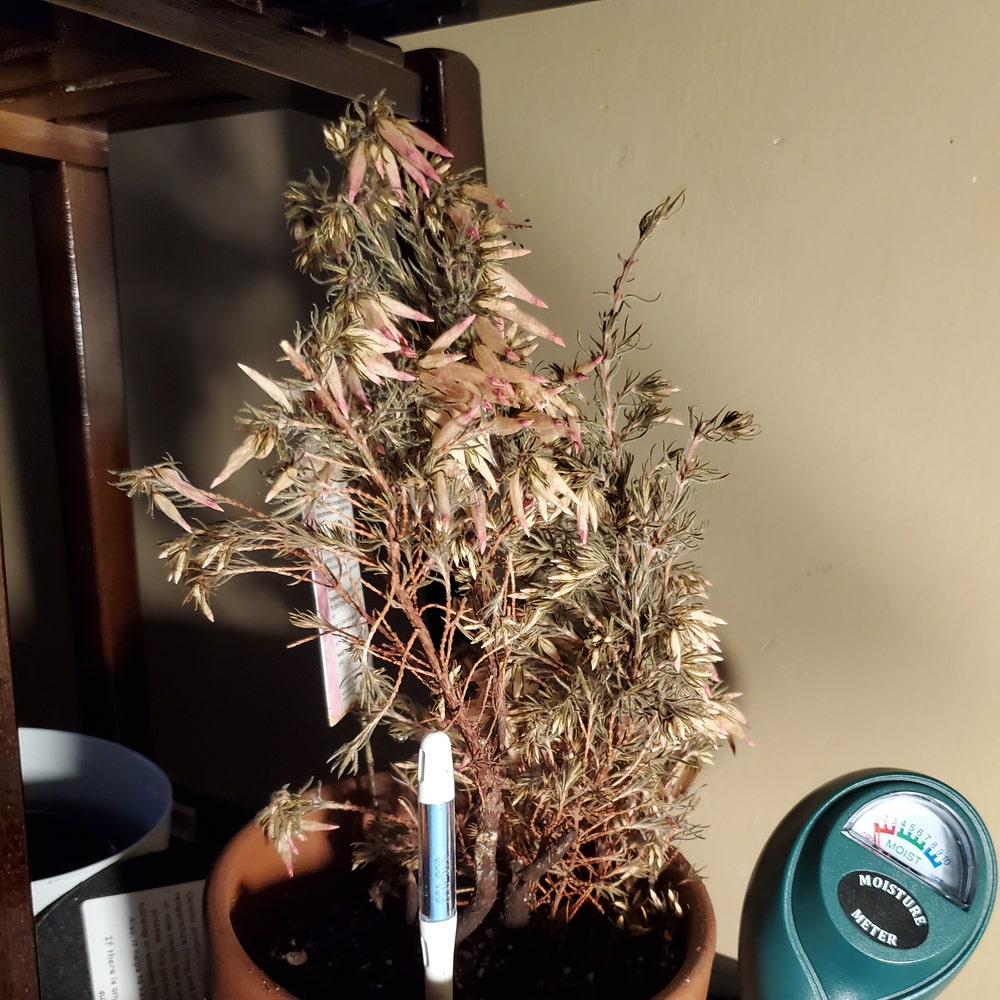
Recognizing unhealthy soil is crucial for maintaining a thriving heath garden. Look out for visual indicators such as moldy soil, which appears as white or gray fungal growth on the surface. This can signal overwatering or poor drainage.
Another sign is compacted soil, characterized by a hard, dense texture that restricts root growth. If your plants are struggling, it might be time to investigate the soil's condition.
🛠️ Common Soil Problems and Solutions
🦠 Mold and Fungal Issues
Mold and fungal growth often stem from overwatering or inadequate drainage. To combat this, improve drainage by amending the soil with materials like perlite, which enhances aeration.
Adjusting your watering schedule can also make a significant difference. Allow the soil to dry out between waterings to prevent mold from taking hold.
🚧 Soil Compaction
Soil compaction can occur due to heavy foot traffic or machinery. This issue can suffocate roots and hinder plant growth.
To alleviate compaction, aerate the soil using a garden fork or aerator. This process introduces air pockets, allowing roots to breathe and absorb nutrients more effectively. Reducing foot traffic in sensitive areas can also help maintain soil structure.
By identifying these signs and addressing common soil problems, you can create a healthier environment for your heath plants. Next, let’s explore how to create a homemade soil mix tailored for their needs.
Creating a Homemade Soil Mix
🌱 Step-by-Step Guide to Making a Soil Mix for Heath
Creating the perfect soil mix for heath plants is essential for their health and growth. Follow these simple steps to craft your own blend.
- Gather Ingredients: Start with peat moss, pine bark, perlite, and sulfur if you need to adjust pH.
- Mix Ratios: Combine the ingredients in the following proportions:
- 50% peat moss
- 30% pine bark
- 20% perlite
- Adjust pH: If your soil is too alkaline, incorporate sulfur to lower the pH.
- Blend Thoroughly: Mix everything well to ensure an even distribution of ingredients.
🧪 Recommended Ingredients for Homemade Heath Soil
Choosing the right components is crucial for a successful soil mix. Here’s a closer look at each ingredient:
Peat Moss: This is your go-to for adding acidity and retaining moisture. It creates a perfect environment for heath plants to thrive.
Pine Bark: It enhances drainage and aeration, preventing waterlogging and promoting healthy root growth.
Perlite: This lightweight material improves soil structure and helps prevent compaction, ensuring your plants have room to breathe.
By using these ingredients, you’ll create a soil mix that supports the unique needs of heath plants. With the right blend, your garden will flourish, showcasing the vibrant beauty of these resilient plants.
Ready to tackle any soil issues that may arise? Let’s move on to troubleshooting soil problems next!
Troubleshooting Soil Issues
🛠️ Solutions for Common Soil-Related Problems in Heath
Moldy soil can be a significant issue for heath plants. To tackle this, first, improve drainage by adjusting your watering schedule and mixing in perlite to enhance aeration.
If the problem persists, consider removing the affected soil and replacing it with a fresh mix. This ensures that your plants have a healthy environment to thrive.
⚖️ How to Amend Soil for pH Adjustments
Maintaining the right pH is crucial for the health of your heath plants. If you need to lower the pH, incorporate sulfur or peat moss into your soil mix.
Conversely, if you find the pH is too low, use lime sparingly while closely monitoring its effects. This careful approach helps maintain the ideal acidic conditions for your plants.
🐛 Dealing with Pests or Diseases Related to Soil Health
Soil-borne pests can wreak havoc on your heath plants. Common culprits include root aphids and nematodes, which can be tricky to identify but are detrimental to root health.
For treatment, consider using organic pesticides or beneficial nematodes. Additionally, improving overall soil health can deter these pests and promote a thriving garden.
With these troubleshooting tips, you can ensure your heath plants remain healthy and vibrant. Next, let’s explore how to create a homemade soil mix tailored specifically for heath.
⚠️ Safety First
This content is for general information and may contain errors, omissions, or outdated details. It is not medical, veterinary advice, or an endorsement of therapeutic claims.
Always consult a qualified healthcare professional before using any plant as food, medicine, or supplement.
Never eat any plant (or feed one to pets) without confirming its identity with at least two trusted sources.
If you suspect poisoning, call Poison Control (800) 222-1222, the Pet Poison Helpline (800) 213-6680, or your local emergency service immediately.
Spotted an error? Please report it here.
Cultivating a thriving heath garden 🌿 is easy when you use Greg's tailored soil care tips and reminders to create the perfect environment for your plants!