Best Humidity Levels for Heath 💧
Erica spp.
By the Greg Editorial Team
Nov 07, 2024•2 min read
This article was created with the help of AI so we can cover more plants for you. May contain errors. See one? Report it here.
Unlock vibrant Heath plant growth 🌿 by mastering their humidity needs for thriving health and beauty!
- 🌬️ Maintain relative humidity between 50% and 70% for optimal Heath growth.
- 📏 Use hygrometers or weather apps to easily measure local humidity levels.
- 🌱 Adjust humidity strategies based on seasonal changes and specific plant needs.
Humidity Needs of Heath
🌫️ Relative vs. Absolute Humidity
Understanding humidity is crucial for Heath plant care.
Relative humidity refers to the percentage of moisture in the air compared to the maximum amount the air can hold at a specific temperature.
In contrast, absolute humidity measures the actual amount of water vapor present in the air, expressed in grams per cubic meter.
Both types of humidity play a vital role in the health and growth of Heath plants, influencing their ability to absorb water and nutrients.
🌈 Ideal Humidity Levels
For optimal Heath growth, aim for a relative humidity range of 50% to 70%.
Humidity levels outside this range can lead to stress, affecting the plant's overall health and vitality.
Different varieties of Heath may have slightly varying humidity preferences, so it's essential to observe your specific plants closely.
🌍 Local Humidity Considerations
Measuring local humidity is straightforward with tools like hygrometers and weather apps.
Seasonal changes can significantly impact humidity levels, necessitating adjustments in your Heath plant care routine.
Tailoring your watering and humidity-boosting strategies to local climate conditions will help keep your plants thriving.
💧 Strategies for Boosting Humidity
To enhance humidity for indoor Heath care, consider using humidifiers.
Look for models that allow you to set specific humidity levels for optimal results.
Clustering Heath plants together can create a micro-humid environment, benefiting all plants involved.
You can also make pebble trays or use water bowls to increase humidity around your plants effectively.
🚪 Strategies for Reducing Humidity
Proper air circulation is essential to prevent excessive humidity.
Improving ventilation can help maintain a balanced environment for your Heath plants.
If humidity levels are too high, consider using dehumidifiers designed for plant care, and ensure your plants are placed in areas with good airflow.
📏 Humidity Monitoring
Monitoring humidity is key to maintaining plant health.
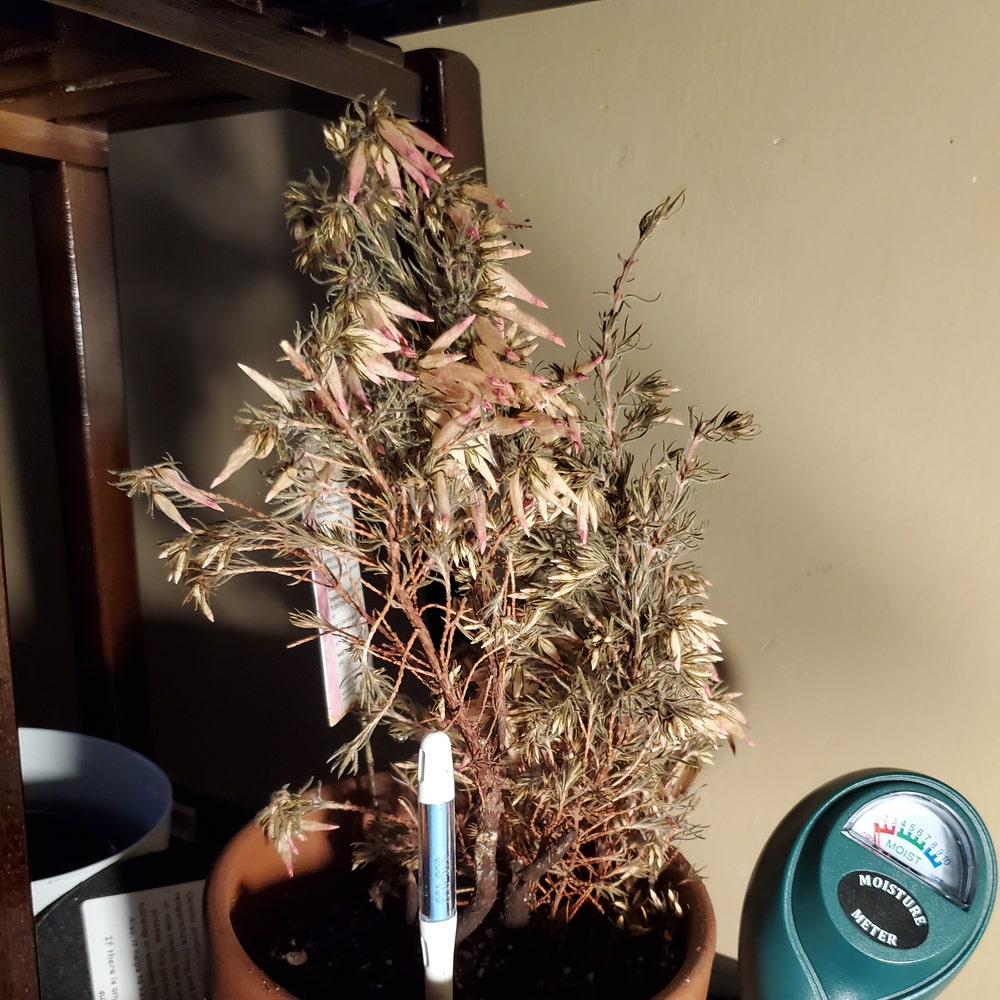
Use hygrometers and moisture meters to keep track of humidity levels in your space.
Watch for signs of humidity-related stress in your Heath plants, as timely intervention can make all the difference in their well-being.
By understanding and managing humidity, you can create a thriving environment for your Heath plants, setting the stage for their success.
⚠️ Safety First
This content is for general information and may contain errors, omissions, or outdated details. It is not medical, veterinary advice, or an endorsement of therapeutic claims.
Always consult a qualified healthcare professional before using any plant as food, medicine, or supplement.
Never eat any plant (or feed one to pets) without confirming its identity with at least two trusted sources.
If you suspect poisoning, call Poison Control (800) 222-1222, the Pet Poison Helpline (800) 213-6680, or your local emergency service immediately.
Spotted an error? Please report it here.
Keep your Heath plants thriving by mastering humidity levels with Greg's customized care tips 🌧️ that ensure your plants enjoy the ideal environment for growth!