🌼 6 Tips for Growing Heath Outdoors
Erica spp.
By the Greg Editorial Team
Nov 07, 2024•7 min read
This article was created with the help of AI so we can cover more plants for you. May contain errors. See one? Report it here.
Transform your garden with thriving Heath plants by mastering sunlight and watering essentials! 🌞🌿
- 🌞 Heath needs 6-8 hours of sunlight daily for optimal growth and flowering.
- 💧 Water weekly during growth, adjusting frequency in winter to prevent root rot.
- 🌱 Acidic, well-drained soil is essential; aim for pH 5.5 to 6.5 for thriving plants.
Sunlight and Watering Needs
🌞 Ideal Sunlight Conditions
Heath plants thrive best in full sun to partial shade. Aim for 6-8 hours of direct sunlight daily to ensure robust growth and vibrant flowering.
Insufficient sunlight can lead to weak plants with fewer blooms. If your Heath isn't getting enough light, you may notice a decline in its overall health.
💧 Watering Frequency and Techniques
Watering is crucial for Heath, especially during the growing season. Ideally, water once a week, reducing frequency in winter when the plant is dormant.
When watering, focus on the base of the plant to keep the foliage dry. This helps prevent fungal diseases that can arise from wet leaves.
🚰 Signs of Overwatering and Underwatering
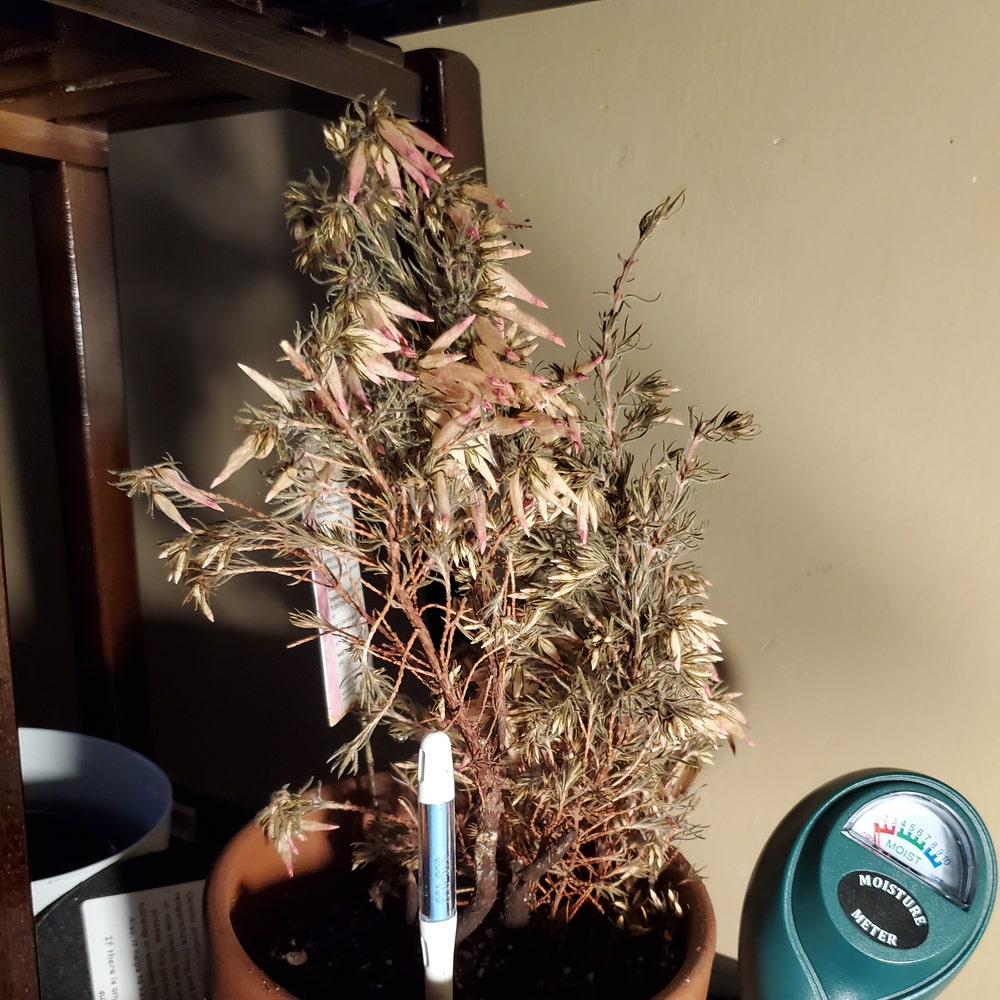
Recognizing the signs of overwatering is essential. Look for yellowing leaves and root rot, which indicate too much moisture.
On the flip side, underwatering manifests as wilting and dry foliage. Adjust your watering routine based on these symptoms to keep your Heath healthy and thriving.
With the right sunlight and watering practices, your Heath will flourish. Next, let’s explore the best soil preferences and fertilization techniques to support its growth.
Soil Preferences and Fertilization
Best Soil Types 🌱
Heath thrives in acidic, well-drained soils, which are essential for its growth. Aim for a soil pH between 5.5 and 6.5 to create the perfect environment for your plants.
To enhance drainage, consider incorporating soil amendments like peat moss or pine bark. These additions not only improve soil structure but also help retain necessary moisture.
Recommended Fertilizers and Application Methods 🌿
When it comes to fertilization, choose acidic, slow-release fertilizers for optimal results. Applying these fertilizers in early spring and mid-summer will support healthy growth throughout the growing season.
Always follow the dosage guidelines on the fertilizer package for the best outcomes. This ensures your Heath receives the right nutrients without the risk of over-fertilization, which can harm your plants.
With the right soil and fertilization practices, your Heath will flourish, setting the stage for successful outdoor growth. Next, let’s explore the various planting options available, including the benefits and drawbacks of container versus ground planting.
Planting Options: Container vs. Ground
🌱 Benefits of Container Planting
Container planting offers remarkable flexibility. You can easily move pots to ensure your Heath gets the optimal sunlight exposure it craves.
Managing soil conditions is simpler in containers. This control allows you to tailor drainage and nutrient levels to suit your plants perfectly.
Additionally, decorative pots can enhance your garden's aesthetic appeal. They provide a stylish way to showcase your Heath while adding character to your outdoor space.
🌍 Advantages of Ground Planting
Ground planting creates a natural growth environment. This method promotes better root establishment and moisture retention, essential for healthy plants.
It also supports long-term sustainability. Once established, ground-planted Heath requires less frequent watering and fertilization, making it a low-maintenance option.
Moreover, planting in the ground can attract local wildlife. This not only supports ecosystems but also adds life and vibrancy to your garden.
⚖️ Drawbacks of Each Method
Container planting does come with some drawbacks. Limited root space can lead to stunted growth, restricting your plant's potential.
Additionally, containers tend to dry out faster. This means you'll need to water more frequently, which can be a hassle during hot summer months.
On the other hand, ground planting has its challenges too. Soil quality can be a concern, as poor drainage may lead to root rot.
You also have less control over pests and diseases in the ground. This can make it trickier to manage infestations compared to container gardening.
In conclusion, both planting methods have their pros and cons. Choosing between container and ground planting ultimately depends on your gardening goals and the specific conditions of your outdoor space.
Protection from Weather and Pests
🌧️ Strategies for Weather Protection
Protecting your Heath plants from the elements is crucial for their health and growth. Here are some effective weather protection techniques:
Mulching: This method insulates roots and helps retain moisture, which is essential during dry spells. A layer of organic mulch can also suppress weeds, giving your plants a better chance to thrive.
Windbreaks: Installing barriers, such as fences or hedges, can shield your plants from strong winds. This is particularly important in exposed areas where wind can damage delicate foliage.
Frost Protection: Covering your plants during unexpected cold snaps can prevent frost damage. Use cloths or frost blankets to shield them, especially during the night when temperatures drop.
🐛 Common Outdoor Pests and Control Methods
Identifying and managing pests is vital for maintaining healthy Heath plants. Here are some common culprits and how to deal with them:
Aphids: These small insects can cause significant damage by sucking sap from your plants. Look for curled leaves or sticky residue as signs of an infestation.
Spider Mites: Often found on the undersides of leaves, spider mites can create fine webbing and cause leaf discoloration. Regularly check your plants for these tiny pests.
For control methods, consider these options:
Organic Options: Neem oil and insecticidal soap are effective treatments that minimize harm to beneficial insects. Apply these solutions according to package instructions for best results.
Cultural Practices: Encouraging beneficial insects, like ladybugs, can help keep pest populations in check. Planting a diverse garden can attract these helpful allies.
🦠 Diseases and Prevention Tips
Keeping your Heath plants disease-free requires vigilance and proactive care. Here are some common diseases and how to prevent them:
Root Rot: This condition often arises from poor drainage. Ensure your plants are in well-draining soil to prevent water from accumulating around the roots.
Fungal Infections: Look for signs like discolored leaves or unusual growths. Early detection is key, so inspect your plants regularly.
To prevent diseases, implement these strategies:
Regular Inspections: Check your plants frequently for any signs of distress. Early detection can make a significant difference in treatment success.
Maintaining Plant Health: Proper watering and fertilization are essential. Healthy plants are more resilient against diseases, so keep them well-nourished.
By implementing these protective measures, you can ensure your Heath plants thrive despite the challenges posed by weather and pests. Up next, we’ll explore how to care for your plants through the changing seasons.
Seasonal Care and Climate Considerations
🌱 Seasonal Changes and Their Impact
Adjusting your care routine according to the seasons is crucial for the health of your Heath plants.
- Spring: This is the time for fertilization and pruning to encourage new growth.
- Summer: Increase your watering frequency and keep an eye out for pests.
- Fall: Prepare your plants for winter dormancy by reducing watering and cleaning up debris.
- Winter: Minimal care is needed, but protective strategies should be in place to shield your plants from harsh conditions.
🌍 Special Considerations for Climate Zones
Heath plants are adaptable and can thrive in USDA zones 5-9.
- Colder Regions: Focus on mulching and frost protection to safeguard against freezing temperatures.
- Warmer Climates: Provide shade and ensure moisture retention to prevent stress on your plants.
❄️ Tips for Winterizing Plants
Winterizing your Heath plants is essential for their survival through the colder months.
- Mulching: Apply a layer of mulch to protect roots from freezing.
- Pruning: Remove any dead or damaged growth before winter sets in.
- Watering: Ensure your plants have adequate moisture before the ground freezes.
By following these seasonal care tips, you can help your Heath thrive year-round, setting the stage for vibrant growth in the warmer months ahead. Next, let’s explore effective strategies for protecting your plants from weather extremes and pests.
⚠️ Safety First
This content is for general information and may contain errors, omissions, or outdated details. It is not medical, veterinary advice, or an endorsement of therapeutic claims.
Always consult a qualified healthcare professional before using any plant as food, medicine, or supplement.
Never eat any plant (or feed one to pets) without confirming its identity with at least two trusted sources.
If you suspect poisoning, call Poison Control (800) 222-1222, the Pet Poison Helpline (800) 213-6680, or your local emergency service immediately.
Spotted an error? Please report it here.
Transform your outdoor space with thriving Heath plants 🌱 by using Greg for personalized watering reminders and tailored care plans that fit your unique environment!