Top 9 Signs Your Heath Needs Pollination 🐝
Erica spp.
By the Greg Editorial Team
Nov 07, 2024•7 min read
This article was created with the help of AI so we can cover more plants for you. May contain errors. See one? Report it here.
Uncover how Heath flowers' unique traits boost biodiversity and support thriving ecosystems! 🌼
- 🌼 Heath flowers attract pollinators with their vibrant colors and bell-shaped structure.
- 🐝 Self-pollination ensures seed production, while cross-pollination boosts genetic diversity.
- 🌱 Creating a pollinator-friendly environment enhances Heath plant health and biodiversity.
Flower Structure
🌸 Description of Flower Characteristics
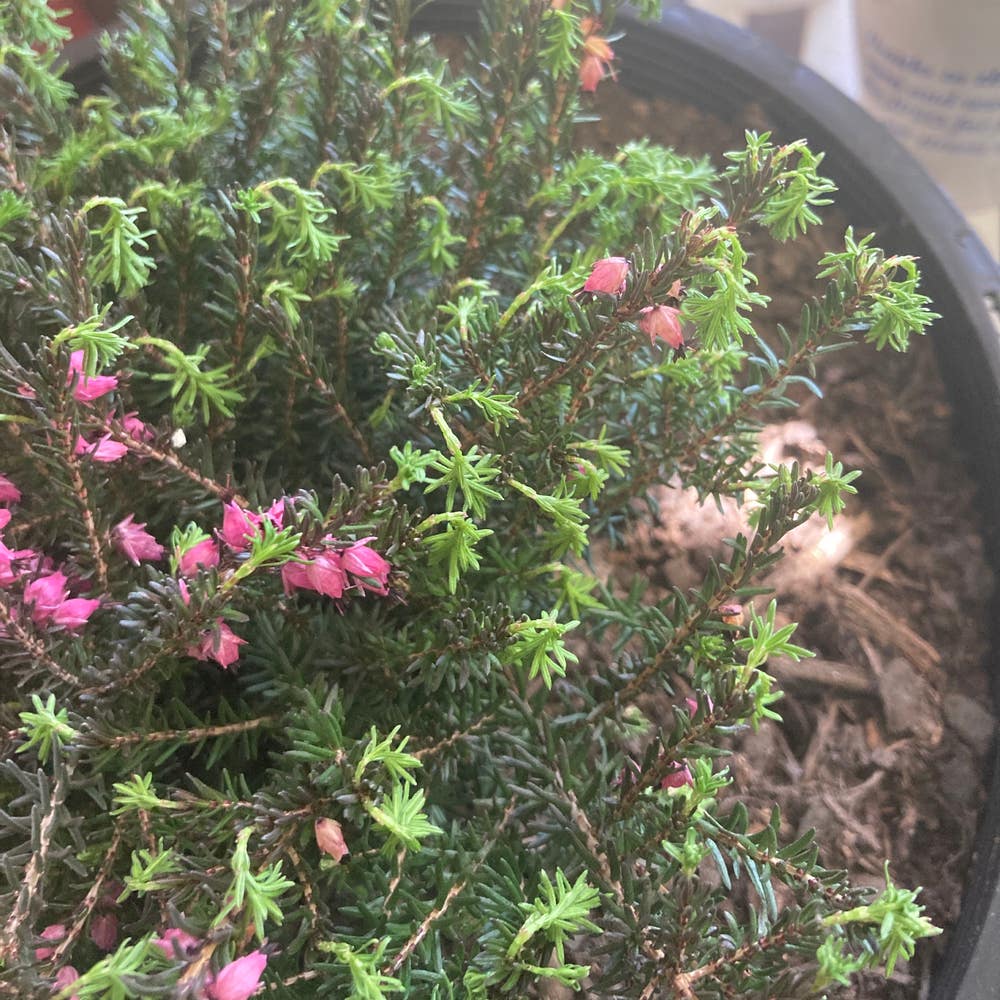
Heath flowers are often characterized by their bell-shaped structure, typically showcasing shades of pink or white. This unique shape not only adds beauty but also plays a crucial role in attracting pollinators.
The arrangement of these flowers is typically clustered, which enhances their visibility to various pollinators. This strategic positioning ensures that pollinators can easily locate and access the flowers.
When it comes to sepals and petals, Heath flowers usually have five petals that are fused at the base, creating a tubular shape. The sepals, often green and leaf-like, protect the flower bud before it blooms.
In terms of reproductive parts, Heath flowers feature both male and female components. The stamens, which are the male parts, produce pollen, while the pistils serve as the female parts, receiving pollen for fertilization.
🐝 Role of Flower Characteristics in Pollination
The shape and color of Heath flowers are specifically designed to attract certain pollinator species. Bright colors and appealing shapes signal to pollinators that nectar is available, encouraging them to visit.
Additionally, the clustered arrangement of flowers maximizes exposure to pollinators, increasing the likelihood of successful visits. This adaptation is vital for both self-pollination and cross-pollination, ensuring genetic diversity and robust plant health.
Heath flowers have also developed features that enhance their ability to self-pollinate. This means that even in the absence of pollinators, they can still produce seeds, ensuring their survival in less favorable conditions.
Understanding these characteristics helps us appreciate the intricate relationship between Heath flowers and their pollinators. This connection is essential for maintaining healthy ecosystems and promoting biodiversity.
As we delve deeper into the pollination process, we will explore how these flowers utilize both self-pollination and cross-pollination to thrive.
Pollination Process
Self-Pollination 🌼
Heath plants have a remarkable ability to self-pollinate, which occurs when pollen from the stamens fertilizes the pistils of the same flower. This process typically happens under favorable conditions, such as when flowers are fully open and environmental factors like temperature and humidity are optimal.
Self-pollination offers significant benefits for plant health. It ensures seed production even in the absence of pollinators, contributing to genetic stability and resilience in varying conditions.
Cross-Pollination 🐝
While self-pollination is efficient, cross-pollination enhances genetic diversity. Heath plants attract a variety of primary pollinators, including bees, butterflies, moths, and hummingbirds, each playing a vital role in the pollination process.
These pollinators are drawn to Heath through vibrant colors, enticing scents, and abundant nectar. The combination of these traits creates a welcoming environment, ensuring that these essential species are engaged in the pollination process.
Understanding both self-pollination and cross-pollination is crucial for appreciating the intricate relationships between Heath plants and their pollinators. This knowledge sets the stage for exploring the natural mechanisms that facilitate successful pollination.
Natural Pollination
🌬️ Pollen Transfer Mechanisms
Pollination is a dynamic process that varies throughout the seasons. Typically, it peaks in spring and summer when flowers are in full bloom, providing ample opportunities for pollinators to thrive.
Pollen transfer occurs through several mechanisms. Wind can carry pollen from one flower to another, but insects play a more significant role. Insects, such as bees and butterflies, actively collect pollen while feeding on nectar, ensuring effective transfer. Gravity also aids in this process, allowing pollen to fall onto receptive flower parts.
🌼 Importance of Pollination
Successful pollination is crucial for seed set and genetic variation in plants. When pollen fertilizes a flower's ovule, it leads to seed development, which is essential for the plant's reproduction.
Heath plants are vital to ecosystems as they support biodiversity. By providing nectar and pollen, they attract various pollinators, which in turn helps maintain healthy populations of these species. This interconnectedness highlights the ecological significance of Heath in promoting a balanced environment.
In summary, understanding natural pollination mechanisms and their importance can inspire us to appreciate and protect these essential processes. Next, we will explore hand pollination techniques to further enhance plant health and productivity.
Hand Pollination
Hand pollination can be a rewarding way to ensure your Heath plants thrive. This method allows you to take control of the pollination process, especially when natural pollinators are scarce.
🌸 Step 1: Identifying Male and Female Flower Parts
Start by recognizing the male and female components of the flowers. The male parts, called stamens, produce pollen, while the female parts, known as pistils, receive it.
🌼 Step 2: Collecting Pollen
Next, gather pollen from the male flowers. You can do this by gently shaking the flower or using a small brush to collect the pollen grains.
🌿 Step 3: Transferring Pollen
Once you have the pollen, it’s time to transfer it to the female flowers. Lightly dust the pollen onto the stigma of the pistil, ensuring good contact for fertilization.
⏰ Step 4: Ensuring Successful Fertilization
Timing is crucial for successful fertilization. Pollinate during the early morning or late afternoon when flowers are most receptive, and ensure the conditions are warm and dry for optimal results.
Hand pollination not only boosts seed production but also enhances genetic diversity in your plants. By taking these steps, you contribute to the health of your Heath and the ecosystem around it.
Next, let’s explore how to create a pollinator-friendly environment to support these vital species.
Supporting Pollinators
🌼 Creating a Pollinator-Friendly Environment
Designing a garden that attracts pollinators is both rewarding and essential. Start by incorporating a variety of native plants, as they are specifically adapted to local conditions and provide the best resources for pollinators.
Diverse flower types are crucial for attracting different species. Aim for a mix of colors, shapes, and bloom times to ensure that there’s always something in flower throughout the growing season. This diversity not only supports pollinators but also enhances the beauty of your garden.
🌿 Companion Plants
Companion planting can significantly boost pollinator activity around Heath. Consider adding plants like lavender, echinacea, or bee balm, which are known to attract bees and butterflies.
To provide continuous nectar sources, choose plants that bloom at different times. For example, early bloomers like crocus can provide food in spring, while late bloomers like asters can sustain pollinators into the fall. This strategy ensures that your garden remains a vibrant haven for pollinators year-round.
By creating a welcoming environment and selecting the right companion plants, you can play a vital role in supporting pollinator populations. This not only benefits your garden but also contributes to the overall health of our ecosystems.
As we explore the challenges faced by pollinators, understanding how to mitigate these obstacles will further enhance your efforts in supporting these essential creatures.
Pollination Challenges
Common Obstacles 🐝
Pollination faces several challenges that can hinder plant reproduction. Environmental factors like temperature fluctuations, humidity levels, and habitat loss significantly impact pollination success.
Urbanization and pesticide use have led to a decline in pollinator species. This lack of pollinators can create a ripple effect, reducing the chances of successful fertilization for plants like Heath.
Solutions for Overcoming Challenges 🌼
Improving pollinator habitats is essential for encouraging their presence. Planting native species and creating diverse ecosystems can attract a variety of pollinators.
Adjusting care practices can also enhance pollination success. Reducing pesticide use and providing consistent water sources can create a more welcoming environment for these vital creatures.
By taking these steps, we can support pollinators and ensure the health of our ecosystems. Let's explore how to create a pollinator-friendly environment next.
⚠️ Safety First
This content is for general information and may contain errors, omissions, or outdated details. It is not medical, veterinary advice, or an endorsement of therapeutic claims.
Always consult a qualified healthcare professional before using any plant as food, medicine, or supplement.
Never eat any plant (or feed one to pets) without confirming its identity with at least two trusted sources.
If you suspect poisoning, call Poison Control (800) 222-1222, the Pet Poison Helpline (800) 213-6680, or your local emergency service immediately.
Spotted an error? Please report it here.
Boost your Heath's pollination success 🌼 with Greg's tailored care reminders and tips, ensuring your plants thrive and contribute to a vibrant ecosystem!