💧 Ultimate Guide to Watering Your Heath
Erica spp.
By the Greg Editorial Team
Nov 07, 2024•5 min read
This article was created with the help of AI so we can cover more plants for you. May contain errors. See one? Report it here.
Unlock the secret to thriving Heath plants 🌱 with expert watering tips that ensure vibrant growth year-round!
- 💧 Over-watering causes yellow leaves and root rot; balance is key for Heath plants.
- 🌱 Under-watering leads to dry, crispy leaves; check soil moisture regularly for health.
- 🥤 Bottom-watering promotes healthy growth; soak pots in water for 30 minutes.
Recognizing Watering Issues
🚰 Signs of Over-Watering
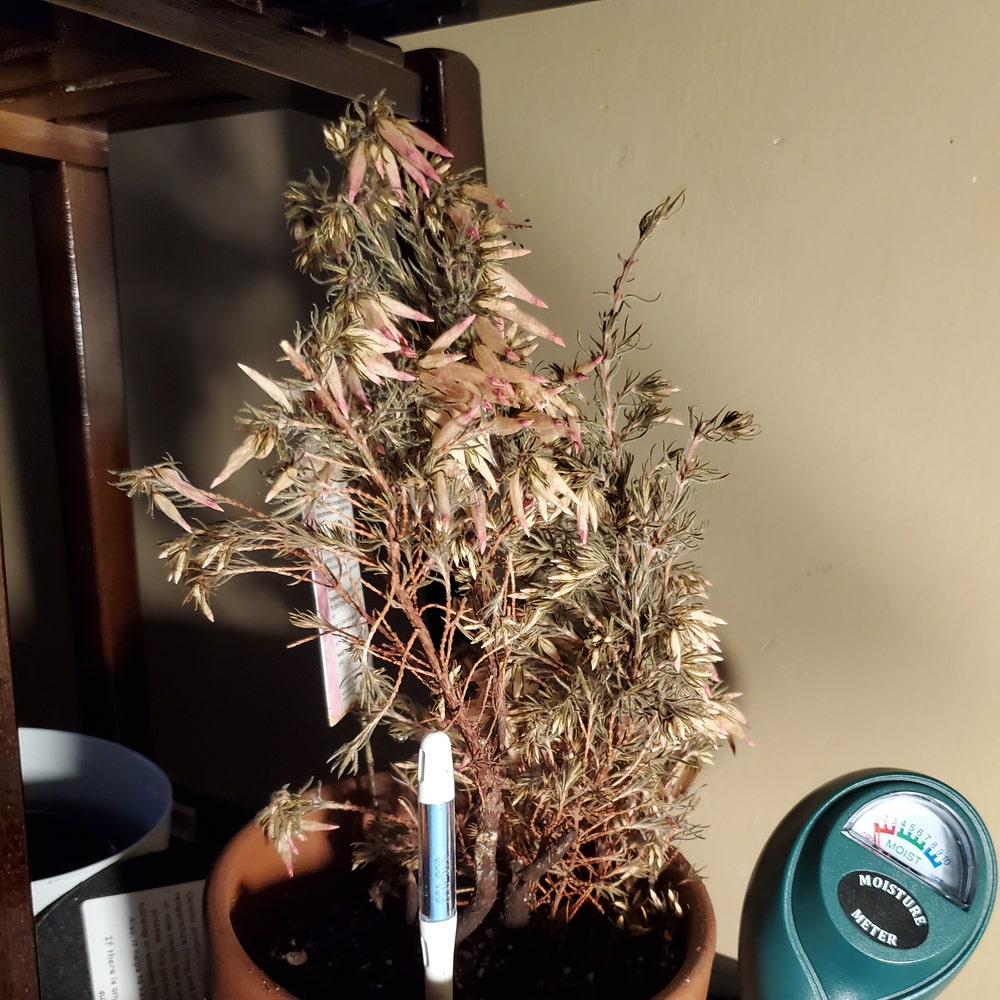
Over-watering can be a silent killer for your Heath plants. Watch for yellowing leaves, which may drop off as a distress signal.
Another red flag is wilting despite moist soil. Your plant might look sad and droopy even when the soil feels wet.
Inspect the roots for rot; dark, mushy roots and a foul odor from the soil indicate serious trouble. Lastly, if you spot mold growth on the soil surface, it’s time to reassess your watering habits.
💧 Signs of Under-Watering
Under-watering presents its own set of challenges. Look for dry, crispy leaves that signal your plant is parched and in need of hydration.
Wilting is another clear sign; plants may droop and lose turgor pressure when they’re thirsty. If you notice soil pulling away from the pot edges, it’s a telltale sign of excessive dryness.
Additionally, keep an eye out for flower drop, where buds or flowers fall prematurely, indicating your plant is struggling to survive.
Understanding these signs will help you maintain a healthy watering routine for your Heath plants. Next, let’s explore effective watering techniques to ensure your plants thrive.
Watering Techniques
Bottom-Watering Method 🌊
Bottom-watering is a simple yet effective technique that allows your Heath plants to absorb moisture directly from the roots. This method minimizes the risk of over-watering while promoting healthy root growth.
Steps for Bottom-Watering
- Fill a shallow tray with water.
- Place the pot in the tray, ensuring the drainage holes are submerged.
- Allow the plant to absorb water for 30 minutes.
- Remove the pot and let any excess water drain out.
This straightforward approach not only keeps your plants hydrated but also encourages deeper root systems, which is crucial for their overall health.
Using Self-Watering Pots 💧
Self-watering pots are a fantastic option for those looking to simplify their plant care routine. These containers come equipped with a reservoir that provides consistent moisture, making them ideal for Heath plants.
Advantages for Heath Plants
- Maintains optimal moisture levels without the need for frequent watering.
- Reduces the risk of root rot due to over-saturation, ensuring your plants thrive.
Recommendations for Selecting Self-Watering Pots
When choosing self-watering pots, look for options that have adequate drainage and are specifically designed for acidic soil. This will ensure your Heath plants receive the best care possible while minimizing the chances of water-related issues.
With these watering techniques in your toolkit, you'll be well-equipped to keep your Heath plants healthy and flourishing. Next, let’s explore how to measure soil moisture effectively to ensure your plants are getting just the right amount of water.
Measuring Soil Moisture
🌱 How to Check Soil Moisture Levels
Understanding soil moisture is crucial for keeping your Heath plants healthy. Start with a visual inspection: dark, damp soil typically indicates adequate moisture.
Next, try the finger test. Insert your finger into the soil up to the second knuckle; if it feels dry, it's time to water.
Also, pay attention to the soil's appearance. If you notice cracks or the soil pulling away from the pot edges, these are signs of excessive dryness.
📏 Tools for Measuring Soil Moisture
For a more precise approach, consider using moisture meters. These digital or analog devices provide accurate readings, helping you avoid guesswork.
If you prefer a DIY method, grab a wooden stick or chopstick. Insert it into the soil and check for dampness; this simple tool can give you a good indication of moisture levels.
For Heath plants, aim for soil that is consistently moist but not waterlogged. This balance is essential for promoting healthy growth and preventing root issues.
With these techniques and tools, you'll be well-equipped to monitor your plant's moisture needs effectively. Next, let’s explore how to create a watering schedule that fits your Heath's unique requirements.
Watering Schedule and Reminders
🌱 Creating a Watering Schedule Using the Greg Plant Care App
The Greg plant care app is a game-changer for plant enthusiasts. This AI-powered tool sends you reminders tailored to your Heath plants' specific needs.
To set up your watering schedule, simply input the type of plant and its growth stage. The app will adjust reminders based on seasonal changes and growth phases, ensuring your plants get the right amount of water at the right time.
☀️ Seasonal Adjustments to Watering Frequency
Understanding how to adjust your watering frequency with the seasons is crucial for healthy Heath plants.
Winter
During winter, reduce your watering frequency. The cooler temperatures and lower evaporation rates mean your plants need less moisture, so keep an eye out for signs of over-watering.
Spring
As spring arrives, it's time to ramp up your watering. Your Heath plants will enter their active growth and blooming phases, requiring more water to thrive.
Summer
In the summer, maintaining consistent moisture is key. Summer Heath varieties may demand extra water during hot months, so be vigilant about their hydration needs.
Fall
As temperatures drop and growth slows, gradually decrease your watering. This adjustment helps prepare your plants for the dormancy of winter.
By following these guidelines and utilizing the Greg app, you can ensure your Heath plants receive the care they need throughout the year. This proactive approach will lead to healthier, more vibrant plants, setting the stage for the next section on measuring soil moisture.
⚠️ Safety First
This content is for general information and may contain errors, omissions, or outdated details. It is not medical, veterinary advice, or an endorsement of therapeutic claims.
Always consult a qualified healthcare professional before using any plant as food, medicine, or supplement.
Never eat any plant (or feed one to pets) without confirming its identity with at least two trusted sources.
If you suspect poisoning, call Poison Control (800) 222-1222, the Pet Poison Helpline (800) 213-6680, or your local emergency service immediately.
Spotted an error? Please report it here.
Keep your Heath plants thriving 🌱 by using Greg's tailored watering schedule to avoid root rot and ensure they get the moisture they need all year round!