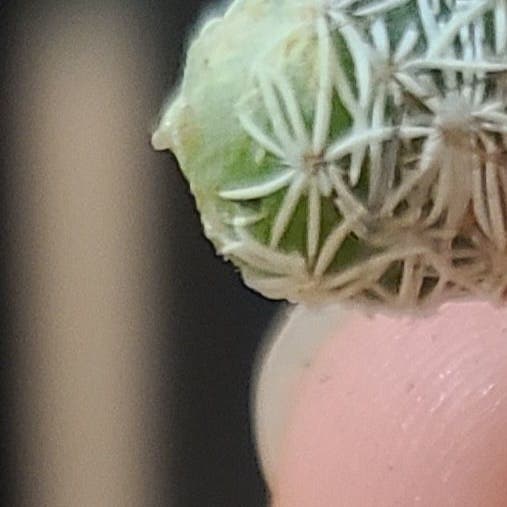
🌵 5 Ideal Locations to Plant Cory Cactus
Coryphantha delicata
By the Greg Editorial Team
Sep 28, 2024•5 min read
This article was created with the help of AI so we can cover more plants for you. May contain errors. See one? Report it here.
Transform your garden with a thriving Cory Cactus 🌵 by mastering its sunlight, soil, and placement needs!
- 🌞 Cory Cactus needs 6-8 hours of direct sunlight for optimal growth.
- 🌿 Well-draining, sandy soil prevents root rot and supports healthy growth.
- 🏡 Map sunlight patterns to find the best planting spots for your cactus.
Ideal Locations for Delicate Cory Cactus
🌞 Sunlight Exposure Requirements
Delicate Cory Cactus thrives in full sun, requiring 6-8 hours of direct sunlight daily. In hotter climates, it can tolerate partial shade, flourishing in dappled sunlight.
Signs that your cactus isn’t getting enough light include etiolated growth and pale coloration. If you notice these symptoms, it’s time to rethink its placement.
🌱 Soil Type Preferences
For optimal growth, Cory Cactus needs well-draining soil to prevent root rot. The ideal composition includes sandy or rocky soil enriched with organic matter.
Aim for a pH level between 6.0 and 7.0, which is slightly acidic to neutral. To enhance drainage, consider incorporating perlite or coarse sand into your soil mix.
🌿 Proximity to Other Plants or Structures
Planting your Cory Cactus in clusters can enhance its visual appeal. It pairs well with other drought-tolerant plants, creating a stunning display.
However, avoid overcrowding to ensure adequate air circulation and growth. This will help your cactus thrive without competing for resources.
With the right sunlight, soil, and spacing, your Cory Cactus will flourish beautifully. Next, let’s explore how to assess the best spot for your cactus in your garden.
Assessing the Best Spot
🌞 Evaluating Garden Layout
Mapping sunlight patterns is crucial for your delicate Cory cactus. Spend some time observing how sunlight moves across your garden throughout the day.
Identify potential planting zones that receive consistent sunlight and have good drainage. These areas will be the best spots for your cactus to thrive.
Accessibility is another key factor. Ensure that your planting zones are easy to reach for maintenance and watering.
🌤️ Identifying Microclimates
Understanding microclimates can significantly impact your cactus's health. These are areas within your garden that may have different climate conditions due to various factors.
Consider elements like shade from trees, heat radiating from walls, and wind exposure. Ideal microclimates for your Cory cactus are warm, sheltered spots that receive ample sunlight.
🌬️ Considering Wind Protection
Wind protection is vital for the well-being of your delicate cacti. Strong winds can easily damage them, so it's essential to create a shield.
Utilize natural barriers such as shrubs or fences to protect your plants from prevailing winds. This simple step can make a big difference in their growth and longevity.
With the right spot assessed, you’re one step closer to creating a thriving environment for your Cory cactus. Next, let’s dive into the differences between indoor and outdoor planting to maximize your cactus's potential.
Indoor vs. Outdoor Planting
Best Indoor Locations 🌞
For your delicate Cory cactus, the best indoor spots are south-facing windows or other bright, well-lit areas. These locations provide the essential sunlight that your cactus craves, ensuring it thrives.
Avoid placing your cactus near drafts, such as open windows or air conditioning vents. These can stress the plant and hinder its growth, so keep it cozy and sheltered.
Outdoor Site Selection Tips 🌳
When selecting an outdoor location, prioritize areas that receive full sun and have good airflow. This combination is crucial for the health of your cactus, allowing it to soak up the sunlight it needs.
Be mindful to avoid low-lying spots in your garden. These areas can trap water, leading to poor drainage and potential root rot, which is detrimental to your cactus's health.
With the right indoor or outdoor setup, your Cory cactus can flourish beautifully. Next, let’s explore drainage considerations to ensure your cactus remains healthy and vibrant.
Drainage Considerations
Importance of Drainage for Cacti 🌵
Proper drainage is crucial for the health of your cacti. Overwatering is a primary cause of cactus decline, leading to root rot and other issues.
Signs of poor drainage include yellowing or mushy stems and stunted growth. If you notice these symptoms, it’s time to reassess your planting conditions.
How to Improve Soil Drainage 💧
To enhance drainage, consider mixing in soil amendments like sand, gravel, or perlite. These materials create air pockets that allow excess water to escape, keeping your cactus roots healthy.
Another effective method is creating raised beds. Elevated planting areas facilitate water runoff, preventing water accumulation around your delicate Cory Cactus.
Understanding and addressing drainage needs will set your cacti up for success. With the right conditions, they can thrive and bring beauty to your garden.
Next, let’s explore seasonal considerations to ensure your cacti continue to flourish throughout the year.
Seasonal Considerations
🌞 Seasonal Sun Exposure Changes
Understanding how sunlight shifts throughout the year is crucial for your delicate Cory Cactus. Regularly track sun patterns to see how exposure varies with the seasons.
Adjust your planting locations accordingly. Moving pots or rearranging your garden layout can help ensure your cactus receives optimal sunlight year-round.
🌦️ Adjusting Location Based on Weather Patterns
Stay vigilant about local weather conditions. Being aware of temperature fluctuations and storm patterns can significantly impact your cactus's health.
Prepare for extreme conditions by relocating your plants to sheltered areas during harsh weather events. This proactive approach can protect your Cory Cactus from potential damage and ensure its thriving growth.
As you consider these seasonal factors, remember that a little attention can go a long way in nurturing your cactus. Next, let’s explore the importance of drainage for your plants.
⚠️ Safety First
This content is for general information and may contain errors, omissions, or outdated details. It is not medical, veterinary advice, or an endorsement of therapeutic claims.
Always consult a qualified healthcare professional before using any plant as food, medicine, or supplement.
Never eat any plant (or feed one to pets) without confirming its identity with at least two trusted sources.
If you suspect poisoning, call Poison Control (800) 222-1222, the Pet Poison Helpline (800) 213-6680, or your local emergency service immediately.
Spotted an error? Please report it here.
Ensure your delicate Cory Cactus finds its perfect sunny spot 🌵 with Greg's tailored tips for optimal growth and care!