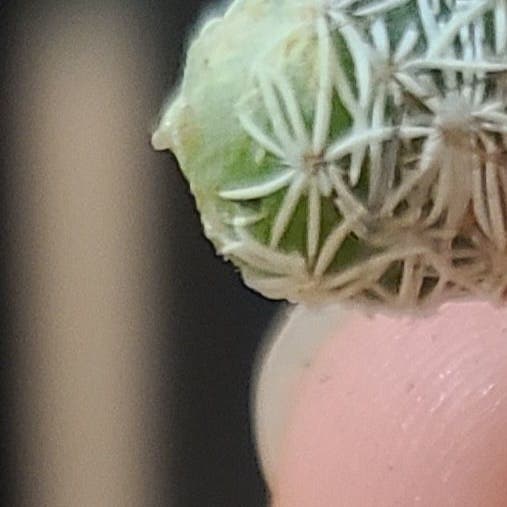
🌵 Where Can Cory Cactus Grow? Zones 9a-11b
Coryphantha delicata
By the Greg Editorial Team
Sep 28, 2024•5 min read
This article was created with the help of AI so we can cover more plants for you. May contain errors. See one? Report it here.
Master temperature tolerance 🌡️ for Delicate Cory Cactus and unlock your garden's potential with thriving growth!
- 🌵 Delicate Cory Cactus thrives in USDA zones 9a-11b, ideal for warmer climates.
- ☀️ Requires full sun exposure (6-8 hours daily) for optimal growth and health.
- 🌡️ Tolerates temperatures from 20°F to 100°F, but is frost-sensitive.
Temperature Tolerance of Delicate Cory Cactus
❄️ Cold Tolerance Specifics
Delicate Cory Cactus can withstand temperatures as low as 20°F (-6°C). However, it is sensitive to frost, which can cause significant damage, including discoloration and wilting.
Understanding the timing of first and last frost dates is crucial for successful planting. This knowledge helps ensure that your cactus is safe from frost damage during vulnerable periods.
🔥 Heat Tolerance Specifics
On the flip side, Delicate Cory Cactus thrives in scorching temperatures, comfortably enduring up to 100°F (38°C) and even higher. Its unique adaptations, such as specialized water storage and thick skin, enable it to survive extreme heat.
These features make it an excellent choice for warmer climates, allowing it to flourish where many other plants might struggle.
With a solid grasp of temperature tolerances, you can confidently explore the ideal regions for growing Delicate Cory Cactus.
Ideal Regions for Growing Delicate Cory Cactus
🌎 Examples of US States in Suitable Zones
Delicate Cory Cactus thrives in USDA zones 9a-11b, making several states ideal for its growth. Key states include California, Arizona, Texas, Florida, and parts of Nevada, each offering unique regions that cater to this cactus's needs.
In California, the southern coast and desert areas provide the perfect warm climate. Arizona's Sonoran Desert is another hotspot, with its dry conditions being particularly beneficial. Texas has regions like the Big Bend area, while Florida's southern parts offer the humidity balance needed for success. Nevada's warmer valleys also present opportunities for cultivation.
🌱 Factors Contributing to Ideal Growing Conditions
For Delicate Cory Cactus to flourish, specific growing conditions are essential. First and foremost, well-draining soil is crucial; this cactus can't tolerate soggy roots.
Climate plays a significant role as well. Warm, dry conditions with low humidity are ideal, allowing the cactus to thrive without stress. Additionally, full sun exposure—about 6 to 8 hours daily—is necessary for optimal growth. This combination of factors creates a nurturing environment for the cactus, ensuring it reaches its full potential.
Understanding these ideal conditions can help you successfully cultivate Delicate Cory Cactus in your garden. With the right location and care, you can enjoy the beauty of this resilient plant.
As we explore further, let’s dive into how microclimates can enhance your cactus-growing experience.
Microclimates and Their Impact
🌍 How Microclimates Can Extend Growing Range
Microclimates can be a game-changer for growing Delicate Cory Cactus. These localized areas often have different climatic conditions than the surrounding environment, providing essential protection from frost and enhancing warmth.
One of the primary benefits of microclimates is their ability to shield cacti from unexpected cold snaps. For instance, planting near a south-facing wall can absorb heat during the day and release it at night, creating a warmer environment for your cactus.
To effectively utilize microclimates, consider the following strategies:
- Choose the Right Location: Look for spots that receive maximum sunlight and are sheltered from harsh winds.
- Use Protective Structures: Greenhouses or cold frames can create a controlled environment, extending the growing season.
- Incorporate Heat-Absorbing Materials: Surround your cactus with stones or bricks that retain heat, helping to maintain a stable temperature.
By leveraging these microclimate strategies, you can successfully grow Delicate Cory Cactus even outside their typical hardiness zones. This adaptability not only enhances your gardening experience but also allows for a more diverse plant collection.
As we explore the ideal regions for growing Delicate Cory Cactus, understanding these microclimates will be crucial in maximizing your success.
State-Level Suitability Analysis
List of States in Zones 9a-11b 🌵
If you're looking to grow Delicate Cory Cactus, you're in luck! Several states fall within USDA zones 9a-11b, making them ideal for this resilient plant.
California: Particularly in Southern California, regions like San Diego and Los Angeles offer the warm, dry climate that cacti thrive in.
Arizona: The desert areas, especially around Phoenix and Tucson, provide perfect conditions with plenty of sunlight and minimal humidity.
Texas: Look to the southern parts, such as the Rio Grande Valley, where temperatures are consistently warm.
Florida: The southern regions, including Miami, boast the right warmth and humidity balance for healthy cactus growth.
Nevada: Areas like Las Vegas experience the heat and dryness that Delicate Cory Cactus loves.
These states not only provide the right temperature but also the necessary sunlight and soil conditions for optimal growth.
States Not Suitable for Delicate Cory Cactus and Reasons Why 🚫
While many states are perfect for growing Delicate Cory Cactus, others are not so fortunate. Northern states like Maine, North Dakota, and Montana fall outside zones 9a-11b.
Colder Temperatures: These regions experience winter temperatures that can drop well below the cactus's cold tolerance of 20°F (-6°C).
Higher Frost Risk: The likelihood of frost in these areas poses a significant threat to the cactus, leading to potential damage or death.
Unsuitable Growing Conditions: The combination of cold weather and higher humidity levels creates an environment that is far from ideal for cacti.
Understanding these limitations is crucial for anyone considering growing Delicate Cory Cactus. It’s essential to choose the right location to ensure your cactus not only survives but thrives.
As you explore the best places to cultivate this unique cactus, consider how microclimates can further enhance your growing experience.
⚠️ Safety First
This content is for general information and may contain errors, omissions, or outdated details. It is not medical, veterinary advice, or an endorsement of therapeutic claims.
Always consult a qualified healthcare professional before using any plant as food, medicine, or supplement.
Never eat any plant (or feed one to pets) without confirming its identity with at least two trusted sources.
If you suspect poisoning, call Poison Control (800) 222-1222, the Pet Poison Helpline (800) 213-6680, or your local emergency service immediately.
Spotted an error? Please report it here.
Grow your Delicate Cory Cactus flourishingly 🌞 with Greg's tailored care tips for optimal sunlight and soil, ensuring it thrives in your warm garden!