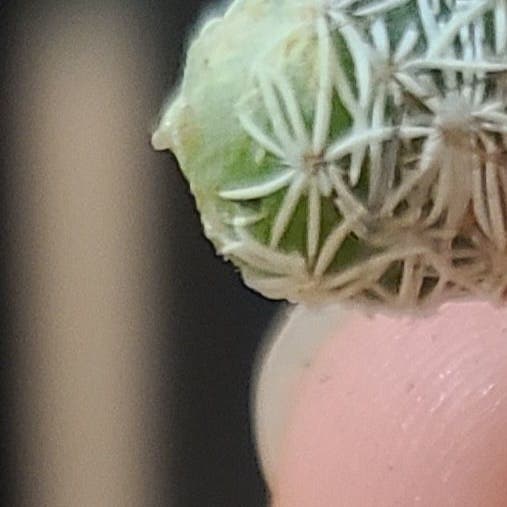
🌵 Ultimate Guide for How to Plant Cory Cactus
Coryphantha delicata
By the Greg Editorial Team
Sep 28, 2024•5 min read
This article was created with the help of AI so we can cover more plants for you. May contain errors. See one? Report it here.
Unlock vibrant cactus growth 🌵 by mastering the essentials of planting vs. transplanting for your garden's success!
- 💰 Transplanting established cacti is cost-effective and promotes faster growth.
- 🌱 Optimal planting seasons are spring and early summer for healthy Cory cactus growth.
- 🌞 Provide bright, indirect sunlight and ensure well-draining soil for best results.
Planting vs. Transplanting
Key Considerations 🌱
When deciding between planting new cacti or transplanting established ones, cost is a major factor. New plants often come with a higher price tag, while transplanting can save you money in the long run.
Time to maturity is another crucial aspect. New plants typically take longer to establish, whereas transplanted cacti are already acclimated to their environment, allowing for quicker growth.
Adaptability also plays a role in your decision. New plants may need extra care and attention to thrive, while transplanted ones are more resilient, having already adjusted to their surroundings.
Understanding these key considerations can help you make an informed choice that suits your gardening goals. Whether you opt for new plants or transplanting, each method has its unique benefits and challenges.
Next, let’s explore the optimal timing for planting new cacti.
Planting New Cactus
🌱 Optimal Timing for Planting
Timing is everything when it comes to planting your delicate Cory cactus. The best seasons are spring and early summer, as the mild temperatures promote healthy growth.
Plant during the active growth cycle for optimal establishment. This ensures your cactus has the best chance to thrive in its new environment.
🪴 Soil Mix and Containers
Choosing the right soil mix is crucial for your cactus's health. Opt for well-draining cactus soil or create a blend of sand, perlite, and potting soil to provide excellent drainage.
When it comes to containers, terracotta pots are ideal due to their breathability. Make sure the pot size corresponds to the size of your cactus for optimal growth.
📏 Depth and Spacing
Planting depth matters more than you might think. The base of your cactus should sit level with the soil surface to prevent rot.
For spacing, aim for 12-18 inches apart. This distance allows for optimal air circulation, which is essential for healthy growth.
🌞 Maintaining Ideal Conditions
Creating the right environment is key to your cactus's success. Provide bright, indirect sunlight, but remember that some direct sun is tolerated.
Watering is another critical factor. Always allow the soil to dry completely between waterings to avoid over-saturation.
🌿 Hardening Off Process
Before moving your cactus outdoors, a hardening off process is essential. This gradual exposure helps your plant adapt to its new conditions.
Start by placing your cactus outside for 1-2 hours, gradually increasing exposure over 1-2 weeks. This will help it acclimate without shock.
With these steps in mind, you’re well on your way to successfully planting your Cory cactus. Next, let’s explore how to transplant an established cactus for optimal growth.
Transplanting Established Cactus
🌱 Optimal Timing for Transplanting
Transplanting your cactus is best done in late spring to early summer. This timing aligns with the plant's active growth phase, ensuring a smoother transition.
Look for signs that your cactus is ready for a new home, such as being root-bound or showing poor growth in its current location. These indicators signal that it's time for a change.
🛠️ Step-by-Step Instructions
Removing the Plant
- Water the cactus a day before transplanting to minimize shock.
- Carefully loosen the soil around the base to free the roots.
- Lift the cactus by its base, ensuring you avoid any damage.
Preparing the New Site
- Select a well-draining location that receives adequate sunlight.
- Amend the soil with sand or perlite to enhance drainage.
- Dig a hole that is twice the width of the root ball for ample space.
Placement and Spacing
Position the cactus at the same depth as it was in its previous location. Maintain a spacing of 12-18 inches from other plants to allow for proper air circulation.
💧 Post-Transplant Care
After transplanting, lightly water the cactus to help settle the soil around the roots.
Consider adding a thin layer of gravel or sand as mulch to retain moisture and protect the roots. This simple step can make a significant difference in your cactus's recovery.
Transplanting can be a rewarding experience, leading to healthier growth and a thriving plant. Next, let’s explore how to troubleshoot common issues that may arise during this process.
Troubleshooting Common Issues
🌱 Identifying Transplant Shock
Transplant shock can be a real concern for your delicate Cory cactus. Look out for symptoms like wilting, yellowing leaves, or stunted growth, which typically appear within the first few weeks after transplanting.
🛠️ Solutions for Establishment Problems
To help your cactus bounce back, start by adjusting your watering routine. Ensure the soil is neither too dry nor overly saturated.
Next, monitor its light exposure. Your cactus thrives in bright, indirect sunlight, so make sure it’s getting enough light without being scorched.
👀 General Care Tips
Regular check-ins are essential. Keep an eye out for any signs of stress or disease, as early detection can make all the difference.
Lastly, be patient. It takes time for plants to adjust and establish their roots, so give your cactus the space it needs to thrive.
With these tips, you’ll be well-equipped to handle any hiccups along the way. Now, let’s explore how to maintain ideal conditions for your cactus!
⚠️ Safety First
This content is for general information and may contain errors, omissions, or outdated details. It is not medical, veterinary advice, or an endorsement of therapeutic claims.
Always consult a qualified healthcare professional before using any plant as food, medicine, or supplement.
Never eat any plant (or feed one to pets) without confirming its identity with at least two trusted sources.
If you suspect poisoning, call Poison Control (800) 222-1222, the Pet Poison Helpline (800) 213-6680, or your local emergency service immediately.
Spotted an error? Please report it here.
Planting your Cory cactus can be rewarding 🌱 when you use Greg's tailored reminders and expert advice to help it thrive in its new environment!