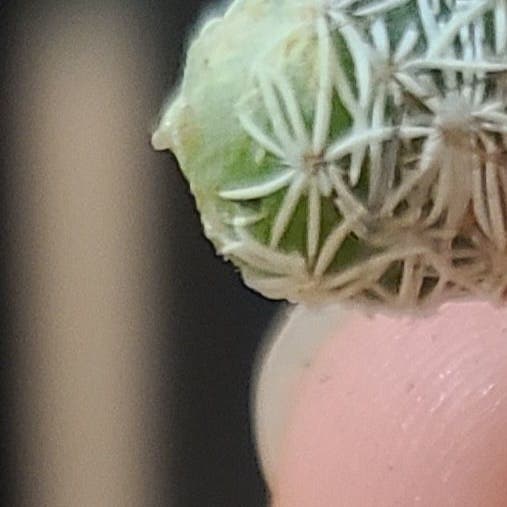
💩 How to Fertilize Your Coryphantha delicata
Coryphantha delicata
By the Greg Editorial Team
Mar 02, 2024•4 min read
This article was created with the help of AI so we can cover more plants for you. May contain errors. See one? Report it here.
Boost your cactus's health 🌵 and blooms with our savvy fertilizing tips—avoid the overfeed trap!
- Low-nitrogen, high-potassium fertilizers are best for Coryphantha delicata's health and blooms.
- Fertilize in spring, but skip winter to avoid damage during dormancy.
- Prevent over-fertilization: water first, apply liquid fertilizer carefully, and prune if needed.
Choosing Your Fertilizer Wisely
💡 The Perfect Match: Fertilizer Types for Coryphantha delicata
In the world of Coryphantha delicata, not all fertilizers are created equal. Low-nitrogen options are the go-to, as they prevent the cactus from becoming leafy and soft. Instead, they promote a sturdy structure and encourage blooming. High-potassium fertilizers are akin to an energy drink for your cactus, minus the crash, boosting overall health and flower production.
📊 Reading the Labels: Understanding Fertilizer Ratios
The N-P-K ratio on a fertilizer label is like a nutritional label for your plant. Nitrogen (N) is for foliage, phosphorus (P) for roots and blooms, and potassium (K) for overall health. For Coryphantha delicata, a balanced or slightly phosphorus-rich blend is ideal. Look for ratios where the middle number (phosphorus) is higher, like a 5-10-5, to support those desert gems. Remember, moderation is key; too much of any nutrient can lead to a distressed cactus.
Timing is Everything: When to Fertilize
🌱 Growing Season Guidelines
Spring ushers in growth for your Coryphantha delicata, marking the ideal time to begin fertilization. Consistency is key; a monthly dose of nutrients during this period supports vigorous growth and the promise of blooms.
❄️ The Dormancy Rule
Winter is the cactus's downtime, a period for rest rather than feeding. Fertilizing during dormancy is not just pointless, it's potentially harmful, risking nutrient buildup and damage. Let your cactus recharge naturally, sans fertilizer.
The Fertilization Process: Step by Step
💧 Preparing the Stage: Soil and Water Considerations
Before introducing any fertilizer to your Coryphantha delicata, it's crucial to set the stage. Water your cactus thoroughly to moisten the soil; this is akin to stretching before a workout. It primes the soil, allowing for even nutrient distribution and preventing root burn.
A soil test can be your best friend here, revealing the current nutrient content and pH level. This information is invaluable, as it guides you in selecting the right fertilizer and determining the correct dosage.
🌱 Application Techniques
When it's time to apply fertilizer, think of yourself as a chef seasoning a dish. Evenly and with care are your mantras. Use a watering can to mix and apply liquid fertilizer, ensuring it reaches the soil without splashing onto the plant itself.
Granular fertilizers are not recommended for Coryphantha delicata due to their potential to concentrate in small areas and cause nutrient burn. Instead, opt for a diluted liquid fertilizer, applying it once a month during the growing season.
Remember, your cactus has a rest period during the winter when it's best to put the fertilizer away and let the plant snooze in peace.
Recognizing Too Much of a Good Thing: Over-Fertilization
🚨 Spotting the Telltale Signs
Burned or brown leaf tips are your Coryphantha delicata's cry for help, a classic sign of fertilizer burn. A crust of fertilizer salts on the soil's surface screams over-application. Yellowing leaves, thin stems, or a sudden growth spurt? These are your cactus's way of saying, "I'm stuffed!" Remember, these symptoms can be mistaken for other issues, so don't play plant detective without considering all the evidence.
🛠️ Damage Control: Remedying Over-Fertilization
Caught red-handed with the fertilizer spreader? Stop all fertilization immediately. It's like hitting pause on a binge-watch session—necessary and sobering. Next, remove any visible fertilizer from the soil—think of it as decluttering your plant's personal space. Then, initiate a soil detox by flushing it with water, not once but several times, to wash away the excess nutrients. Prune away the damaged parts; it's like giving your cactus a fresh start. Hold off on the next fertilization until your plant shows signs of forgiveness—new growth. Remember, when it comes to plant food, less is more.
⚠️ Safety First
This content is for general information and may contain errors, omissions, or outdated details. It is not medical, veterinary advice, or an endorsement of therapeutic claims.
Always consult a qualified healthcare professional before using any plant as food, medicine, or supplement.
Never eat any plant (or feed one to pets) without confirming its identity with at least two trusted sources.
If you suspect poisoning, call Poison Control (800) 222-1222, the Pet Poison Helpline (800) 213-6680, or your local emergency service immediately.
Spotted an error? Please report it here.
Nurture your Coryphantha delicata to perfection 🌵 with Greg's custom care reminders, ensuring you fertilize just right—no more guesswork or over-fertilization woes!