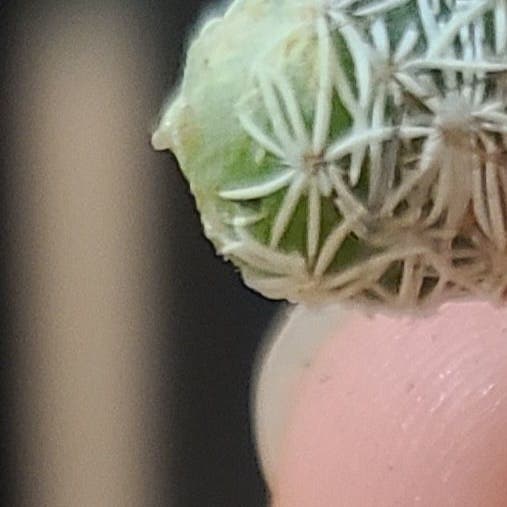
What Are The Bugs on My Coryphantha delicata? 🐞
Coryphantha delicata
By the Greg Editorial Team
Feb 27, 2024•3 min read
This article was created with the help of AI so we can cover more plants for you. May contain errors. See one? Report it here.
Shield your cactus from tiny terrors with expert pest-busting tips! 🌵🔍
- Spider mites and scale hide well; look for webbing and sticky residue.
- Dry soil and traps combat fungus gnats and fruit flies effectively.
- Regular checks and cleanliness are crucial for a pest-free Coryphantha delicata.
Meet the Unwanted Guests: Common Pests on Coryphantha delicata
🕷️ Spider Mites: The Sneaky Sap-Suckers
Tiny spider mites are invisible enemies, often going unnoticed until their damage is done. Webbing and discolored specks under leaves are tell-tale signs. To combat these pests, introduce predatory mites or apply homemade sprays. Maintain high humidity and conduct regular plant inspections to prevent future invasions.
🦟 Scale: The Sticky Bandits
Scale insects disguise themselves as harmless bumps on your cactus. If you notice a sticky residue, it's time to act. Remove them manually or with insecticidal sprays. To protect your plants, implement quarantine measures and remain vigilant for new intruders.
🦟 Fungus Gnats and Fruit Flies: The Soil Lurkers
Overwatered soil is a paradise for fungus gnats and fruit flies. Spot these pests by their buzzing presence. Counter them by allowing the soil to dry out and setting up sticky traps. Preventative measures include wise watering practices and choosing the right soil.
🐛 Mealybugs: The Fluffy White Menace
Mealybugs announce their presence with cottony clusters. Eradicate them with alcohol swabs or oil treatments. Stay proactive with regular inspections and isolation of new plants to keep these pests at bay.
Other Frequent Foes
🦗 Aphids: The Green Graze Gang
Clusters of green or black bugs signal an aphid problem. Blast them away with a strong water spray or use soapy solutions. Prevent future infestations by attracting beneficial insects and using sticky traps.
🦗 Thrips: The Slender Shadows
Thrips are tiny, slender insects that can wreak havoc on your plants. Catch them with blue sticky traps or introduce predatory mites. Reflective mulches and consistent monitoring can help keep these pests from becoming a problem.
Pro Tips: Keeping Your Coryphantha delicata Pest-Free
🌵 The Right Start: Selecting Healthy Plants
Vigilance begins before a plant even enters your home. Inspect new Coryphantha delicata for any signs of pests or diseases. Reject any with suspicious spots, webbing, or a general look of despair. A robust cactus is less of a bug magnet.
🧼 Cleanliness is Key: Tools and Pots Hygiene
Dirty tools and pots are like a red carpet for pests. Sanitize them between uses to prevent an insect soiree. It's simple: clean equipment, fewer problems. And remember, repotting? Only in dry soil, and preferably when the cactus is waking up from its beauty sleep in late winter or early spring.
👁️ The Watchful Eye: Regular Check-Ups and Early Intervention
Make plant check-ups a ritual, like your morning coffee. Flip those leaves, peek into crevices, and be ready to act at the first hint of trouble. Early detection is your best weapon—think of it as being a cactus detective on a stakeout. Keep an eye out for the usual suspects: mealybugs, spider mites, and the like.
Remember, consistency is key. Treat plant care like dental hygiene—skip a day, and you might just find cavities... or in this case, critters.
⚠️ Safety First
This content is for general information and may contain errors, omissions, or outdated details. It is not medical, veterinary advice, or an endorsement of therapeutic claims.
Always consult a qualified healthcare professional before using any plant as food, medicine, or supplement.
Never eat any plant (or feed one to pets) without confirming its identity with at least two trusted sources.
If you suspect poisoning, call Poison Control (800) 222-1222, the Pet Poison Helpline (800) 213-6680, or your local emergency service immediately.
Spotted an error? Please report it here.
Keep your Coryphantha delicata thriving 🌵 by letting Greg assist with tailored care reminders and pest prevention tips, ensuring your plants stay bug-free!