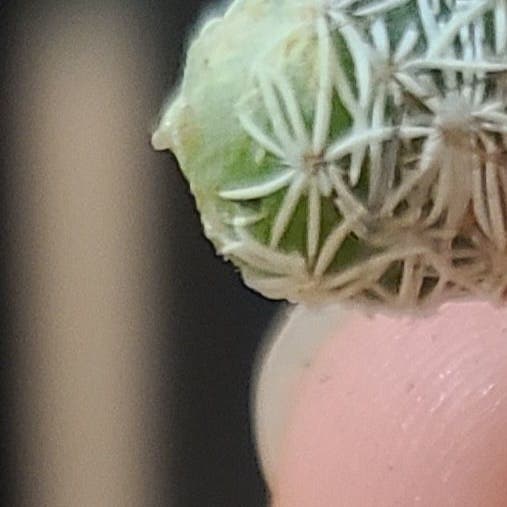
🌵 4 Steps to a Healthy Outdoor Cory Cactus
Coryphantha delicata
By the Greg Editorial Team
Sep 28, 2024•6 min read
This article was created with the help of AI so we can cover more plants for you. May contain errors. See one? Report it here.
Unlock the secret to a thriving Cory cactus with essential sunlight and care tips! 🌵✨
- ☀️ Cory cacti need 6-8 hours of sunlight daily for optimal growth.
- 💧 Water only when top 1-2 inches are dry to prevent root rot.
- 🌱 Choose between container or ground planting based on space and mobility needs.
Sunlight and Location
🌞 Ideal Sunlight Exposure
For your delicate Cory cactus, full sun is non-negotiable. Aim for 6-8 hours of direct sunlight daily to keep it thriving.
If your cactus isn't getting enough light, you'll notice signs like etiolation, weak growth, and discoloration. These are clear indicators that it needs a sunnier spot.
🌱 Choosing Between Container and Ground Planting
When deciding where to plant your cactus, consider the benefits and drawbacks of both container and ground planting.
Benefits of Container Planting
Container planting offers fantastic mobility. You can easily move your cactus to optimize sunlight exposure and protect it from harsh weather.
Additionally, you have greater control over soil quality and drainage, which is crucial for cactus health.
Drawbacks of Container Planting
However, container planting does come with limitations. The restricted root space can stunt growth over time.
Moreover, you'll need to water more frequently since containers dry out faster than ground soil.
Benefits of Ground Planting
On the flip side, ground planting allows for more space for root expansion. This promotes healthier growth and a more robust cactus.
Natural drainage and moisture retention are also significant advantages, helping your cactus thrive in its environment.
Drawbacks of Ground Planting
Yet, ground planting isn't without its challenges. You have less control over soil quality and drainage, which can lead to issues.
Additionally, your cactus may be more vulnerable to outdoor pests and diseases, requiring vigilant monitoring.
Understanding these factors will help you make the best choice for your Cory cactus. With the right sunlight and location, you're setting the stage for a flourishing plant.
Next, let’s dive into the watering and soil requirements to keep your cactus hydrated and healthy.
Watering and Soil
Watering Requirements and Frequency 🌊
Cory cacti thrive on a simple watering rule: only water when the top 1-2 inches of soil are dry. This approach helps prevent overwatering, which can lead to root rot.
During the growing season in spring and summer, you’ll need to water more frequently. As the cactus enters dormancy in fall and winter, reduce watering to keep it healthy.
Best Soil Types 🌱
For optimal growth, use a well-draining soil mix. A recommended ratio is 50% cactus mix and 50% perlite, ensuring that excess water drains away efficiently.
Maintaining the right pH balance is crucial too. Aim for a slightly acidic to neutral pH, ideally between 6.0 and 7.0, to support your cactus's health.
With these watering and soil tips, your Cory cactus will be well on its way to thriving in your outdoor space. Next, let’s explore how to fertilize your cactus for even better growth!
Fertilization
Recommended Fertilizers 🌱
When it comes to feeding your delicate Cory cactus, choosing the right fertilizer is crucial. Opt for a balanced NPK fertilizer, like a 10-10-10, or go for specialized cactus fertilizers designed to meet their unique needs.
For those who prefer organic options, fish emulsion or compost tea can work wonders. These natural fertilizers not only nourish your cactus but also contribute to a healthier ecosystem.
Fertilization Schedule ⏰
Timing is everything in cactus care. Fertilize every 4-6 weeks during the growing season, which spans spring and summer.
To avoid over-fertilization, always dilute your fertilizer to half-strength. This approach ensures your cactus receives the nutrients it craves without the risk of burning its delicate roots.
With the right fertilization routine, your Cory cactus will thrive and showcase its stunning beauty. Next, let’s explore how to protect your cactus from weather extremes and pesky pests.
Protection from Weather and Pests
🌤️ Weather Protection Strategies
To keep your delicate Cory cactus thriving, consider using shade cloth during extreme heat. This simple addition can shield your plant from scorching sun, helping it maintain its vibrant health.
Mulching is another effective strategy. A layer of mulch not only retains soil moisture but also regulates temperature, creating a more stable environment for your cactus.
🐞 Common Outdoor Pests and Management
Outdoor pests can pose a significant threat to your cactus. Keep an eye out for mealybugs, scale insects, and aphids, as these little invaders can wreak havoc on your plant.
For management, neem oil and insecticidal soap are excellent options. You can also introduce beneficial insects, like ladybugs, which naturally control pest populations.
🦠 Diseases Affecting the Cactus
Cacti are not immune to diseases, with root rot and fungal infections being the most common culprits. These issues often arise from improper watering or poor soil drainage.
To prevent these diseases, focus on proper watering techniques. Ensure your soil drains well to keep your cactus healthy and thriving.
With these protective measures in place, your Cory cactus will be better equipped to face the elements and fend off pests. Next, let’s dive into the seasonal care your cactus needs to flourish throughout the year.
Seasonal Care
Seasonal Changes and Their Impact 🌸
Spring is a vibrant time for your delicate Cory cactus. As growth resumes, increase watering and fertilization to support its active phase.
In summer, keep a close eye on your cactus for pests and signs of heat stress. This is when your plant needs the most attention.
As fall approaches, gradually reduce watering. This helps prepare your cactus for the dormancy period ahead.
During winter, limit watering even further and protect your cactus from frost. It’s crucial to ensure your plant stays safe during colder months.
Special Considerations for Climate Zones 🌍
Different climate zones require unique adaptations for your cactus. In arid climates, ensure adequate drainage and consider using mulch to retain moisture.
For humid climates, be cautious of excess moisture, which can lead to root rot. Adjust your care routine accordingly to keep your cactus thriving.
In cold climates, consider bringing your cactus indoors or using protective coverings. This will shield it from harsh winter conditions.
Preparing for Winter and Extreme Weather ❄️
Winterizing your cactus is essential for its survival. Insulate pots with materials like burlap or bubble wrap to protect roots from freezing.
Cover your plants during frost to prevent damage. This simple step can make a significant difference in their health.
Watch for signs of stress, such as yellowing or wilting leaves. These indicators signal that your cactus may need immediate attention.
By following these seasonal care tips, you can ensure your Cory cactus remains healthy and vibrant year-round. Now, let’s explore the next crucial aspect: protecting your cactus from weather and pests.
⚠️ Safety First
This content is for general information and may contain errors, omissions, or outdated details. It is not medical, veterinary advice, or an endorsement of therapeutic claims.
Always consult a qualified healthcare professional before using any plant as food, medicine, or supplement.
Never eat any plant (or feed one to pets) without confirming its identity with at least two trusted sources.
If you suspect poisoning, call Poison Control (800) 222-1222, the Pet Poison Helpline (800) 213-6680, or your local emergency service immediately.
Spotted an error? Please report it here.
Keep your Cory cactus thriving 🌱 with Greg's tailored care reminders and expert tips that ensure it gets the sunlight and watering it craves!