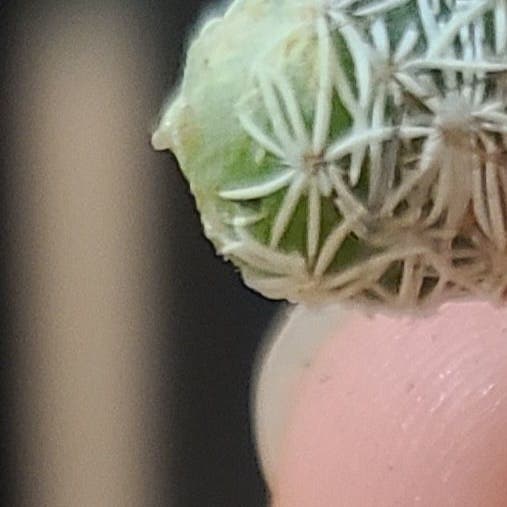
Coryphantha delicata Root Rot Solutions
Coryphantha delicata
By the Greg Editorial Team
Feb 27, 2024•3 min read
This article was created with the help of AI so we can cover more plants for you. May contain errors. See one? Report it here.
Rescue your cactus 🌵 from the dreaded root rot with these fail-safe solutions and prevention tips!
- 🌵 Yellow leaves and soft stem base signal root rot in Coryphantha delicata.
- Isolate and treat with fungicide after removing rotted roots.
- Prevent with proper watering, drainage, and environmental control.
Spotting the Red Flags: Symptoms of Root Rot
🚩 Visual Clues
Yellowing and wilting leaves are the plant's version of a distress flare. They're not just unsightly; they're a sign that the roots are in trouble. When the stem base feels soft, it's the equivalent of a plant crying uncle—root rot is likely at play.
🕵️ Beyond the Surface
To confirm your suspicions, you'll need to get your hands dirty. Gently remove the plant from its pot and inspect the roots. Healthy roots are firm and white, while rotting ones are mushy and discolored. If the roots break off like wet tissue paper, it's time for some serious plant triage. A foul odor emanating from the soil is the unpleasant cherry on top of a root rot diagnosis.
Immediate Rescue: Treating Root Rot in Coryphantha Delicata
🚑 First Response
When Coryphantha delicata shows signs of root rot, think triage. Isolate the plant to prevent any spread of disease. Gently remove it from its pot and wash the roots under running water. Use sterilized scissors to snip off the rotted parts—think precision, not hack and slash.
🦠 Fungicidal Backup
After the amputation, it's time for the fungicide. This is your plant's shield against the unseen microbial marauders. Apply a suitable fungicide to the remaining healthy roots, following product instructions to the letter. Safety first—wear gloves and avoid inhaling any of the fungicide.
🌱 Repotting for Recovery
Choose a new pot with ample drainage holes—think Swiss cheese levels of perforation. Opt for a fresh, sterile potting mix that's like a feather bed for roots, light and airy. When repotting, handle the plant with the care of a bomb squad expert. Water sparingly at first; overwatering is the enemy you just fought off. Remember, recovery takes time—patience is your new best friend.
Root Rot Causes: Connecting the Dots
💦 Overwatering and Waterlogged Soil
Overwatering is akin to an overbearing hug for your Coryphantha delicata; it's suffocating. Roots, like people, need space to breathe. Too much water and they're essentially holding their breath underwater. The result? A slow and soggy demise.
🚰 Poor Drainage and Its Consequences
Poor drainage is the silent accomplice to root rot. Imagine water lingering around roots like an unwanted house guest. It's not just uncomfortable, it's detrimental. Drainage isn't a luxury, it's a necessity for survival, ensuring roots have access to that life-giving oxygen.
Fortifying Defenses: Preventing Root Rot
💧 Watering Wisdom
Watering should be precise and infrequent, allowing the soil to dry out completely between sessions. In the winter, reduce watering significantly to match the cactus's dormant state. Summer calls for a slight increase, but always check the soil's moisture level before reaching for the watering can.
🌱 Soil and Drainage Mastery
Soil must be well-draining; a mix of cactus potting soil with added perlite or sand is ideal. Pots should have drainage holes—non-negotiable. Terracotta or clay pots are preferable for their breathability, helping to prevent moisture buildup.
🌞 Environmental Harmony
Light should be bright yet indirect to mimic the cactus's natural habitat. Ensure good airflow to ward off pests and promote soil drying. Adjust humidity and temperature to create a stable environment, reducing the risk of root rot. Regularly check your plant for signs of distress, and act swiftly if any are found.
⚠️ Safety First
This content is for general information and may contain errors, omissions, or outdated details. It is not medical, veterinary advice, or an endorsement of therapeutic claims.
Always consult a qualified healthcare professional before using any plant as food, medicine, or supplement.
Never eat any plant (or feed one to pets) without confirming its identity with at least two trusted sources.
If you suspect poisoning, call Poison Control (800) 222-1222, the Pet Poison Helpline (800) 213-6680, or your local emergency service immediately.
Spotted an error? Please report it here.
Shield your coryphantha delicata from root rot 🛡️ with Greg's personalized watering reminders that ensure your succulent stays dry and happy.