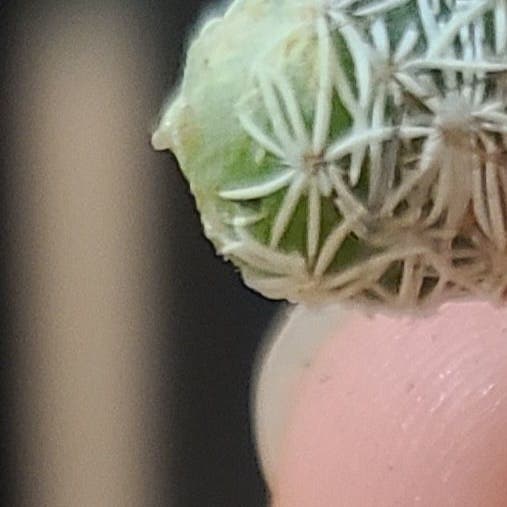
Should I Repot My Coryphantha delicata And If So, How?
Coryphantha delicata
By the Greg Editorial Team
Feb 27, 2024•5 min read
This article was created with the help of AI so we can cover more plants for you. May contain errors. See one? Report it here.
Revitalize your cactus's growth 🌵 by mastering the timely art of repotting Coryphantha delicata!
- 🌵 Roots peeking out? Time to repot your Coryphantha delicata.
- Spring or early fall are ideal for repotting cacti.
- Terracotta pots and well-draining soil ensure cactus health.
Spotting the Telltale Signs It's Time to Repot
🌵 Root Check: Is Your Cactus Cramped?
When your Coryphantha delicata's roots start escaping through the drainage holes, it's not being adventurous—it's packed tighter than a subway at rush hour. If the roots are circling the pot's interior like a miniature race track, it's high time for a new, roomier residence.
📉 Growth Gains: Slowing Down or Speeding Up?
Stunted growth is a silent scream for more space. If your cactus's growth has hit a wall, it's not just being lazy. It's likely root-bound and pleading for a pot upgrade. When the top becomes heavier than the base, it's not just quirky; it's a cry for help.
💧 Drainage Dilemmas: Is Water Sticking Around Too Long?
If watering your cactus feels like pouring liquid into a sieve, and the soil dries out faster than a gossip in a small town, it's a sign of a root-bound plant. Conversely, if water lingers like an awkward goodbye, you've got drainage issues that a repot can resolve.
Choosing the Right Season for Repotting
🌷 Spring into Action: Why Warmer Months Work Best
Spring isn't just for cleaning; it's prime time for repotting your Coryphantha delicata. As the cactus shakes off its winter slumber, it gears up for a growth spurt—making it the perfect candidate for a new pot. Early summer can work too, but watch out for heat waves that could stress your spiky friend.
If you've missed the spring train, early fall offers a second chance. Just make sure you're not repotting during a growth lull or in extreme weather conditions. It's like giving your cactus a pep talk right before its big performance.
🌵 Plant Age and History: Young vs. Mature Cacti Considerations
Young cacti are like eager puppies, ready to grow at the drop of a hat. They'll thrive when repotted in spring, as they're just hitting their stride. Mature cacti, on the other hand, are more like seasoned pros—they don't need to move as often.
Assess the situation: if your mature cactus is still performing well in its current pot, you can hold off on the repotting. But if it's showing signs of distress, don't wait for the perfect season. It's better to deal with a temporarily grumpy cactus than to risk its health.
Selecting the Perfect Pot and Soil
🏺 Material Matters: Terracotta vs. Clay vs. Plastic
Terracotta pots are the classic choice for cacti, thanks to their porous nature that promotes air flow and prevents water from overstaying its welcome. Plastic pots, on the flip side, are lightweight champions but can hold onto moisture like a sponge, raising the risk of overwatering. Ceramic pots strike a middle ground, offering less porosity but still allowing some breathability, plus they come in a kaleidoscope of designs.
📏 Size It Up: Finding the Ideal Home for Your Cactus
The size of the pot is like picking a comfortable pair of shoes; it needs to be just right. A pot that's a couple of inches larger than the current one gives your Coryphantha delicata room to grow without drowning in excess soil. Remember, Goldilocks rules apply here—not too big, not too small.
🌱 Mixing It Right: Soil Composition for Success
Soil is the unsung hero in this tale. A well-draining mix is non-negotiable, think one part sand, one part perlite, and one part potting soil. It's like creating a custom suit for your plant—it needs to fit just right. If you're not into DIY soil mixing, grab a bag of pre-mixed cactus soil, it's the convenience of fast food with the nutrition of a home-cooked meal.
The Repotting Rundown: A Step-by-Step Guide
🛠️ Prep Work: Gathering Your Gear
Before you start, make sure you have all the necessary tools. You'll need a new pot—ideally one that's about 2 inches larger than the current one and has drainage holes. Grab a well-draining cactus mix, a trowel, gardening snips, and a watering can. Don't skimp on thick gloves; those spines don't mess around. Clear your workspace to avoid any unwanted pokes or prods.
🌵 Out with the Old: Safely Removing Your Cactus
It's time to free your cactus from its old pot. Tilt and gently coax the plant out, supporting the base. If it's stubborn, a soft twist or tap on the pot should do the trick. Once out, brush off the old soil to inspect the roots. Be gentle—cacti have feelings too, you know.
🏡 In with the New: Potting and Soil Setup
Introduce your cactus to its new digs. Start with a fresh layer of cactus mix in the new pot. Center your plant and backfill around the roots, but keep it loose—cacti aren't fans of tight spaces. A light tamp should keep it stable. Water once deeply, then let the soil dry out completely before the next watering. No need to drown it in love.
🌵 Aftercare: Easing Your Cactus into Its New Abode
Post-repotting, your cactus will need some TLC. Water sparingly, allowing the soil to dry out between waterings. Overwatering is a no-go. Hold off on fertilizing for about six weeks to let your plant settle in. Keep an eye on it, but don't hover—cacti appreciate their space.
⚠️ Safety First
This content is for general information and may contain errors, omissions, or outdated details. It is not medical, veterinary advice, or an endorsement of therapeutic claims.
Always consult a qualified healthcare professional before using any plant as food, medicine, or supplement.
Never eat any plant (or feed one to pets) without confirming its identity with at least two trusted sources.
If you suspect poisoning, call Poison Control (800) 222-1222, the Pet Poison Helpline (800) 213-6680, or your local emergency service immediately.
Spotted an error? Please report it here.
Repot your Coryphantha delicata with confidence, as Greg's reminders ensure you're giving your cactus the room to grow 🌵 at just the right time.