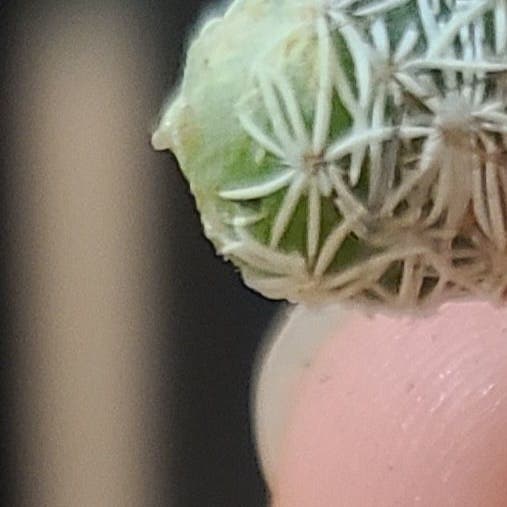
🌞 Is Direct Sunlight Good for My Coryphantha delicata?
Coryphantha delicata
By the Greg Editorial Team
Feb 27, 2024•5 min read
This article was created with the help of AI so we can cover more plants for you. May contain errors. See one? Report it here.
Find out how to sun-kiss your Coryphantha delicata 🌵 just right, avoiding the sunburnt blues! ☀️
- Bright light is key, but direct sun can harm Coryphantha delicata.
- Location matters: East or west-facing windows are often best.
- 🌵 Watch for sunburn signs, like discoloration and crispiness.
Sunlight Decoded: What Does Coryphantha delicata Prefer?
🌞 Direct vs. Indirect Sunlight: A Kid-Friendly Explanation
Imagine a spotlight on a stage—that's direct sunlight. It's the sun's rays beaming down with no filters, like standing in an open field at noon. Now think of light filtered through a curtain—that's indirect sunlight. It's softer, more diffuse, like the light under a tree on a sunny day.
Coryphantha delicata's Sunlight Menu: Full Sun, Partial Shade, or No Sun?
In its natural habitat, Coryphantha delicata is a bit of a sunbather, thriving under the desert sun. It's accustomed to bright, unobstructed light for a good part of the day. So, does it need sunscreen? Not quite, but it doesn't want to fry either. Full sun is on the menu, but just like us, it can have too much of a good thing. Think of it as preferring a day at the beach with the option to retreat under the umbrella now and then.
When Windows Influence Tans: Direction and Hemisphere Explained
🌞 The Window Compass: North, South, East, or West?
Finding the perfect window for your Coryphantha delicata is like setting up a profile on a dating app—it's all about the right exposure.
North-facing windows are the introverts of the window world, offering consistent but gentle light. Your cactus won't get a sunburn here, but it might yearn for a bit more action.
South-facing windows? They're the life of the party in the Northern Hemisphere, dishing out the most intense light—great for a sun-loving cactus, but it's a fine line before a tan turns into a burn.
East-facing windows provide a soft morning light, a kind of gentle wake-up call that's just right for easing your plant into the day.
West-facing windows, on the other hand, are the afternoon thrill-seekers, delivering a stronger dose of sunlight that can be a bit too much for your cactus if not moderated.
🌍 Hemisphere Hints: Does Geography Dictate Sunbathing Rules?
Your geographical location isn't just for bragging about your exotic vacations; it's crucial for your cactus's suntan.
In the Northern Hemisphere, south-facing windows are the sun loungers, while north-facing ones are more like a spot under a beach umbrella—cooler and less intense.
Flip the globe to the Southern Hemisphere, and it's the north-facing windows that are soaking up the rays, with south-facing ones offering a reprieve from the sun's harsh spotlight.
Remember, your Coryphantha delicata doesn't care about compass points; it just craves that just-right amount of sunlight to thrive. Adjust its spot by the window as the seasons change, and you'll have a happy, sun-kissed cactus without the risk of a sunburn.
Spotting a Sunburn: Signs Your Coryphantha delicata Has Had Too Much
🌞 The Tell-Tale Signs: From Tan to Sunburn
Coryphantha delicata is no sunbather. Discoloration is your first clue; leaves that once boasted a vibrant green may turn a pale, washed-out color. Crispiness follows suit, with leaves feeling more like potato chips than plant tissue. This cactus will tell you it's had enough sun through brown or yellow patches, akin to a bad human sunburn. If the top of your cactus looks like it's been in a desert showdown without a hat, it's time to rethink its spot on the windowsill.
🌞 Sunburn First Aid: What to Do If Your Plant Gets Scorched
When your Coryphantha delicata cries out for help, act fast. Move it to a shadier locale pronto. If the damage is superficial, the plant will recover with time and TLC. Severely burnt areas, however, are lost causes – they won't regenerate. Trimming may be necessary to prevent decay from spreading. Post-sunburn care involves a delicate balance of hydration and light; water sparingly but consistently, and provide bright, indirect sunlight. Patience is key – recovery is a slow dance, not a quickstep.
Sunlight Strategy: Keeping Your Coryphantha delicata Happy
🌞 Location, Location, Location: Finding the Sweet Spot
Finding the perfect perch for your Coryphantha delicata is like a mini treasure hunt in your home. You're looking for a spot that hits the sweet spot of sunlight without turning your cactus into a crispy critter.
The Ideal Indoor Oasis
East or west-facing windows are typically your best bet, bathing your plant in the gentle morning or afternoon light. But beware of the intense midday sun that can ambush your cactus through a south-facing window.
Seasonal Sunlight Shuffle
Remember, the sun's angle changes with the seasons. Be ready to play musical chairs with your plant, moving it back from the window in summer and inching it closer in winter for optimal exposure.
🛡️ Sun Shields and Light Filters: Tools of the Trade
Sometimes, your home's lighting is more villain than hero, and that's where sun shields and light filters come into play. They're the sidekicks your cactus needs to dodge those harmful rays.
Sheer Genius
A sheer curtain can act as a sunscreen, diffusing the harsh sunlight while still letting through that glow your Coryphantha delicata craves. It's a simple fix that can make all the difference.
Shade Cloth to the Rescue
When the sun is relentless, a shade cloth can be your plant's knight in shining armor. It's like putting sunglasses on your cactus, protecting it from the glare while still letting it soak up some sunshine.
Keeping Tabs
Stay vigilant and keep an eye out for signs of sun stress. If your cactus starts throwing shade by looking discolored or shriveled, it's time to reassess its spot and sun protection.
⚠️ Safety First
This content is for general information and may contain errors, omissions, or outdated details. It is not medical, veterinary advice, or an endorsement of therapeutic claims.
Always consult a qualified healthcare professional before using any plant as food, medicine, or supplement.
Never eat any plant (or feed one to pets) without confirming its identity with at least two trusted sources.
If you suspect poisoning, call Poison Control (800) 222-1222, the Pet Poison Helpline (800) 213-6680, or your local emergency service immediately.
Spotted an error? Please report it here.
Find the perfect balance of light for your Coryphantha delicata and prevent sunburn with Greg's PlantVision 🌵, which tailors your plant's spot to seasonal changes and window directions!