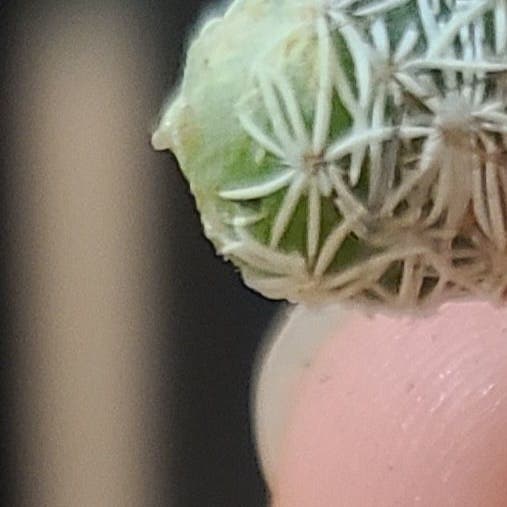
🌸 5 Easy Ways to Pollinate Cory Cactus
Coryphantha delicata
By the Greg Editorial Team
Sep 28, 2024•6 min read
This article was created with the help of AI so we can cover more plants for you. May contain errors. See one? Report it here.
Uncover the secrets of the Delicate Cory Cactus's survival through its fascinating pollination strategies! 🌼
- 🌵 Delicate Cory Cactus can self-pollinate, ensuring reproduction without external help.
- 🐝🌼 Bees, butterflies, and hummingbirds are key pollinators, enhancing cactus reproduction.
- 🌞🌿 Creating a microclimate boosts pollination success by mitigating environmental challenges.
Pollination Process
🌱 Self-Pollination Process
The Delicate Cory Cactus has a fascinating ability to self-pollinate. This process occurs when pollen from the male parts of the flower (stamens) fertilizes the female parts (pistils) within the same flower.
Self-pollination offers significant benefits for the cactus. It ensures reproduction even in the absence of pollinators, allowing the plant to thrive in challenging environments.
🐝 Cross-Pollination
Primary Pollinators
Several key species play a vital role in the cross-pollination of Delicate Cory Cactus. Bees, butterflies, moths, and hummingbirds are among the most effective pollinators.
- Bees: They are attracted to the cactus's vibrant colors and sweet nectar, transferring pollen as they move from flower to flower.
- Butterflies: Their delicate flight patterns help them access the cactus's flowers, contributing to pollen distribution.
- Moths: Active during twilight, they are drawn to the cactus's scent, aiding in nighttime pollination.
- Hummingbirds: Their long beaks allow them to reach deep into the flowers, facilitating effective pollen transfer.
Attraction Methods
The Delicate Cory Cactus employs various strategies to attract these pollinators.
- Scent: The sweet fragrance of the flowers lures in pollinators from afar.
- Color: Bright, vibrant hues catch the eye, signaling a food source.
- Nectar: A rich supply of nectar rewards pollinators for their efforts, encouraging repeat visits.
These methods create a symbiotic relationship between the cactus and its pollinators, enhancing the plant's reproductive success.
As we explore the intricate structure of the cactus flowers, we’ll see how these features further facilitate successful pollination.
Flower Structure
Description of Flower Characteristics 🌸
The flowers of the Delicate Cory Cactus are truly unique. They feature a tubular shape that not only stands out but also plays a crucial role in attracting pollinators.
Their vibrant colors, ranging from bright pinks to deep yellows, are eye-catching. These hues serve as a beacon for bees, butterflies, and other pollinators, guiding them to the nectar-rich blooms.
The arrangement of petals, sepals, stamens, and pistils is meticulously designed. Petals often form a star-like pattern, while the stamens and pistils are strategically positioned to facilitate effective pollination.
Role of Flower Structure in Pollination 🐝
The structure of the flower is essential for both self-pollination and cross-pollination. The tubular shape allows for easy access to the reproductive parts, ensuring that pollen can be transferred efficiently.
Adaptations such as sticky pollen and specialized shapes enhance pollen transfer. These features not only attract specific pollinator species but also increase the likelihood of successful fertilization.
Understanding the flower's design helps us appreciate its role in the ecosystem. The Delicate Cory Cactus has evolved to maximize its reproductive success, showcasing nature's ingenuity.
As we delve deeper into the pollination process, it's essential to recognize how these structural elements contribute to the cactus's overall reproductive strategy.
Natural Pollination
🌬️ Mechanisms of Pollen Transfer
Natural pollination in the Delicate Cory Cactus primarily relies on two mechanisms: wind and animal activity. Wind can carry pollen from one flower to another, but it's often the buzzing of bees and the fluttering of butterflies that play a more significant role.
Animal activity is crucial, as these pollinators visit flowers seeking nectar. As they move from bloom to bloom, they inadvertently transfer pollen, ensuring fertilization occurs. This symbiotic relationship benefits both the cactus and its pollinators.
🌼 Importance of Pollination
Pollination is vital for the reproduction of the Delicate Cory Cactus. It not only facilitates the production of seeds but also enhances genetic diversity within the species.
Genetic diversity is essential for resilience against diseases and environmental changes. A healthy population of cacti can adapt better, ensuring their survival in a changing world. Understanding these processes highlights the importance of protecting pollinators and their habitats.
As we delve deeper into the intricacies of cactus reproduction, the next section will explore hand pollination techniques, offering practical insights for those looking to assist their plants.
Hand Pollination
Step-by-Step Instructions for Hand Pollination 🌱
Hand pollination can be a rewarding process for ensuring the reproduction of your Delicate Cory Cactus. Here’s how to do it effectively.
1. Identify Male and Female Flower Parts 🔍
Understanding the anatomy of your cactus flowers is crucial. The male parts, known as stamens, produce pollen, while the female parts, called pistils, receive it.
2. Collecting Pollen 🧹
To collect pollen, gently tap or shake the male flowers. You can also use a small brush or cotton swab to gather the pollen without damaging the flower.
3. Transferring Pollen ✋
Once you have collected the pollen, carefully transfer it to the pistils of the female flowers. A gentle touch is key; you want to ensure the pollen makes contact without harming the delicate structures.
4. Timing for Successful Fertilization ⏰
Timing is everything in hand pollination. Aim to pollinate early in the morning when flowers are fully open and receptive, as this increases the chances of successful fertilization.
By following these steps, you can enhance the reproductive success of your Delicate Cory Cactus. This hands-on approach not only fosters growth but also deepens your connection with these beautiful plants.
Next, let’s explore the challenges that can arise during the pollination process and how to overcome them.
Pollination Challenges
Common Obstacles to Successful Pollination 🐝
Pollination for the Delicate Cory Cactus can be hindered by various environmental factors. High temperatures and low humidity can dry out flowers, making them less appealing to pollinators.
A lack of pollinators, such as bees and butterflies, can significantly impact cactus reproduction. Without these essential species, the chances of successful fertilization drop dramatically.
Solutions for Overcoming Challenges 🌱
To mitigate environmental factors, consider creating a microclimate around your cactus. This can be achieved by providing shade during the hottest parts of the day or using mulch to retain moisture.
Attracting more pollinators is crucial. Planting a variety of flowering plants nearby can entice bees and butterflies to visit your garden, increasing the likelihood of pollination for your Delicate Cory Cactus.
Seasonal Variations 🍂
Pollination success can vary with the seasons. During blooming seasons, the availability of flowers can attract more pollinators, enhancing the chances of successful fertilization.
Understanding the timing of your cactus's blooming can help you prepare for optimal pollination conditions. Keeping an eye on seasonal changes will allow you to adapt your care strategies accordingly.
⚠️ Safety First
This content is for general information and may contain errors, omissions, or outdated details. It is not medical, veterinary advice, or an endorsement of therapeutic claims.
Always consult a qualified healthcare professional before using any plant as food, medicine, or supplement.
Never eat any plant (or feed one to pets) without confirming its identity with at least two trusted sources.
If you suspect poisoning, call Poison Control (800) 222-1222, the Pet Poison Helpline (800) 213-6680, or your local emergency service immediately.
Spotted an error? Please report it here.
Pollinate your Delicate Cory Cactus like a pro 🌵 by using Greg's tailored reminders and expert tips to boost your cactus's seed production and thrive in any environment!