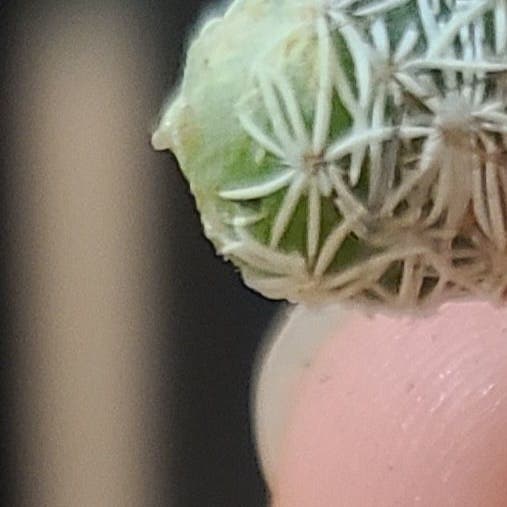
🌵 Why Is My Coryphantha delicata Not Doing Well?
Coryphantha delicata
By the Greg Editorial Team
Feb 27, 2024•4 min read
This article was created with the help of AI so we can cover more plants for you. May contain errors. See one? Report it here.
Nurse your cactus 🌵 back to health with essential care tips for a happy Coryphantha delicata!
- Shriveled, yellowing, or squishy cactus? Your Coryphantha delicata is unhappy.
- Consistent watering and indirect sunlight are key to a healthy cactus.
- Combat pests and diseases with natural predators and proper soil moisture.
Spot the Signs: When Your Coryphantha delicata is Unhappy
🚰 Inconsistent Watering Woes
Spotting the Signs: Telltale Symptoms in Coryphantha delicata
Shriveled appearance? Your cactus isn't being dramatic—it's parched. Dry soil and crispy texture are cries for hydration. Conversely, yellowing and a squishy feel scream overwatering. If the soil feels like a swamp, it's time to dial back on the H2O.
Fine-Tuning Your Watering Routine: Tips for This Particular Cactus
Create a watering schedule that suits your Coryphantha delicata. It's like setting a dinner routine for a pet—consistency is key. Water when the top inch of soil is dry, no guesswork, just the touch test. Remember, this cactus forgives neglect better than overzealous care.
🌞 Light and Temperature: The Balancing Act
Reading the Light Signals: What Your Coryphantha delicata is Telling You
Sunburn shows up as bleached or brown spots—your cactus's way of saying it's had too much sun. If it's stretching out or fading, it's likely craving more light. Find a spot with bright, indirect sunlight; think of it as giving your cactus sunglasses.
Keeping the Temperature Just Right for Your Desert Buddy
Coryphantha delicata likes it warm but not scorching. In winter, protect it from the cold as if you're giving it a warm hug—without the actual hug. Temperature stress can show as discoloration or a sudden growth slowdown, a sign your cactus is not in its comfort zone.
Common Culprits: Pests and Diseases
🐛 Pests: Uninvited Guests on Your Coryphantha delicata
Mealybugs, spider mites, and aphids—these are the freeloaders your Coryphantha delicata could do without. They suck the life out of your cactus, leaving it weak and vulnerable.
Check for sticky residues or webbing; these are the calling cards of your cactus's tiny tormentors.
To combat these pests, introduce natural predators like ladybugs, or apply insecticidal soaps and neem oil. Remember, it's a delicate operation—treat your cactus with the gentleness of a bomb defusal expert.
🍄 Fungal Foes and Root Rot
Mold and mildew are the stealthy invaders of the cactus world, thriving in the shadows of overwatering. If you spot mold on the soil, scoop it out immediately and adjust your watering habits.
Root rot is a silent killer, often unnoticed until it's too late. Look for a mushy base or discolored roots as early warning signs.
If root rot has set in, it's time for cactus surgery—remove the affected parts and repot in fresh, well-draining soil. Prevention is key: ensure proper drainage and avoid overwatering to stop root rot from taking root.
Reviving Your Coryphantha delicata
💧 Over and Under-Watering: Striking the Right Balance
Watering your Coryphantha delicata is like walking a tightrope. Too much, and you're drowning it; too little, and it's gasping for a drink. If you've been heavy-handed with the watering can, it's time to ease up. Let the soil dry out completely before you even think about watering again. This cactus isn't a fan of wet feet.
For the underwatered cactus, showing signs of thirst with wrinkled stems and browning tips, a gradual increase in watering is key. Don't just flood it with good intentions. Instead, introduce moisture slowly to avoid shock and allow the plant to rehydrate at its own pace.
🌱 Gentle Recovery Steps
- Check the soil moisture with your finger. If it's dry several inches down, it's time to water.
- Water deeply but infrequently, allowing excess water to drain away.
- Monitor your cactus's response over the following weeks, adjusting your watering schedule as needed.
🌞 Leaf Scorching: Healing the Burns
Leaf scorching on your Coryphantha delicata is a clear sign that it's had too much sun. Move your cactus to a shadier spot to prevent further damage. Remember, scorched leaves won't regenerate, but you can prevent harm to new growth.
🚨 Immediate Action
- Relocate your cactus to an area with indirect light.
- Resist the urge to fertilize or repot as the plant is healing.
- Keep the soil consistently moist but not waterlogged to support new growth.
By following these steps, you'll give your Coryphantha delicata the best shot at bouncing back from the brink. Keep a watchful eye, and with time, your cactus can return to its former glory.
⚠️ Safety First
This content is for general information and may contain errors, omissions, or outdated details. It is not medical, veterinary advice, or an endorsement of therapeutic claims.
Always consult a qualified healthcare professional before using any plant as food, medicine, or supplement.
Never eat any plant (or feed one to pets) without confirming its identity with at least two trusted sources.
If you suspect poisoning, call Poison Control (800) 222-1222, the Pet Poison Helpline (800) 213-6680, or your local emergency service immediately.
Spotted an error? Please report it here.
Bring your Coryphantha delicata back to life and ensure it's consistently happy 🌵 with Greg's soil moisture tracking and personalized watering reminders.