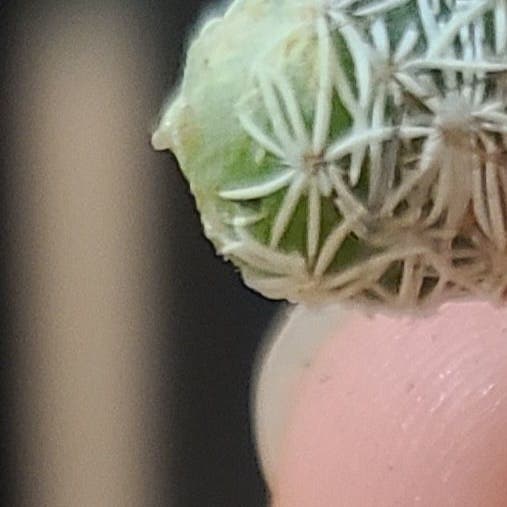
My Coryphantha delicata's Light Needs
Coryphantha delicata
By the Greg Editorial Team
Feb 27, 2024•3 min read
This article was created with the help of AI so we can cover more plants for you. May contain errors. See one? Report it here.
Discover how to make your Coryphantha delicata flourish 🌵 with the perfect light recipe for vibrant blooms! 🌞
- 🌵 Coryphantha delicata thrives in morning light, avoiding midday sun.
- Indoors, use east/west windows and grow lights to mimic natural cycles.
- Adjust light for seasons to promote health and trigger flowering.
Soaking Up the Sun: Ideal Outdoor Light Conditions
🌵 Native Habitat and Sunlight Adaptations
Coryphantha delicata, a sun connoisseur, is naturally attuned to the stark light of desert landscapes. This cactus has evolved to soak up the sun while dodging the harshest midday rays.
🌞 Best Practices for Outdoor Sunlight Exposure
Morning light is Coryphantha delicata's best friend, offering the brightness it craves without the scorch. When positioning outdoors, aim for a spot that basks in the early rays but slips into shade as the sun climbs.
To shield your cactus from the sun's midday enthusiasm, employ natural cover like taller plants or create your own with shade cloth. It's about striking that delicate balance between sun worship and sun protection.
Remember, your Coryphantha delicata's pigment isn't just for show; it's a built-in sunblock. But even the best sunscreen has its limits, so watch for signs of sun stress like color bleaching or burns. If you see them, it's time to dial down the exposure.
Bringing the Sunshine In: Indoor Light Requirements
🌞 Mimicking Natural Light Indoors
Window placement is paramount for Coryphantha delicata's health indoors. East or west-facing windows offer a balance of light, but use curtains or blinds to diffuse intense afternoon sun.
💡 Boosting Light with Technology: Grow Lights
When sunlight is scarce, grow lights are a cactus's best friend. Use them to supplement or replace natural light, ensuring your Coryphantha delicata doesn't miss a beat in its growth.
LED grow lights are top-notch, simulating the full spectrum of sunlight. Fluorescent lights are a cost-effective alternative, still providing ample light for your plant's needs.
Timing is Everything: Light Duration and Intensity
🌞 Understanding Daily Light Cycles
Coryphantha delicata thrives on consistency. Just like us, these cacti have an internal clock that relies on the sun's predictable patterns. To keep your plant healthy, mimic the natural light cycle it would experience in the wild. This means providing a steady rhythm of daylight and darkness, which is crucial for its growth and overall well-being.
🌱 Adjusting Light for Seasonal Changes
As the seasons change, so should your approach to lighting. Adaptability is key. In the summer, longer daylight hours are the norm, and your Coryphantha delicata will expect this. Come winter, it's time to dial back on the light exposure to align with shorter days. This seasonal shift isn't just about survival; it's about setting the stage for a spectacular show of flowers when the time is right.
Light's Role in the Spotlight: Encouraging Coryphantha delicata to Flower
💡 The Connection Between Light and Blooms
Light intensity and duration are pivotal in nudging Coryphantha delicata towards its floral debut. Like a plant's personal alarm clock, the right light conditions can trigger the flowering process. It's not just about being bright; it's about being bright for the right amount of time.
💡 Fine-Tuning Light for Flowering Success
To coax those shy buds into the spotlight, you'll want to play with light like a DJ with a soundboard. Increase the intensity gradually as the growing season approaches. Think of it as a gentle nudge rather than a shove. And remember, consistency is key; keep those light cycles as regular as a metronome to set the stage for a blooming spectacle.
⚠️ Safety First
This content is for general information and may contain errors, omissions, or outdated details. It is not medical, veterinary advice, or an endorsement of therapeutic claims.
Always consult a qualified healthcare professional before using any plant as food, medicine, or supplement.
Never eat any plant (or feed one to pets) without confirming its identity with at least two trusted sources.
If you suspect poisoning, call Poison Control (800) 222-1222, the Pet Poison Helpline (800) 213-6680, or your local emergency service immediately.
Spotted an error? Please report it here.
With Greg's PlantVision, you can dial in 🌞 the perfect light for your Coryphantha delicata, ensuring a dazzling display of blooms by seasonally adjusting window placement and grow light schedules.