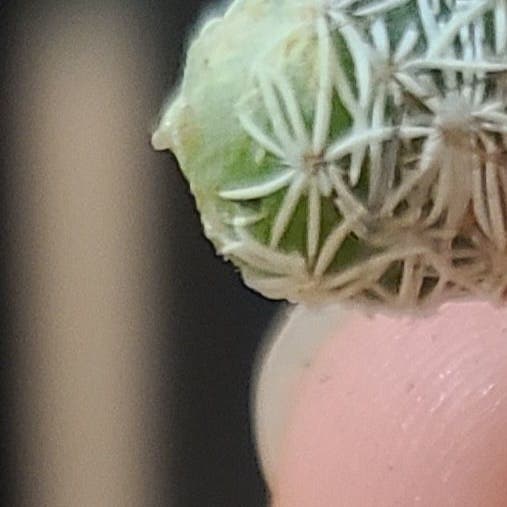
Why Are There Black Spots on My Coryphantha delicata Leaves?
Coryphantha delicata
By the Greg Editorial Team
Feb 27, 2024•4 min read
This article was created with the help of AI so we can cover more plants for you. May contain errors. See one? Report it here.
Save your Coryphantha delicata from black spot despair 🌵—learn the signs and solutions now!
- Black spots signal distress, often expanding on leaves if untreated.
- Overwatering and fungi are common causes; adjust watering and treat with fungicides.
- Prevent with shade and airflow, ensuring soil moisture balance and plant positioning.
Spotting the Trouble: Identifying Black Spots
🕵️ What Do Black Spots Look Like?
Black spots on Coryphantha delicata are the plant's distress signals. Initially, they may be minuscule specks, no larger than ⅛ inch across. But beware, these can expand into larger, more ominous blotches. They might be surrounded by a yellow halo or have dark, defined edges, screaming for your attention.
🌍 Where Do Black Spots Typically Appear?
These spots are equal-opportunity invaders, showing up on both the undersides and tops of leaves. They target new growth and can also dominate older leaves. Regularly flipping leaves to inspect the undersides is crucial, like checking for sunburn on a beach day.
🚨 Why Quick Identification Matters
Catching black spots early is akin to nipping a problem in the bud. Early detection allows for prompt action, potentially saving your plant from a downward spiral. Ignoring the signs can lead to a spread, transforming your succulent from lush to lackluster. Keep a vigilant eye and act fast—your prickly friend's life may depend on it.
Unearthing the Culprits: Common Causes of Black Spots
🚿 Too Much Love: The Overwatering Connection
Overwatering is the equivalent of helicopter parenting in the plant world. It's a well-intentioned misstep that leads to soggy soil and, ultimately, those unsightly black spots on your Coryphantha delicata. The key to a healthy plant is to let the soil go from wet to almost dry before rewatering. It's a delicate dance between hydration and drought that your succulent craves.
🍄 Fungal Foes: Recognizing Pathogens at Play
Fungi are the party crashers no one invited. They thrive in the moist conditions created by overzealous watering. Look out for Cercospora and Anthracnose; they're the usual suspects leaving black spots as their calling card. These spots often come with concentric rings or yellow halos, the fungi's signature on your plant's leaves.
🌞 Sun Scorch: When Light Becomes a Foe
Too much sun can turn your Coryphantha delicata into a crispy critter. Sunburn manifests as black spots, typically on the top side of the leaves where the light hits hardest. It's a harsh reminder that even sun-loving plants have their limits. Keep an eye on the light exposure, and consider a shadier spot during the peak hours to prevent these solar tattoos.
Turning the Tide: Combating Black Spots
💧 Fine-Tuning Watering Habits
Watering is more art than science. Timing is everything; morning watering allows leaves to dry out, reducing fungal attraction. Ensure well-drained soil; it's a simple step that wards off root rot and fungal growth. Remember, your Coryphantha delicata's thirst varies with the seasons—less is more during cooler months.
🍄 Fungus Among Us: Choosing the Right Treatment
Fungus is a stealthy adversary, but not unbeatable. Fungicides are your go-to weapons; apply with precision at the first sign of trouble. For a greener approach, neem oil can be your ally, though it's more preventive than curative. Always sterilize your tools post-battle to avoid spreading spores.
🌤 Shading Strategies to Shield Your Succulent
Sunlight is a friend, but like all good things, too much can turn sour. If your succulent is basking a bit too much, provide some shade during peak hours. It's about finding that sweet spot where your plant gets enough light without the risk of sunburn, which can exacerbate black spot issues.
Keeping Spots at Bay: Proactive Prevention
🌧️ Mastering the Art of Moisture Balance
Watering your Coryphantha delicata is less about sticking to a strict schedule and more about reading the room—or pot, in this case. Check the soil before giving it a drink; if it's damp, hold off. Overhydration is a surefire invitation for black spots.
💨 Promoting Airflow to Fend Off Fungi
Your cactus craves a breeze, not a gale. Position it where air can circulate freely, avoiding stagnant corners. Pruning isn't just for looks; it's a strategic move to enhance airflow and keep those pesky fungi at bay.
🌵 Picking the Perfect Spot for Your Prickly Friend
Location is everything. Your Coryphantha delicata doesn't need a front-row seat in the sun; it prefers the comfort of bright, indirect light. And remember, stability is key—avoid the extremes of the plant world by choosing a spot away from drafty windows or heat sources.
⚠️ Safety First
This content is for general information and may contain errors, omissions, or outdated details. It is not medical, veterinary advice, or an endorsement of therapeutic claims.
Always consult a qualified healthcare professional before using any plant as food, medicine, or supplement.
Never eat any plant (or feed one to pets) without confirming its identity with at least two trusted sources.
If you suspect poisoning, call Poison Control (800) 222-1222, the Pet Poison Helpline (800) 213-6680, or your local emergency service immediately.
Spotted an error? Please report it here.
Keep your Coryphantha delicata thriving 🛡️ by using Greg's tailored watering reminders to fend off black spots and maintain plant health.