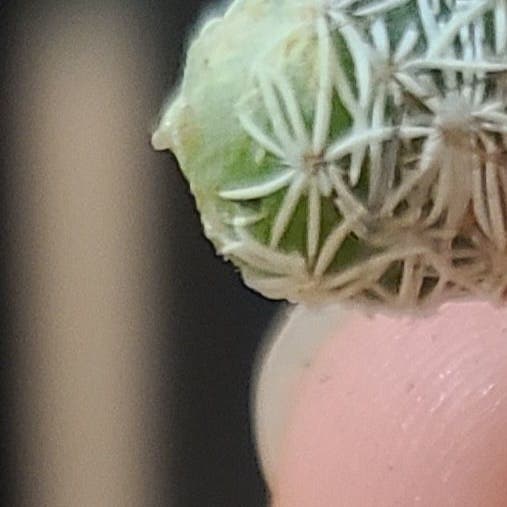
Why Are My Coryphantha delicata Leaves Droopy?
Coryphantha delicata
By the Greg Editorial Team
Feb 27, 2024•4 min read
This article was created with the help of AI so we can cover more plants for you. May contain errors. See one? Report it here.
Perk up your Coryphantha delicata 🌵 with the right fixes for droopy leaves and ensure its vibrant health!
- Under/overwatering causes droopiness, check soil moisture with your finger.
- Bright, indirect light and stable temperature are key for healthy leaves.
- Adjust care seasonally and consider tech for consistent watering.
Pinpointing the Culprit: Common Causes of Droopy Leaves
🏜️ Underwatering Woes
Wilted leaves are the Coryphantha delicata's SOS for water. They droop, resembling a deflated balloon. To test soil moisture, stick your finger an inch deep. If it's bone-dry, it's time to hydrate.
🚰 The Perils of Overwatering
Overwatering symptoms include yellowing leaves and a general look of despair. If the soil feels soggy, cease watering immediately. To rescue, ensure the pot has proper drainage and consider repotting with fresh, well-draining soil.
🌞 Sunlight and Temperature: Finding the Sweet Spot
Too much sunlight scorches leaves, while too little leaves them languishing. Place your Coryphantha delicata in bright, indirect light. Maintain a consistent temperature to avoid shocking its system.
First Aid for Droopy Leaves
💧 Adjusting Your Watering Technique
Watering is more art than science. To revive droopy leaves, water only when the top inch of soil is dry. Use room-temperature water to avoid shocking the roots. Consistency is key, so adjust your watering schedule to the plant's response.
🛠 Tools and Tricks for Maintaining Perfect Moisture Levels
A moisture meter can be your best friend, providing an accurate read on when it's time to water. Alternatively, your finger can be a reliable tool for testing soil dryness. Ensure pots have drainage holes to prevent waterlogging.
🌱 Soil and Repotting: Laying the Foundation for Recovery
🚰 Assessing Soil Drainage and When to Repot
Check if the soil drains well; if not, consider repotting. A mix of potting soil with perlite or sand improves drainage. Repot when roots peek out of the drainage holes or the plant seems constricted.
🌿 Choosing the Right Soil Mix for Your Coryphantha delicata
Opt for a well-draining soil mix. Ingredients like coco coir or peat moss help retain moisture without becoming soggy. The right mix allows roots to access both water and oxygen.
🌞 Light and Temperature Tweaks
⭐ Creating the Ideal Light Environment
Coryphantha delicata thrives in bright, indirect light. Too much direct sunlight can scorch leaves, while too little can weaken the plant. Adjust your plant's position to find the sweet spot.
🌡 Keeping Your Plant Cozy: Temperature Tips
Maintain a stable temperature, avoiding drafts and direct heat sources. Your plant dislikes extremes as much as a polar bear dislikes a sauna. Aim for a consistent, plant-friendly climate.
Building Resilience: Preventing Future Flop
🚰 Crafting a Watering Schedule
Implementing a watering schedule isn't about chaining yourself to the calendar. It's about syncing with your plant's thirst cues. Ditch the rigid timetable; instead, observe and respond to your Coryphantha delicata's needs. Use a moisture meter or the finger test to check soil dampness. Water when the top inch feels dry, not because Tuesday is watering day.
Technology can be your ally here. Set reminders on your phone or invest in a smart irrigation system that adapts to moisture levels. This isn't just convenience; it's about giving your plant a consistent sip, not a gulp, to prevent future flops.
🌞 Environmental Harmony
Long-term light and temperature stability is like a steady relationship—it's all about commitment and slight adjustments. Your plant doesn't need a sunbath nor a cave; it craves the right balance. Position it where it gets bright, indirect sunlight, and shield it from the midday scorch.
As for temperature, think of your plant as a Goldilocks guest; not too hot, not too cold. Avoid drafts and direct heat sources. Remember, seasonal changes mean shifting your plant's spot to maintain that comfy zone.
Protecting your Coryphantha delicata from seasonal mood swings involves a bit of foresight. As the seasons turn, tweak your care routine. Less water in the chill of winter, more vigilance during the summer blaze. It's like swapping out your wardrobe but for your plant's benefit.
⚠️ Safety First
This content is for general information and may contain errors, omissions, or outdated details. It is not medical, veterinary advice, or an endorsement of therapeutic claims.
Always consult a qualified healthcare professional before using any plant as food, medicine, or supplement.
Never eat any plant (or feed one to pets) without confirming its identity with at least two trusted sources.
If you suspect poisoning, call Poison Control (800) 222-1222, the Pet Poison Helpline (800) 213-6680, or your local emergency service immediately.
Spotted an error? Please report it here.
Ensure your Coryphantha delicata leaves are always perky, not droopy, by letting Greg's custom care plans and timely reminders 💧 guide you to watering perfection.