Best Tips for Healthy Cory Cactus Roots 🌵
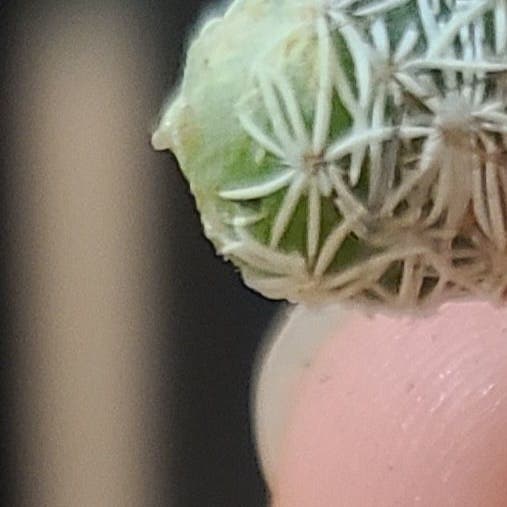
Coryphantha delicata
By the Greg Editorial Team
Sep 28, 2024•5 min read
This article was created with the help of AI so we can cover more plants for you. May contain errors. See one? Report it here.
Master cory cactus root care for vibrant growth and resilience in any environment! 🌱
- 🌵 Cory cactus roots absorb water efficiently, thriving in arid conditions.
- 💧 Water only when top soil is dry to prevent root rot.
- 🌱 Healthy roots are crucial for propagation and overall cactus health.
Type of Root System
🌱 Characteristics
The cory cactus boasts a fibrous root system that is both efficient and effective. These shallow roots spread widely, allowing the plant to absorb water quickly, which is crucial in arid environments.
This design is a survival mechanism, enabling the cactus to capture moisture from light rains or morning dew. Such adaptability is vital for thriving in challenging conditions where water is scarce.
Understanding this root structure can help you provide better care for your cactus, ensuring it remains healthy and vibrant. As we delve deeper into root health, you'll discover how to nurture these roots for optimal growth.
Root Depth, Spread, and Growth Patterns
🌱 Depth and Spread
Cory cactus roots typically reach a depth of 6-12 inches, influenced by the soil's characteristics. These roots can spread horizontally up to 2-3 feet, allowing the plant to efficiently absorb nutrients and moisture.
📈 Growth Patterns
The growth rate of these roots is moderate, primarily expanding during the growing season. However, during extreme heat or drought, they may enter a dormant phase, conserving energy until conditions improve.
Understanding these root dynamics is crucial for maintaining a healthy cory cactus. With the right care, you can ensure robust growth and vibrant health, setting the stage for the next section on watering, fertilizing, and transplanting.
Watering, Fertilizing, and Transplanting
💧 Impact on Watering
Watering your delicate cory cactus is crucial for its root health. Aim to water when the top 1-2 inches of soil are dry, ensuring the roots get the moisture they need without becoming waterlogged.
Deep watering is the best method to encourage roots to expand. This technique allows water to penetrate deeper into the soil, promoting a robust root system that can better access nutrients and moisture.
🌱 Fertilization Techniques
Fertilizing your cactus is essential for its growth and vitality. During the growing season, apply a diluted, balanced cactus fertilizer every 4-6 weeks to support root health.
Using the right type of fertilizer can make a significant difference. A balanced formula ensures your cactus receives the necessary nutrients without overwhelming its delicate system.
🌼 Best Practices for Transplanting
Transplanting is a vital process for maintaining your cactus's health. The best time to do this is in spring or early summer when the plant is actively growing.
Follow these steps for a successful transplant:
- Prepare a well-draining cactus mix to prevent root rot.
- Gently remove the cactus from its pot, being careful not to damage the roots.
- Place it in a new pot that is 1-2 inches larger in diameter to give it room to grow.
Transplanting can be a bit tricky, but with care, your cactus will thrive in its new home. Proper watering and fertilization will set the stage for healthy growth as you move forward.
Common Root-Related Issues
🕵️ Identifying and Preventing Root Rot
Root rot is a sneaky problem that can devastate your delicate cory cactus. Watch for signs like wilting, yellowing leaves, and mushy roots; these are clear indicators that something's off.
The main culprits behind root rot are overwatering and poor drainage. If your cactus is sitting in soggy soil, it's a recipe for disaster.
🛠️ Solutions
To keep root rot at bay, start with well-draining soil and pots equipped with drainage holes. This setup allows excess water to escape, preventing the roots from drowning.
Additionally, keep a close eye on your watering habits. Adjust your routine based on environmental conditions to ensure your cactus gets just the right amount of moisture.
By following these tips, you can maintain healthy roots and enjoy a thriving cactus. Next, let’s explore how to recognize indicators of root health.
Indicators of Root Health
👀 Visual Cues
Healthy roots are a gardener's dream. Look for roots that are firm and exhibit a white or light tan color, indicating vitality.
In contrast, unhealthy roots can spell trouble. Dark, mushy, or foul-smelling roots suggest rot, which can jeopardize your cactus's health.
📊 Other Indicators
Plant vigor is another key indicator of root health. A thriving cactus will showcase healthy growth and vibrant flowering patterns.
Soil moisture levels also play a crucial role. Aim for consistent moisture without waterlogging, as this balance is essential for robust root development.
By keeping an eye on these indicators, you can ensure your delicate cory cactus thrives. Next, let’s explore how to recognize and address rootbound conditions for optimal growth.
Recognizing and Addressing Rootbound Conditions
Definition and Signs 🌱
Rootbound conditions occur when a cactus's roots circle around the pot, limiting its growth potential. You can spot this issue if you see roots growing out of the drainage holes, experience stunted growth, or notice poor water absorption.
Steps to Take 🛠️
If you suspect your cactus is rootbound, follow these steps to help it thrive:
- Gently remove the cactus from its pot.
- Trim any circling roots to encourage new growth.
- Repot in a larger container with fresh soil.
Addressing rootbound conditions is crucial for maintaining a healthy cactus. By providing ample space for root expansion, you ensure your plant can absorb nutrients and moisture effectively.
Next, let’s explore the importance of root health in propagation.
Importance of Root Health in Propagation
Techniques for Dividing and Propagating 🌱
Healthy roots are essential for successful propagation of your delicate Cory cactus. One effective method is division, which allows you to create new plants while ensuring the parent plant remains vigorous.
Carefully separate offsets or pups from the main plant. This step requires a gentle touch to avoid damaging the roots.
Allow cut ends to callous for 1-2 days before planting. This crucial step helps prevent rot when you place them in soil.
Plant in well-draining soil and water lightly until established. This ensures the new plants have the right environment to thrive.
By following these steps, you not only promote healthy root growth but also expand your cactus collection. Healthy roots lead to robust plants, making propagation a rewarding experience.
As you dive deeper into cactus care, understanding root health will enhance your gardening journey. Next, we’ll explore how to recognize and address rootbound conditions, ensuring your plants continue to flourish.
⚠️ Safety First
This content is for general information and may contain errors, omissions, or outdated details. It is not medical, veterinary advice, or an endorsement of therapeutic claims.
Always consult a qualified healthcare professional before using any plant as food, medicine, or supplement.
Never eat any plant (or feed one to pets) without confirming its identity with at least two trusted sources.
If you suspect poisoning, call Poison Control (800) 222-1222, the Pet Poison Helpline (800) 213-6680, or your local emergency service immediately.
Spotted an error? Please report it here.
Keep your cory cactus thriving with healthy roots 🌵 by using Greg's tailored watering reminders and expert care tips to ensure your plant flourishes!