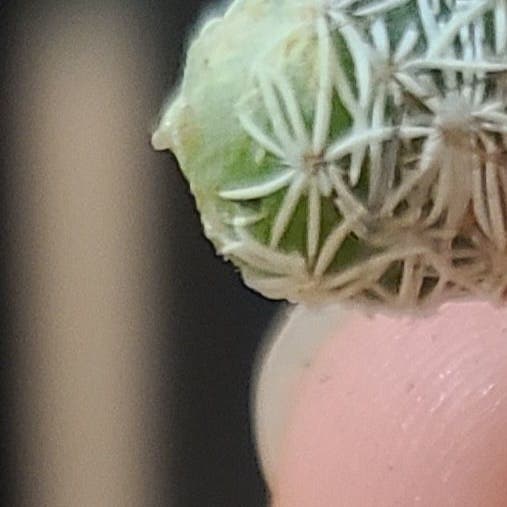
🌵 4 Companions to Boost Your Delicate Cory Cactus's Growth
Coryphantha delicata
By the Greg Editorial Team
Sep 28, 2024•5 min read
This article was created with the help of AI so we can cover more plants for you. May contain errors. See one? Report it here.
Boost your garden's health 🌱 by pairing your delicate Cory cactus with ideal companion plants for thriving growth!
- 🌵 Echeveria and Aloe Vera thrive with Cory cactus, sharing light and watering needs.
- 🐞 Sedum repels pests, enhancing Cory cactus health while thriving in similar conditions.
- 🌿 Avoid aggressive plants like mint to prevent resource competition and root entanglement.
Best Companion Plants for Delicate Cory Cactus
🌼 Echeveria
Echeveria is an excellent companion for your delicate Cory cactus due to its similar care needs. Both thrive in bright light and well-draining soil, requiring minimal watering, which aligns perfectly with cactus care.
Visually, Echeveria adds a splash of color and variety to your garden. Its diverse shapes and hues enhance the overall aesthetic, making your plant arrangement more vibrant and appealing.
🌱 Sedum
Sedum is another fantastic choice, known for its pest-repellent properties. It contains natural compounds that deter common pests, keeping your cacti healthier.
Moreover, Sedum grows well under similar conditions as Cory cactus. This compatibility ensures that both plants can flourish together without competing for resources.
🌿 Aloe Vera
Aloe Vera forms a symbiotic relationship with cacti, sharing similar environmental preferences. Both plants thrive in well-draining soil and require infrequent watering, making them ideal partners.
Additionally, Aloe Vera's resilience complements the Cory cactus's needs, creating a harmonious garden environment. This pairing not only benefits growth but also enhances the overall health of your plants.
🌵 Haworthia
Haworthia is perfect for those looking for low water requirements. Its drought tolerance aligns seamlessly with the needs of your Cory cactus, ensuring both plants thrive together.
The compact growth habit of Haworthia allows for effective space utilization. This makes it a smart choice for smaller gardens or pots, adding depth without overcrowding.
Incorporating these companion plants can significantly enhance the growth and health of your delicate Cory cactus. Next, let’s explore which plants to avoid to ensure your cactus thrives.
Plants to Avoid Near Delicate Cory Cactus
🚫 Aggressive Growers (e.g., Mint)
When selecting companions for your delicate Cory cactus, it's crucial to steer clear of aggressive growers like mint. These plants can overshadow your cactus, competing fiercely for resources and potentially leading to nutrient depletion.
Additionally, the risk of root entanglement is significant. Mint's vigorous growth can intertwine with your cactus's roots, creating a tangled mess that hampers both plants' health.
💧 High Moisture Plants (e.g., Ferns)
Another category to avoid includes high moisture plants, such as ferns. These plants thrive in humid environments, which can spell trouble for your cactus, as excess moisture often leads to root rot.
In general, steer clear of any plants that require high humidity or frequent watering. Keeping these moisture-loving plants at bay will help ensure your Cory cactus remains healthy and thriving.
By choosing the right companions and avoiding these incompatible plants, you can create a flourishing environment for your delicate Cory cactus. Next, let’s explore how companion planting can enhance pest management and promote a balanced ecosystem.
Pest Management through Companion Planting
Companion planting is a powerful strategy for managing pests in your garden. By selecting the right plants, you can create a natural barrier against pests that threaten your delicate Cory cactus.
🌿 Natural Pest Deterrents
Certain companion plants act as natural repellents. They can deter unwanted insects while attracting beneficial ones that prey on pests.
- Beneficial Insects: Plants like marigolds attract ladybugs and lacewings, which feast on common pests.
- Repellent Compounds: Some plants release compounds that repel pests, creating a protective shield around your cactus.
🐛 Common Pests Affecting Cory Cactus
Understanding the specific pests that target your Cory cactus is crucial for effective management.
- Mealybugs: These pests suck sap from your cactus, weakening it over time.
- Aphids: Known for their rapid reproduction, aphids can quickly infest your plants.
- Spider Mites: These tiny pests thrive in dry conditions and can cause significant damage.
🌼 Creating a Balanced Ecosystem
Companion plants play a vital role in fostering a balanced ecosystem.
- Enhanced Plant Health: By diversifying your garden, you improve overall plant health and resilience.
- Reduced Infestation Risks: A well-planned companion planting strategy minimizes the likelihood of pest outbreaks.
Incorporating companion plants not only protects your Cory cactus but also enriches your garden's biodiversity. As you explore this method, you'll find that a harmonious plant community can lead to thriving growth and fewer pest problems.
Next, let’s dive into the visual appeal and aesthetic considerations when selecting companion plants.
Visual Appeal and Aesthetic Considerations
Creating a visually harmonious garden is essential when selecting companion plants for your delicate Cory cactus. Choosing plants that complement each other in color and shape can elevate your garden's overall aesthetic.
🌿 Tips for Arranging Companion Plants
To enhance depth in your garden, layer taller plants behind shorter ones. This arrangement not only creates visual interest but also ensures that each plant gets the light it needs.
Grouping plants with similar textures can also contribute to a cohesive look. For instance, pairing smooth-leaved succulents with more textured varieties can create a striking contrast.
🌸 Seasonal Considerations for Visual Appeal
Selecting companion plants that bloom at different times can provide year-round interest. This strategy ensures that your garden remains vibrant and engaging throughout the seasons.
By thoughtfully considering visual harmony and arrangement, you can create a stunning display that highlights your delicate Cory cactus while fostering a thriving ecosystem. Next, let’s explore which plants to avoid to maintain the health of your cactus.
⚠️ Safety First
This content is for general information and may contain errors, omissions, or outdated details. It is not medical, veterinary advice, or an endorsement of therapeutic claims.
Always consult a qualified healthcare professional before using any plant as food, medicine, or supplement.
Never eat any plant (or feed one to pets) without confirming its identity with at least two trusted sources.
If you suspect poisoning, call Poison Control (800) 222-1222, the Pet Poison Helpline (800) 213-6680, or your local emergency service immediately.
Spotted an error? Please report it here.
Boost your Cory cactus's growth with perfect companions like Echeveria and Aloe Vera 🌵, and let Greg provide tailored care reminders to keep your garden thriving and pest-free!