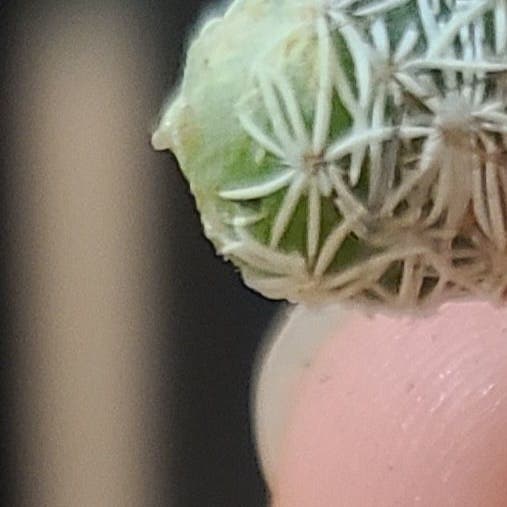
Best Soil for Coryphantha delicata
Coryphantha delicata
By the Greg Editorial Team
Feb 27, 2024•4 min read
This article was created with the help of AI so we can cover more plants for you. May contain errors. See one? Report it here.
Thrive your cactus 🌵 with the perfect soil mix, avoiding root rot and unlocking robust growth!
- 🌵 Coarse sand and perlite are key for Coryphantha delicata soil.
- Balance moisture and aeration to prevent root rot and stunted growth.
- Refresh or replace soil as needed, repot with care.
Spotting Trouble: When Soil Goes Bad
🚨 Telltale Signs of Unhappy Soil
Mold is the uninvited guest in your Coryphantha delicata's pot. Spotting a fuzzy growth? That's your cue to act. A musty smell is another red flag; your soil is crying out for help. It's too wet, and that's bad news for your cactus.
👃 Smell Test: What Does Unhealthy Soil Smell Like?
A whiff of something off? That's the stench of soil distress. Healthy soil won't hit your nose with a wave of decay. If it does, it's time for a soil intervention.
💣 The Fallout of Faulty Soil
Root rot is the cactus equivalent of a horror movie; it's the villain that lurks below. If your cactus's roots are mushy or smell like they've turned, you're in deep trouble.
🌱 Stunted Growth and Other Soil-Related Setbacks
Soil gone bad means your cactus's growth hits a wall. Look out for yellowing leaves or a general vibe of plant despair. It's not just a phase; it's a sign your soil needs a serious makeover.
The Dream Soil Mix for Coryphantha delicata
💧 Key Ingredients for Success
Coarse sand and perlite are the unsung heroes in the cactus soil saga. They ensure your Coryphantha delicata isn't wading in moisture, which is a big no-no. These components keep the soil loose and aerated, giving roots the equivalent of a spacious yoga studio to stretch out in.
Gritty materials like pumice or fine gravel are like the secret handshake among cactus enthusiasts. They're not just there to look pretty; they provide the drainage and support your cactus craves. Think of them as the bouncers at the root club, keeping the riff-raff (excess water) out.
⚖️ Balancing Act: Water Retention vs. Aeration
Striking the right moisture balance is like walking a tightrope. Too much water, and you're on a slippery slope to root rot. Too little, and your cactus is as parched as a desert wanderer's dream of an oasis. The goal is to mimic the natural, arid conditions of the Coryphantha delicata's habitat.
Aeration techniques are not rocket science, but they're just as crucial. Loosening the soil surface occasionally gives your cactus's roots room to breathe. It's the equivalent of opening a window in a stuffy room – a simple, yet effective breath of fresh air for your plant's underground parts.
DIY Soil Mix: Your Cactus Will Thank You
🌵 Crafting the Perfect Blend
Gather your materials – you'll need a container, measuring scoop, perlite, coarse sand or horticultural grit, low-nutrient potting compost, and pine bark. Avoid ingredients that retain too much water; they're a no-go for your desert dweller.
- Measure out the components using a simple ratio: 2 parts potting soil, 2 parts coarse sand, and 1 part perlite or pumice.
- Moisten the potting soil to minimize dust.
- Combine the ingredients in your container, getting hands-on to ensure an even mix.
- Adjust the texture by adding more sand or perlite as needed. Your goal is a loose, well-draining concoction.
🌵 Long-term Soil Care
Refresh your soil mix periodically. Cacti aren't high-maintenance, but they don't thrive on neglect either.
- Check the mix every few months, looking for compacting or breakdown of organic materials.
- Replenish nutrients by adding fresh compost or a slow-release fertilizer designed for cacti.
- Stay vigilant for signs of soil fatigue, like poor drainage or a change in texture, and be ready to remix or replace as necessary.
Keep your homemade mix crisp and airy. Your cactus's roots need to breathe, and they'll reward your efforts with vigorous growth.
When to Call It Quits: Replacing vs. Reviving Soil
💊 Revive or Replace? Making the Call
Reviving your Coryphantha delicata's soil is like giving it a caffeine boost—it can perk up a tired mix. But sometimes, you need to replace the soil entirely. If the soil is as dry as a desert or as soggy as a marshland, it's time to start fresh. Look for roots that are more crowded than a rush-hour subway or soil that's as nutrient-depleted as a fast-food diet. These are clear indicators that your cactus is craving new digs.
🏡 Repotting the Right Way
When repotting, think of it as a home renovation for your Coryphantha delicata. Start by gently teasing out the roots, shaking off the old soil like a dog after a bath. This is prime time to check for root rot or other issues. If you find any, it's like discovering termites—time for a complete overhaul. Choose a well-draining mix that's as light and airy as a cloud. Remember, repotting is not just a change of scenery; it's a complete refresh of your cactus's living environment.
⚠️ Safety First
This content is for general information and may contain errors, omissions, or outdated details. It is not medical, veterinary advice, or an endorsement of therapeutic claims.
Always consult a qualified healthcare professional before using any plant as food, medicine, or supplement.
Never eat any plant (or feed one to pets) without confirming its identity with at least two trusted sources.
If you suspect poisoning, call Poison Control (800) 222-1222, the Pet Poison Helpline (800) 213-6680, or your local emergency service immediately.
Spotted an error? Please report it here.
Revitalize your Coryphantha delicata's growth with a custom soil-refresh reminder 🌵 from Greg, ensuring perfect balance and health for your spiky friend.