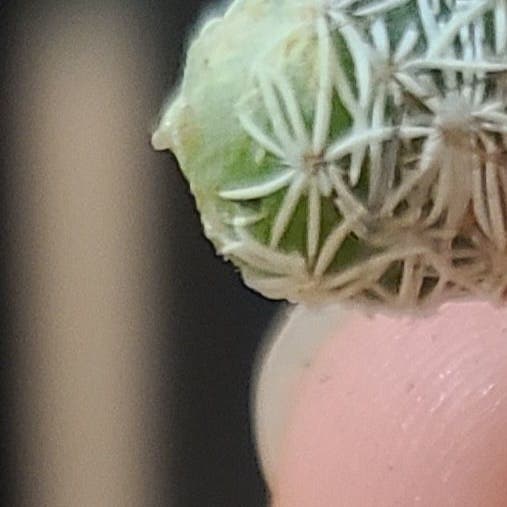
Why Are My Coryphantha delicata Leaves Curling?
Coryphantha delicata
By the Greg Editorial Team
Feb 27, 2024•5 min read
This article was created with the help of AI so we can cover more plants for you. May contain errors. See one? Report it here.
Solve your Coryphantha's leaf curl conundrum 🌵 for a lush, happy plant life.
- 🌞🌡️ Bright, indirect light and stable temperatures prevent leaf curling.
- 💧🌵 Well-draining soil and proper watering keep leaves flat and healthy.
- 🕵️♂️ Inspect regularly for pests and diseases, treat with neem oil or fungicide.
When the Environment Gets Tough
💡 Light and Temperature Troubles
Too much or too little light can turn your Coryphantha delicata's leaves into a botanical fiasco. They might curl up as if trying to hide from an overzealous sun or stretch desperately in dim conditions. Bright, indirect sunlight is the sweet spot for these desert dwellers.
Temperature swings are like mood swings for plants; they're not fun for anyone. Keep the thermostat steady to avoid leaf curl drama. Avoid drafts and direct heat sources like they're the plague. Think of providing a stable microclimate as creating a cozy den for your cactus.
🌬️ Humidity: Finding the Sweet Spot
Humidity can be a sneaky beast. Too low, and your plant's leaves will curl up tighter than a rolled yoga mat. Too high, and they might go limp, like overcooked spaghetti. Aim for 40%-60% humidity to keep your Coryphantha delicata from throwing a leafy tantrum.
To maintain this ideal humidity, consider a humidifier or a pebble tray. It's like giving your plant a personal spa day, every day. Keep an eye on the moisture in the air; it's as crucial as remembering to water the plant itself.
Water Woes: Striking the Right Balance
🌊 The Perils of Over and Underwatering
Curling leaves on your Coryphantha delicata can be a distress signal; they're either drowning in love or parched from neglect. Overwatering leads to yellowing leaves and a general look of despair, while underwatering results in droopy, brown-tipped leaves that are as sad as they sound. Bone-dry soil is a dead giveaway that your plant is more dehydrated than a raisin in the sun.
To avoid the perils of over and underwatering, stick your finger into the soil. If it's dry an inch down, it's time for a drink. But remember, consistency is key—watering schedules are more guidelines than gospel. Adapt to your plant's needs, which can change with the weather and seasons.
🌱 Soil and Moisture: The Dynamic Duo
The right soil is like a good partner for your plant—it should support but not smother. Well-draining soil is non-negotiable; it's the difference between a healthy plant and a swampy mess. If you're constantly battling overwatering, consider a soil intervention. A mix with perlite or sand can improve drainage and aeration, giving roots the space to breathe.
To check soil moisture, do the touch test. If the top inch feels like a dry wasteland, it's time to water. If it clings to your finger like a needy ex, hold off on the H2O. And remember, your plant's thirst can vary. During a heatwave, it might drink like there's no tomorrow, while in cooler times, it sips slowly. Keep an eye on the soil's moisture and adjust your watering habits accordingly.
Battling Bugs and Fungus
🐛 Common Culprits: Pests that Cause Curling
Pests can turn a Coryphantha delicata into a war zone. Spider mites and aphids are notorious for causing leaf curling. They're tiny but their impact is huge, draining the plant's vitality and leaving behind a mess of curled leaves.
🕷 Spot the Invaders
Check for fine webbing or sticky residue under leaves. These are the calling cards of spider mites and aphids. Catching them early is crucial to prevent a full-blown infestation.
🐞 Evict the Pests
Home remedies like insecticidal soap or neem oil can be effective. Apply with precision, targeting the affected areas to avoid harming beneficial insects. For a natural approach, introduce predators like ladybugs to your plant's ecosystem.
🍄 Fungal Foes and Disease Dilemmas
Fungi and diseases can be silent but deadly, causing leaves to curl and discolor. Powdery mildew and leaf spot are common fungal adversaries that can sneak up on your plant.
🔍 Detecting Disease
Look for unusual spots or a powdery substance on leaves. These symptoms can signal a fungal infection. Act quickly to prevent the spread.
⚔️ Fight the Fungus
Remove affected foliage with sterilized shears to halt the spread. Treat with a fungicide, but always follow the label instructions. Overuse can stress your plant, so use these products judiciously. Remember, prevention is key—maintain good hygiene and air circulation around your Coryphantha delicata to keep it in fighting shape.
Curl No More: Proactive and Reactive Care
🌵 Quick Fixes for Immediate Relief
If your Coryphantha delicata is throwing a leaf-curling tantrum, it's time for some quick action. First, assess the watering situation. Too much or too little water can send your plant into a spiral. Adjust accordingly, and remember, moderation is your mantra.
🌵 Long-Term Love for Your Coryphantha delicata
Long-term care for your Coryphantha delicata means setting up a routine. Regular soil checks, consistent watering, and keeping an eagle eye out for pests will keep your plant in check. Think of it as the daily brushing and flossing of plant care—preventative measures save you from the root canal of plant disasters.
🌱 Soil and Fertilizer Wisdom
Choose a well-draining soil mix and pair it with a pot that breathes like a pair of well-worn sneakers. This dynamic duo prevents waterlogging and the dreaded root rot. A nutrient boost might be in order if leaves still look sad, but don't overdo it—think of fertilizer like hot sauce, a little goes a long way.
🌞 Temperature and Humidity Harmony
Stable temperatures and ideal humidity are like a cozy blanket for your plant. Avoid drastic swings that can cause stress. If your plant were a Goldilocks, it would want its environment just right.
🐜 Pest Patrol and Disease Defense
Regular inspections are your shield against pests and diseases. If you spot invaders, insecticidal soap or neem oil are your knights in shining armor. Prune away any affected areas to stop the spread and improve air circulation—it's like opening the windows to clear out a stuffy room.
📡 Proactive Monitoring
Stay vigilant. Catching a leaf curl early is like catching a typo before hitting send. Adjust care practices faster than a chameleon changes colors. If you're consistent, your Coryphantha delicata will reward you with flat, happy leaves.
⚠️ Safety First
This content is for general information and may contain errors, omissions, or outdated details. It is not medical, veterinary advice, or an endorsement of therapeutic claims.
Always consult a qualified healthcare professional before using any plant as food, medicine, or supplement.
Never eat any plant (or feed one to pets) without confirming its identity with at least two trusted sources.
If you suspect poisoning, call Poison Control (800) 222-1222, the Pet Poison Helpline (800) 213-6680, or your local emergency service immediately.
Spotted an error? Please report it here.
Prevent leaf curling and keep your Coryphantha delicata thriving 🌵 with Greg's personalized care reminders for the perfect balance of light, water, and pest control!