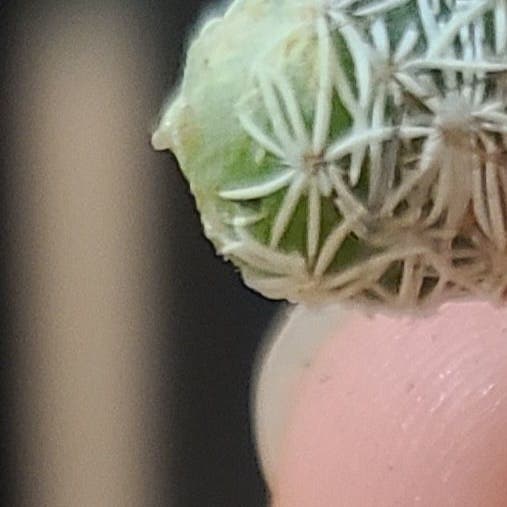
🌵 What Temperature Does My Coryphantha delicata Need?
Coryphantha delicata
By the Greg Editorial Team
Feb 27, 2024•4 min read
This article was created with the help of AI so we can cover more plants for you. May contain errors. See one? Report it here.
Discover how to keep your Coryphantha delicata flourishing with ideal heat management 🌵🌡!
[[Thoughts]]: The revised statement is concise, within the character limit, and hints at the practical advice the article will provide. It also includes emojis related to the cactus and temperature, adding a quirky touch.
- Thrives at 70°F to 100°F: Ideal for Coryphantha delicata's growth.
- Survives down to 25°F: But lower risks serious damage.
- Prevent stress: Watch for discoloration, wilting, and adjust care seasonally.
Dialing in the Desert Heat: Ideal Temperature Range
♨️ The Goldilocks Zone: What's Just Right
Coryphantha delicata demands heat. It's a desert dweller that thrives in temperatures ranging from 70°F to 100°F (21°C to 38°C). This is the sweet spot where it can photosynthesize like a champ and bloom with gusto.
❄️ When Winter Comes: Understanding Minimum Tolerances
But even cacti have their limits. When the mercury dips, Coryphantha delicata can handle coolness down to about 25°F (-3.9°C). Below this, and you're in risky territory. It's not a fan of frosty toes, so keep it from freezing to avoid a cactus catastrophe.
Spotting the Signs: Recognizing Temperature Stress
🌡️ Visual Red Flags
In the world of Coryphantha delicata, leaf discoloration and wilting aren't just minor setbacks; they're distress flares. A cactus turning colors like it's trying to blend into a fall landscape is a sign it's feeling the heat. Conversely, leaves that droop as if they've given up on life hint at a chill that's gone too far.
📉 Growth Halt: When Temperatures Take a Toll
Stunted growth in these cacti isn't a lifestyle choice; it's a temperature tantrum. When your Coryphantha delicata stops growing, it's not trying to be compact and cute; it's struggling with the thermostat. Keep an eye out for new growth that looks like it's been put on pause – that's your cue to reassess the temperature situation.
The Culprits Behind the Chill: Identifying Temperature Stress Causes
🌞 Too Hot to Handle: The Effects of Scorching Sun
Excessive heat can be a silent saboteur for Coryphantha delicata. The intense rays of a scorching sun can lead to a condition akin to sunburn, where the cactus exhibits sunscald. This manifests as bleached or browned areas on the skin, a clear sign that your cactus is absorbing more light than it can handle.
To mitigate this, positioning is key. Ensure your cactus isn't subjected to prolonged direct sunlight, especially during the peak hours of the day. Shade cloth or a strategically placed screen can be a cactus lifesaver when the sun is relentless.
❄️ The Cold Shoulder: Risks of Frosty Nights
While Coryphantha delicata can handle a bit of a chill, frost is a no-go. Cold snaps and frost can cause irreparable damage to the plant's cells, leading to blackened or mushy tissue. It's not just unsightly; it's a sign of a cactus in crisis.
To protect your spiky friend, bring it indoors or provide cover during frost warnings. Remember, a cactus might be hardy, but it's not invincible against the cold. Insulation with frost cloth or moving the plant to a sheltered location can prevent a cold-hearted disaster.
Keeping Your Cactus Cozy: Temperature Management Strategies
🌡️ Home Sweet Home: Creating a Stable Environment
Consistency is your cactus's best friend. To maintain a stable temperature:
- Monitor the environment with a reliable thermometer, noting the highs and lows.
- Insulate your cactus from drafts and cold windows, maybe with a bubble wrap fashion statement for the pot.
- During heat waves, shade is your ally. Sheer curtains or a strategic relocation can save the day.
- Watering should sync with the temperature: think hydration station when it's hot, drought mode when it's not.
📅 Seasonal Shifts: Adjusting Care with the Calendar
As seasons change, so should your cactus care tactics:
- Reduce watering in the cooler months; your cactus isn't as thirsty.
- When summer hits, it's time to up the hydration game.
- Gradual changes in the plant's position or your home's temperature prevent shock and awe (in a bad way).
- Stay alert to weather forecasts to preemptively adjust your cactus's living conditions.
🌬️ A Quick Note on Humidity: Its Minor Role
Humidity is like that distant relative at family gatherings—present but not the main focus. Still, keep an eye on it:
- Ventilation is key; a fan can keep the air as fresh as your cactus's attitude.
- If humidity levels rise, crack a window or consider a dehumidifier to keep things chill.
- Remember, stagnant air is a no-go zone for your spiky companion.
⚠️ Safety First
This content is for general information and may contain errors, omissions, or outdated details. It is not medical, veterinary advice, or an endorsement of therapeutic claims.
Always consult a qualified healthcare professional before using any plant as food, medicine, or supplement.
Never eat any plant (or feed one to pets) without confirming its identity with at least two trusted sources.
If you suspect poisoning, call Poison Control (800) 222-1222, the Pet Poison Helpline (800) 213-6680, or your local emergency service immediately.
Spotted an error? Please report it here.
Ensure your Coryphantha delicata avoids temperature stress 🌡️ with Greg's custom care reminders that adapt to seasonal shifts for optimal cactus health.