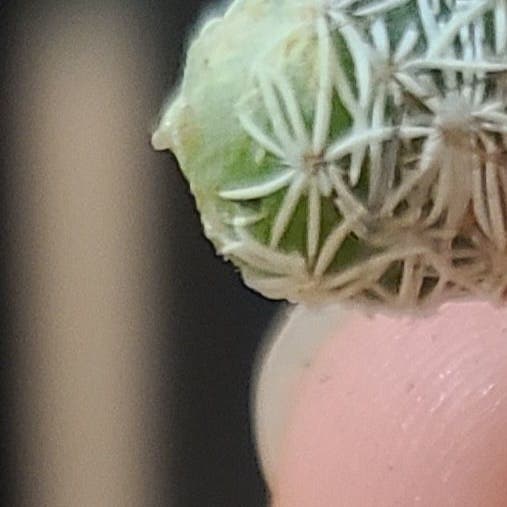
🌵 4 Factors for Optimal Delicate Cory Cactus Growth
Coryphantha delicata
By the Greg Editorial Team
Sep 28, 2024•6 min read
This article was created with the help of AI so we can cover more plants for you. May contain errors. See one? Report it here.
Cultivate a stunning Cory cactus at home 🌵 by mastering its ideal care and growing conditions for vibrant growth!
- 🌞 Cory cacti thrive in bright, indirect sunlight; avoid direct sun to prevent burns.
- 🌵 Use well-draining soil and pots for better moisture control and mobility.
- 🌡️ Maintain temperatures between 20°C to 30°C for optimal growth and health.
Optimal Growing Conditions
🌍 Choosing the Right Location
When deciding where to place your delicate Cory cactus, consider whether it will thrive indoors or outdoors. Indoor gardening offers controlled conditions, while outdoor settings can provide natural light and air circulation.
Container gardening is a fantastic option for cacti. It allows for easy mobility and better control over soil quality and drainage.
For outdoor cultivation, think about factors like sunlight exposure, wind protection, and drainage. A spot that receives morning sun and afternoon shade is often ideal.
☀️ Light Requirements
Cory cacti flourish in bright, indirect sunlight. This light exposure mimics their natural habitat, promoting healthy growth.
While they can tolerate some direct sunlight, limit exposure to avoid sunburn. If you notice signs of inadequate light, such as etiolation or weak growth, it’s time to adjust their location.
🌡️ Temperature and Humidity Preferences
The optimal temperature range for your cactus is between 20°C to 30°C (68°F to 86°F). Keeping them within this range ensures robust growth.
Cory cacti prefer low humidity, making them perfect for drier environments. However, if you live in a colder climate, be mindful of frost sensitivity and take protective measures during winter months.
With the right conditions, your Cory cactus can thrive beautifully. Next, let’s explore how to prepare the perfect soil for planting.
Soil Preparation and Planting
🌵 Best Soil Types for Cacti
Choosing the right soil is crucial for your delicate Cory cactus. You can opt for a commercial cactus mix, which is specifically formulated for cacti, or create your own homemade blend.
Well-draining soil is essential for cactus health. It prevents root rot and allows for proper moisture control, ensuring your cactus thrives.
💧 Soil Amendments for Improved Drainage
To enhance drainage, consider adding amendments like perlite, sand, or pumice. These materials help create air pockets in the soil, promoting healthy root development.
For optimal drainage, mix these amendments in a ratio of 1:1 with your base soil. This combination will provide the perfect environment for your cactus.
🪴 Step-by-Step Planting Instructions
- Selecting the right container: Choose a pot that is slightly larger than the cactus, ensuring it has adequate drainage holes.
- Preparing the soil mix: Combine your chosen soil with the amendments until well mixed.
- Planting depth: Position the cactus so that the top of the root ball is level with the soil surface.
- Watering after planting: Water lightly after planting to settle the soil, but avoid soaking it.
By following these steps, you’ll set your Cory cactus up for success. With the right soil and careful planting, your cactus will flourish and bring a touch of the desert into your home.
Next, we’ll explore how to effectively water and fertilize your cactus for optimal growth.
Watering and Fertilizing
Watering Frequency and Techniques 🌊
Cory cacti thrive on a consistent watering schedule, typically every 2 to 4 weeks during the growing season. This frequency ensures they receive enough moisture without becoming waterlogged.
For watering techniques, consider the soaking method, where you fully saturate the soil and allow excess water to drain. Alternatively, top watering can be effective, but always ensure the soil dries out between waterings to prevent root rot.
Signs of Overwatering and Underwatering 🚨
Recognizing the signs of overwatering is crucial. Look for yellowing leaves or mushy stems, which indicate too much moisture.
On the flip side, underwatering manifests as a wrinkled or shriveled appearance. Adjust your watering routine based on seasonal changes to keep your cactus healthy and happy.
Recommended Fertilizers and Feeding Schedule 🌱
When it comes to fertilizers, you have options: balanced fertilizers work well, but cactus-specific formulas can provide tailored nutrients.
Feed your cactus monthly during the growing season, and skip fertilization in winter. For best results, dilute the fertilizer and time your applications to maximize absorption.
With proper watering and fertilizing, your delicate Cory cactus will flourish. Next, let’s explore pruning and maintenance to keep your cactus in top shape.
Pruning and Maintenance
🌱 When and How to Prune
The best time to prune your delicate Cory cactus is early spring, just before the growth season kicks in. This timing ensures that your cactus can heal quickly and thrive after the cut.
For effective pruning, use sharp, clean tools to make precise cuts. This minimizes damage and promotes healthy regrowth, keeping your cactus looking its best.
🔍 Ongoing Care Routine for Healthy Growth
Regular inspections are crucial for spotting pests and diseases early. Keeping an eye on your cactus helps you catch issues before they escalate.
Adjust your care routine based on the growth stage of your cactus. Young cacti may need more attention, while mature ones can often thrive with less frequent care.
Maintaining cleanliness in the growing area is essential. A tidy environment reduces the risk of pests and diseases, ensuring your cactus remains healthy.
🌦️ Seasonal Care Adjustments
In winter, reduce watering and protect your cactus from frost. This helps prevent root rot and keeps your plant safe during colder months.
During summer, increase watering and monitor for signs of sunburn. Cacti can be sensitive to intense sunlight, so keeping an eye on their condition is vital.
By adapting your care to the seasons, you can ensure your Cory cactus remains vibrant and healthy year-round. This proactive approach sets the stage for a thriving plant, ready to face any challenges ahead.
Common Challenges and Solutions
🐛 Identifying and Managing Pests and Diseases
Cory cacti can fall prey to common pests like mealybugs, spider mites, and scale. Keep an eye out for signs of infestation, such as webbing, sticky residue, and discoloration on the plant.
To combat these pests, consider using insecticidal soap or neem oil. Manual removal can also be effective; just be sure to act quickly to prevent further damage.
🌱 Troubleshooting Growth Issues
If your cactus is experiencing slow growth, it may be due to inadequate light or improper watering. Adjusting these factors can often revive your plant's vigor.
Discoloration can signal nutrient deficiencies or environmental stress. Regularly check your cactus's conditions to ensure it thrives.
🌡️ Tips for Overcoming Environmental Challenges
Adapting care for varying humidity and temperature is crucial for cactus health. Indoor and outdoor conditions can differ significantly, so tailor your approach accordingly.
Monitoring environmental factors regularly will help you catch issues before they escalate. Stay proactive, and your delicate Cory cactus will flourish!
⚠️ Safety First
This content is for general information and may contain errors, omissions, or outdated details. It is not medical, veterinary advice, or an endorsement of therapeutic claims.
Always consult a qualified healthcare professional before using any plant as food, medicine, or supplement.
Never eat any plant (or feed one to pets) without confirming its identity with at least two trusted sources.
If you suspect poisoning, call Poison Control (800) 222-1222, the Pet Poison Helpline (800) 213-6680, or your local emergency service immediately.
Spotted an error? Please report it here.
Cultivate a thriving Cory cactus 🌵 by using Greg's tailored watering reminders and expert tips to keep your plant happy and healthy all year round!