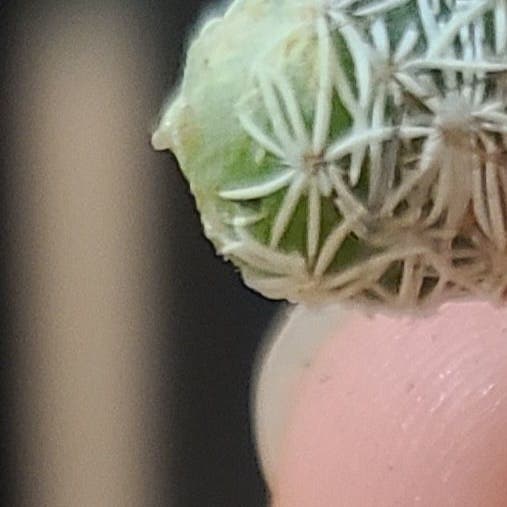
Why Are My Coryphantha delicata Leaves Dropping?
Coryphantha delicata
By the Greg Editorial Team
Feb 27, 2024•4 min read
This article was created with the help of AI so we can cover more plants for you. May contain errors. See one? Report it here.
Halt the leaf fall 🍂 and revive your Coryphantha delicata with these essential care tips.
- Water wisely to prevent leaf drop from underwatering or overwatering.
- Stable temps and light keep Coryphantha delicata leaves intact.
- Combat pests and root rot with swift action and proper soil.
Spotting the Signs: When Your Coryphantha delicata is Unhappy
🚰 Underwatering vs. Overwatering
Underwatering turns leaves into crispy critters, edges curling inwards as if trying to escape the dry spell. Overwatering, on the other hand, makes leaves soft and discolored, a sign they're drowning in excess moisture.
🌡️ Temperature Tantrums
Leaves dropping like flies? Could be your Coryphantha delicata throwing a temperature tantrum. Too hot and they'll wilt; too cold and they'll drop off in protest.
🐜 Uninvited Guests: Pests
Pests are party crashers. Webbing or sticky residue? Evict those mealybugs or spider mites ASAP. They're feasting on your plant's vitality, causing leaves to drop as a distress signal.
💔 The Silent Killer: Root Rot
Root rot is the plant version of a heart attack—silent but deadly. Mushy, discolored roots? It's a red flag. Leaves falling off are the final cry for help before it's too late.
Getting to the Root: Immediate Actions to Stop Leaf Drop
💧 Balancing the Watering Act
Quick adjustments to your watering routine can make a world of difference. If the soil is soggy, hold off on the H2O and let it dry out a bit. Too dry? Time for a drink. But remember, moderation is key—think of watering like a teeter-totter, you're aiming for a level ride, not wild ups and downs.
🏡 Creating a Cozy Environment
Your Coryphantha delicata craves stability. Avoid drafts and drastic temperature changes like you'd avoid a handshake with a cactus. Find a sweet spot where the temperature is as steady as a rock, and the light is as soft as a cloud's underbelly—bright but indirect.
🐜 Emergency Pest Control
Pests are like uninvited party crashers; deal with them swiftly. Inspect your plant like a detective at a crime scene. Spot the culprits? Isolate the plant and show those pests the door with a targeted, least-toxic treatment. Remember, the best offense is a good defense—regular check-ups are your plant's personal bodyguard.
Long-Term Care to Prevent Future Leaf Drop
💧 Perfecting Your Watering Technique
Watering is not a set-it-and-forget-it game. Tailor your schedule to your Coryphantha delicata's thirst, not the calendar. In the summer, it's a sponge, soaking up more H2O. Come winter, it's more camel-like, needing less. Always feel the soil first—it's the truth teller. Too damp? Skip the drink.
🌡️ Stabilizing the Growing Conditions
Your plant craves consistency like a cat craves catnip. Temperature swings? Big no-no. Find that Goldilocks zone where it's not too hot, not too cold, and keep it there. Light levels should be steady, too—bright but not scorching. Think of it as setting the stage for an encore, not a swan song.
🐜 Ongoing Pest Vigilance
Pests are party crashers. Routine checks are your bouncer, keeping those freeloaders at bay. Spot a bug? Show it the door with a swift treatment. And prevention? It's like brushing your teeth—do it regularly or brace for a world of hurt. Keep those leaves clean and the pests will think twice before setting up camp.
Soil and Repotting: The Foundation of Health
🌱 Choosing the Right Soil Mix
Selecting the right soil for your Coryphantha delicata is like picking the best mattress for a good night's sleep. It's all about balance. You need a mix that drains well yet retains enough moisture to keep the roots hydrated but not soggy. A combination of coco coir, perlite, and bark creates a loose structure that allows water to flow freely. This prevents the dreaded root rot by ensuring the roots aren't sitting in water.
🏡 The Art of Repotting
Repotting is like giving your plant a new home, and timing is everything. Don't rush it; wait until your plant shows signs of being root-bound or when the soil is depleted. When it's time, choose a pot with drainage holes to prevent water from pooling at the bottom. A layer of pebbles can act as an extra precaution, helping to keep the roots dry. During the repotting process, be gentle. Remove the plant carefully, trim any dead roots, and place it in fresh, well-draining soil. This refresh can prevent leaf drop and give your Coryphantha delicata a renewed vigor.
⚠️ Safety First
This content is for general information and may contain errors, omissions, or outdated details. It is not medical, veterinary advice, or an endorsement of therapeutic claims.
Always consult a qualified healthcare professional before using any plant as food, medicine, or supplement.
Never eat any plant (or feed one to pets) without confirming its identity with at least two trusted sources.
If you suspect poisoning, call Poison Control (800) 222-1222, the Pet Poison Helpline (800) 213-6680, or your local emergency service immediately.
Spotted an error? Please report it here.
Keep your Coryphantha delicata thriving 🌿 with Greg's custom care plans, ensuring just-right watering and pest control to prevent those pesky leaf drops.