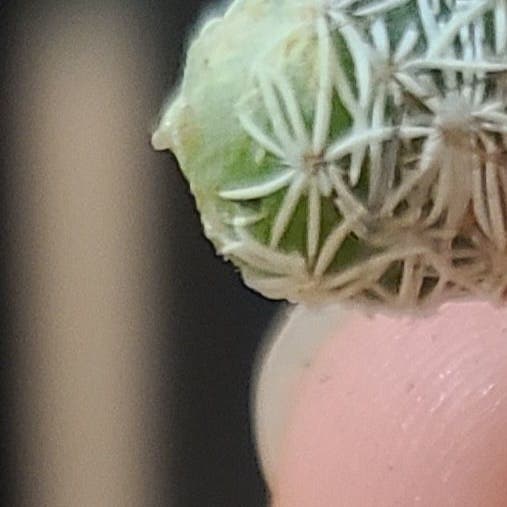
🌵 Delicate Cory Cactus: Not an Annual
Coryphantha delicata
By the Greg Editorial Team
Sep 28, 2024•4 min read
This article was created with the help of AI so we can cover more plants for you. May contain errors. See one? Report it here.
Transform your garden with the resilient Delicate Cory Cactus, a stunning symbol of nature's beauty! 🌵
- 🌵 Delicate Cory Cactus is a perennial, thriving for years unlike fast-growing annuals.
- 🌼 It flowers multiple times, offering continuous beauty throughout its long lifespan.
- 💧 Minimal care needed; deep watering and well-draining soil ensure its health and longevity.
Delicate Cory Cactus as a Perennial
🌱 Genetic Characteristics
The Delicate Cory Cactus boasts a unique genetic makeup that equips it for survival in harsh, arid environments. Its adaptations enable it to thrive where many other plants would struggle, showcasing remarkable resilience against drought and extreme temperatures.
🌵 Physiological Traits Supporting Perennial Classification
This cactus grows slowly but steadily, allowing it to sustain growth over many years. Its specialized structures enhance water retention and nutrient absorption, crucial traits for a perennial plant in challenging climates.
🌼 Long-Term Lifecycle and Growth Patterns
With a lifespan that can extend for many years, the Delicate Cory Cactus experiences multiple flowering cycles throughout its life. It undergoes distinct growth phases, starting with an initial establishment phase, followed by mature growth and vibrant flowering stages.
The Delicate Cory Cactus is not just a plant; it's a testament to nature's ingenuity. Understanding its perennial nature enriches our appreciation for these resilient beauties, paving the way for thoughtful garden design and care.
Lifecycle Comparison
Lifecycle of Delicate Cory Cactus vs. True Annuals 🌵
The Delicate Cory Cactus boasts an extended lifecycle compared to true annuals, which complete their growth in a single season. While annuals germinate, grow, flower, and die within a year, the Delicate Cory Cactus takes its time, establishing deep roots and enduring through multiple seasons.
This slow and steady approach allows the cactus to thrive in harsh conditions. Its lifecycle includes distinct stages: seed germination, juvenile growth, maturity, and flowering, each phase contributing to its resilience and longevity.
Flowering and Seed Production Differences 🌼
One of the standout features of the Delicate Cory Cactus is its ability to flower multiple times throughout its life. Unlike annuals that bloom once and produce seeds for immediate germination, this cactus can flower repeatedly, ensuring a continuous cycle of beauty.
Moreover, its seeds have remarkable longevity. They can remain dormant for extended periods, waiting for the right conditions to sprout, which is a stark contrast to the immediate germination seen in annuals.
Environmental Factors Affecting Lifecycle Perceptions 🌍
Climate plays a significant role in shaping perceptions of the Delicate Cory Cactus's lifecycle. Extreme weather can lead to misconceptions about its perennial nature, as prolonged droughts or harsh winters may cause it to appear dormant.
Additionally, regional variations affect growth patterns. In some areas, the cactus may flourish, while in others, it might struggle, highlighting the importance of understanding local environmental conditions for proper care and appreciation.
As we delve deeper into the implications of these lifecycle characteristics, we can explore how they influence garden design and management strategies for this unique perennial.
Garden Design Implications
Benefits of Incorporating Delicate Cory Cactus in Perennial Gardens 🌵
Delicate Cory Cactus brings a unique aesthetic to any garden with its striking shapes and vibrant colors. These cacti not only stand out visually but also add a touch of the exotic, making them a conversation starter.
In addition to their beauty, they are low maintenance. Unlike annuals that require constant attention, these perennials thrive with minimal care, allowing you to enjoy your garden without the stress of frequent upkeep.
Planning for Long-Term Growth and Flowering 🌼
When designing your garden, consider grouping Delicate Cory Cactus with other perennials. This creates a cohesive look that enhances the overall design while providing a supportive environment for growth.
Timing is crucial for optimal flowering. Understanding the cactus's flowering cycles will help you plan your garden layout effectively, ensuring that your space is vibrant and colorful throughout the seasons.
Incorporating Delicate Cory Cactus into your garden not only beautifies your space but also simplifies your gardening experience. As you explore these design strategies, you'll find that this resilient plant can be a cornerstone of your perennial garden.
Management Tips for Longevity
🌵 Best Practices for Caring for Delicate Cory Cactus as a Perennial
Caring for your Delicate Cory Cactus requires a few key practices to ensure its longevity. First, focus on watering: provide deep but infrequent watering to encourage the roots to grow deep into the soil.
Next, pay attention to soil requirements. Use well-draining soil to prevent root rot, which can be detrimental to your cactus's health.
❌ Common Mistakes to Avoid in Perennial Cactus Care
One of the most common mistakes is overwatering. This is the leading cause of decline in cactus health, so be cautious with your watering schedule.
Another pitfall is misunderstanding dormancy. Recognizing when your cactus is not actively growing is crucial; during this time, it needs less water and care.
By following these best practices and avoiding common mistakes, you can help your Delicate Cory Cactus thrive for years to come. With proper care, it will not only survive but flourish, adding beauty to your garden.
Next, let’s explore the benefits of incorporating the Delicate Cory Cactus into your perennial garden design.
⚠️ Safety First
This content is for general information and may contain errors, omissions, or outdated details. It is not medical, veterinary advice, or an endorsement of therapeutic claims.
Always consult a qualified healthcare professional before using any plant as food, medicine, or supplement.
Never eat any plant (or feed one to pets) without confirming its identity with at least two trusted sources.
If you suspect poisoning, call Poison Control (800) 222-1222, the Pet Poison Helpline (800) 213-6680, or your local emergency service immediately.
Spotted an error? Please report it here.
The Delicate Cory Cactus is a resilient perennial that thrives through multiple seasons, offering continuous beauty and low maintenance, so let Greg's custom care reminders 🌵 help you keep your cactus flourishing beautifully for years to come!