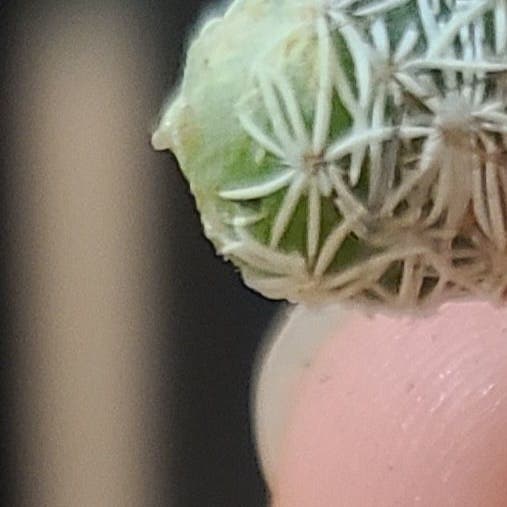
Why Are There Brown Spots on My Coryphantha delicata Leaves?
Coryphantha delicata
By the Greg Editorial Team
Feb 27, 2024•4 min read
This article was created with the help of AI so we can cover more plants for you. May contain errors. See one? Report it here.
Uncover the secret to banishing brown spots 🍂 from your Coryphantha delicata for a flawless cactus display!
- Brown spots can signal distress; investigate texture, size, and location.
- Overwatering and poor drainage often lead to brown spots and root issues.
- Balance sunlight and shade to prevent sunburn spots on your cactus.
Spotting the Trouble: Identifying Brown Spots on Your Plant
🕵️♂️ Visual Cues: The Look of Trouble
Brown spots on Coryphantha delicata can be a real mood-dampener. They might masquerade as dry, crusty patches or show up as mushy, dark areas. Consistency in their appearance is your cue; random patterns could be harmless, but a uniform look spells trouble.
🤔 Common Misconceptions: Not All Spots Are Created Equal
It's easy to mistake natural markings for the beginning of the end. Natural variations often have a pattern or repeat across the plant. In contrast, brown spots from distress lack symmetry and can be accompanied by a yellowish halo—a clear sign your plant is waving a white flag.
🔍 Decoding the Brown: A Closer Look
When investigating, consider the spot's texture. Soft and squishy suggests overwatering, while crispy spots might be your plant's silent protest against too much sun. And if they're bumpy? You might be hosting an unwanted fungus party.
📍 Location, Location, Location
Where these spots decide to crash can tell you a lot. Are they hogging the center stage on a leaf or lurking at the edges? Center spots often point to direct issues like disease, while edge spots could be due to environmental factors.
📏 Size and Quantity: The Bigger Picture
Don't overlook the size and quantity of these spots. A lone spot could be a minor hiccup, but if your plant's turning into a polka-dot print, it's time to act. Large blotches are particularly concerning and warrant immediate attention.
🆘 The SOS Signal: When to Worry
Keep an eye out for spots that look water-soaked at first, then turn dry and brown. These are your plant's version of an SOS signal, indicating that it's not just a surface-level issue.
The Usual Suspects: Common Causes of Brown Spots
🌊 Overwatering and Poor Drainage
Overwatering is the helicopter parent of plant care—well-intentioned but often detrimental. Your Coryphantha delicata's roots aren't equipped for a swimming gala. If the soil feels like a wet sponge, it's time to dial back the love. Soggy soil is a VIP pass for root rot and brown, mushy leaves.
☀️ Too Much Sun, Too Little Shade
Cacti love the sun, but too much can lead to a sunburn saga. If your Coryphantha delicata sports crispy, bleached spots, it's pleading for some shade. Gradual acclimation to bright light can prevent these solar scars. Remember, water droplets act like magnifying glasses under the sun, so avoid misting during peak hours.
🦠 Uninvited Guests: Fungal and Bacterial Infections
Fungal and bacterial infections are the crashers of the plant world, thriving in the lush conditions of overwatering and poor airflow. These pathogens leave behind brown spots with dark halos. Early detection and action are crucial—keep an eye out for these telltale signs to save your succulent from a spotty demise.
First Aid for Brown Spots
💧 Watering Woes: Getting It Just Right
Cacti are not fans of soggy feet. To prevent overwatering, wait until the top inch of soil is bone-dry. Only then should you consider a watering session.
🚰 The Drainage Dilemma
Ensure your pot has drainage holes. If not, it's time for a new home for your cactus. Mix in perlite or sand to make the soil well-draining.
🌞 Light and Shade: Finding the Balance
Your Coryphantha delicata craves sunlight, but not too much. Bright, indirect light is the sweet spot.
🛡️ Disease Defense: Fungus and Bacteria Be Gone
Fungi and bacteria are like uninvited guests at a party. If they show up, it's time for them to leave—stat.
💉 Treatment Tactics
Use a fungicide labeled for cacti, but follow the instructions meticulously. Overdoing it can harm more than help.
Prevention is Key
Keep an eye out for early signs of distress. Cleanliness and good airflow around your cactus can prevent a lot of problems.
⚠️ Safety First
This content is for general information and may contain errors, omissions, or outdated details. It is not medical, veterinary advice, or an endorsement of therapeutic claims.
Always consult a qualified healthcare professional before using any plant as food, medicine, or supplement.
Never eat any plant (or feed one to pets) without confirming its identity with at least two trusted sources.
If you suspect poisoning, call Poison Control (800) 222-1222, the Pet Poison Helpline (800) 213-6680, or your local emergency service immediately.
Spotted an error? Please report it here.
Banish those brown spots 🍂 from your Coryphantha delicata with Greg's tailored care plans, ensuring your plant's leaves stay as spotless as your plant care routine!