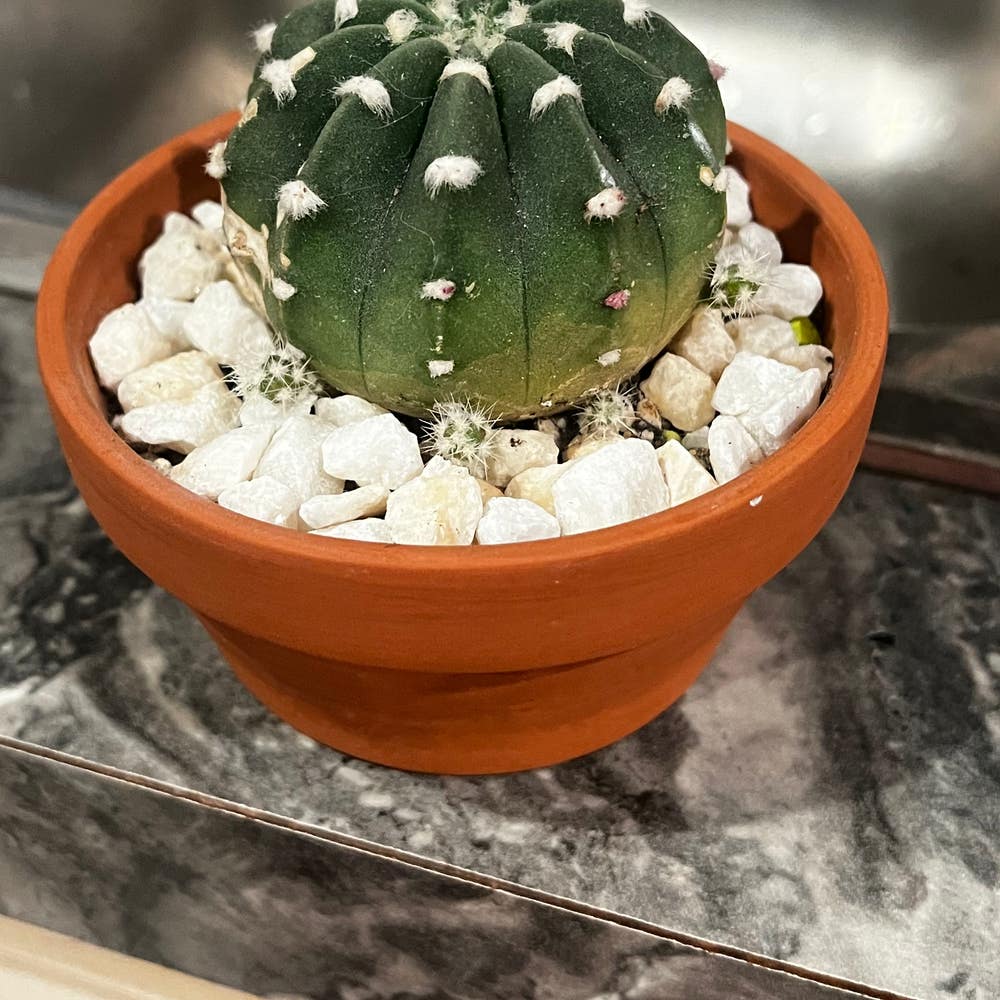
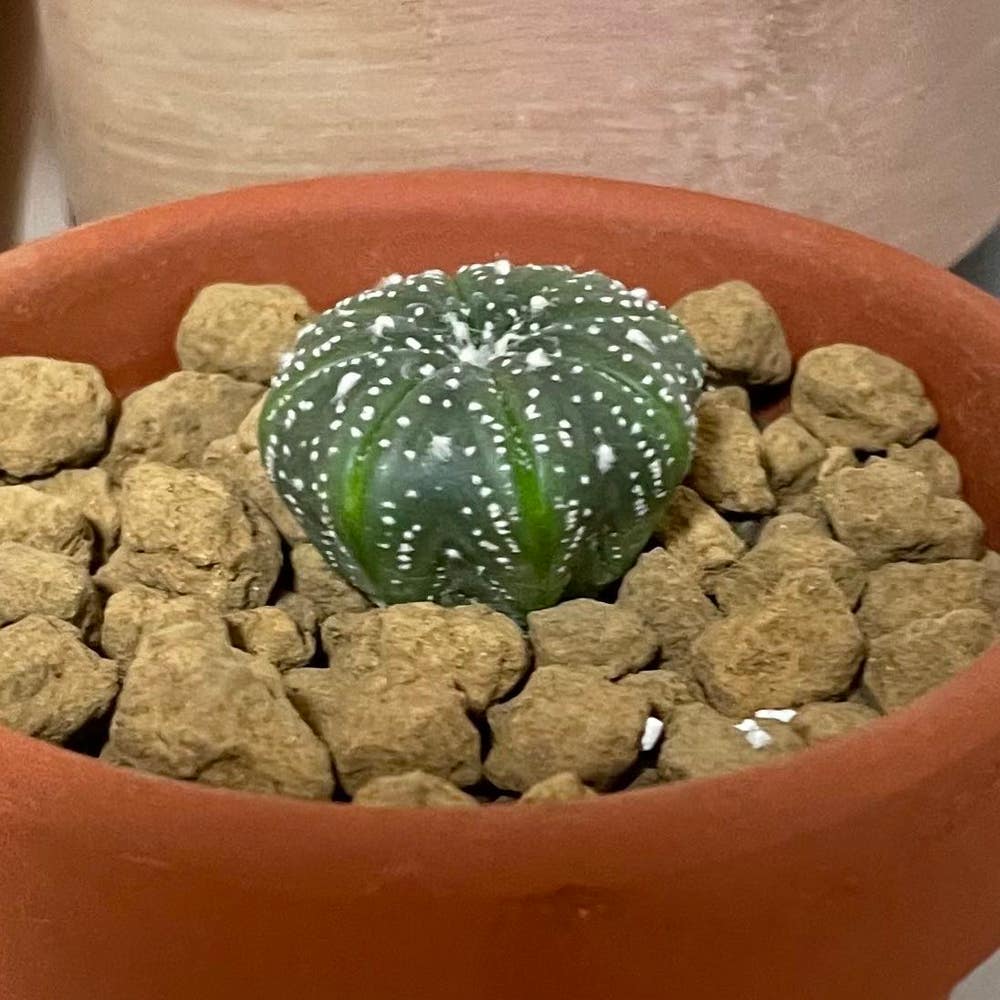
🐚 Sand Dollar Cactus: When to Plant
Astrophytum asterias
By the Greg Editorial Team
Sep 30, 2024•7 min read
This article was created with the help of AI so we can cover more plants for you. May contain errors. See one? Report it here.
- 🌡️ Know frost dates to safely plant your Sand Dollar Cactus and avoid damage.
- 🌞 Optimal soil temperature for germination is 70°F to 85°F (21°C to 29°C).
- 📅 Regional planting times vary; align with local climate for best results.
Frost Dates and Their Importance
Determining Frost Dates 🌨️
Understanding frost dates is crucial for successful gardening. The last frost date in spring marks when you can safely plant, while the first frost date in fall signals when to prepare for colder weather.
Knowing these dates protects your young plants from frost damage. Frost can stunt growth or even kill seedlings, so timing your planting is essential for a thriving garden.
Why Frost Dates Matter 📅
Frost dates serve as a guide for when to sow seeds or transplant seedlings. Planting too early can expose your plants to unexpected cold snaps, leading to disappointment.
By aligning your planting schedule with these dates, you ensure your plants have the best chance to flourish. This knowledge not only boosts your gardening success but also enhances your overall gardening experience.
As you prepare for planting, keep these frost dates in mind. They are the first step in creating a vibrant and healthy garden, setting the stage for the next topics on soil temperature and day length.
Soil Temperature Considerations
Ideal Soil Temperature 🌡️
For successful germination of the Sand Dollar Cactus, aim for a soil temperature between 70°F to 85°F (21°C to 29°C). This range is crucial as it directly influences seed germination rates and the overall health of your plants.
Maintaining the right soil temperature not only enhances germination but also sets the stage for vigorous growth. When the soil is too cold, seeds may struggle to sprout, leading to disappointing results.
Measuring Soil Temperature 📏
To measure soil temperature accurately, you can use a soil thermometer, which provides precise readings. Alternatively, the "hand test" is a simple method: just dig a few inches into the soil and feel if it’s warm enough for planting.
Timing is key; check the soil temperature a few days before you plan to plant. This ensures that conditions are just right for your Sand Dollar Cactus to thrive.
Understanding soil temperature is essential for a successful planting experience. With the right conditions, your cactus will flourish, setting you up for a rewarding gardening journey.
Next, let’s explore how day length impacts the growth of your Sand Dollar Cactus.
Day Length and Planting Timing
🌞 Impact of Day Length
Day length plays a crucial role in the growth of cacti, including the Sand Dollar Cactus. Longer days enhance photosynthesis, which is essential for healthy growth and vibrant blooms.
The ideal day length for optimal growth is between 12 to 14 hours of daylight. This duration not only supports photosynthesis but also helps the plant establish a robust structure.
⏰ Timing Your Planting
Understanding the relationship between day length and planting timing can significantly impact your success. As the days lengthen in spring, it's the perfect opportunity to plant your Sand Dollar Cactus.
Monitor local daylight hours to determine the best time to start your planting. Aligning your planting schedule with the natural increase in daylight will set your cactus up for success.
🌍 Seasonal Considerations
Keep in mind that different regions experience varying day lengths. For instance, southern states may see longer days earlier in the season compared to northern states.
Adjust your planting strategy based on your location to ensure your cactus receives the optimal amount of light. This consideration will help maximize growth potential and overall health.
🏁 Conclusion
By aligning your planting with the ideal day length, you can create the perfect environment for your Sand Dollar Cactus. Next, let’s explore regional planting recommendations to further refine your planting strategy.
Regional Planting Recommendations
Ideal Planting Months 🌱
When it comes to planting your Sand Dollar Cactus, timing is everything. Different regions have unique climates that dictate the best months for planting.
Florida
In Florida, the ideal planting window is from April to May. This period offers warm temperatures and minimal frost risk, creating a perfect environment for your cactus to thrive.
California
For California gardeners, March to April is the sweet spot. The mild climate and longer daylight hours during these months promote healthy growth.
Texas
Texas also benefits from a similar timeframe, with March to April being optimal. Warm soil temperatures and low frost risk make it a great time to get your cacti in the ground.
New York
In New York, the planting season shifts to late May to June. This timing helps avoid the risk of late frosts and allows the soil to warm up adequately.
Colorado
Colorado follows suit with late May to June as the best months for planting. The late frost dates and warming soil temperatures create favorable conditions for your cactus.
Ohio
Lastly, Ohio gardeners should aim for late May to June. This timeframe ensures frost-free days and allows the soil conditions to warm up, setting the stage for successful growth.
Understanding these regional recommendations can significantly enhance your gardening success. By planting at the right time, you give your Sand Dollar Cactus the best chance to flourish.
Next, we’ll explore seed starting techniques to further optimize your planting strategy.
Seed Starting Techniques
Indoor Seed Starting vs. Direct Sowing 🌱
When it comes to starting your Sand Dollar Cactus, you have two primary methods: indoor seed starting and direct sowing. Each has its own set of advantages that can cater to different gardening styles.
Indoor Seed Starting 🌞
Indoor seed starting offers a controlled environment, allowing you to kickstart your plants earlier. Aim to start your seeds about 6-8 weeks before the last frost date for the best results.
Direct Sowing 🌍
On the other hand, direct sowing allows your seeds to acclimatize naturally to their outdoor environment. This method should be done after the last frost date, ensuring that soil temperatures are optimal for growth.
Timing Considerations ⏰
For indoor seed starting, maintaining temperatures between 70°F to 85°F is crucial for successful germination. Additionally, using grow lights for 12-14 hours daily will help your seedlings thrive.
Understanding these seed starting techniques will set you up for success as you embark on your cactus-growing journey. Next, let’s explore the ideal planting months tailored to your region.
Comprehensive Planting Calendar
🌱 Importance of a Comprehensive Planting Calendar
A well-structured planting calendar is essential for successful gardening, especially when growing sensitive plants like the Sand Dollar Cactus. It helps you align your planting schedule with local climate conditions, ensuring your plants thrive.
📅 Specific Timing Recommendations for Each State
Here’s a quick overview of ideal planting months for the Sand Dollar Cactus across various states:
| State | Ideal Planting Months |
|---|---|
| Florida | April to May |
| California | March to April |
| Texas | March to April |
| New York | Late May to June |
| Colorado | Late May to June |
| Ohio | Late May to June |
This table provides a snapshot of when to plant, but always consider local frost dates and soil temperatures for the best results.
By following these guidelines, you can maximize your chances of a successful cactus garden. Remember, timing is everything in gardening!
⚠️ Safety First
This content is for general information and may contain errors, omissions, or outdated details. It is not medical, veterinary advice, or an endorsement of therapeutic claims.
Always consult a qualified healthcare professional before using any plant as food, medicine, or supplement.
Never eat any plant (or feed one to pets) without confirming its identity with at least two trusted sources.
If you suspect poisoning, call Poison Control (800) 222-1222, the Pet Poison Helpline (800) 213-6680, or your local emergency service immediately.
Spotted an error? Please report it here.
Maximize your Sand Dollar Cactus's growth potential by planting at the perfect time 🌱, and let Greg guide you with tailored reminders and local climate insights for thriving success!