💧 Why Are My Sand Dollar Cactus Leaves Mushy?
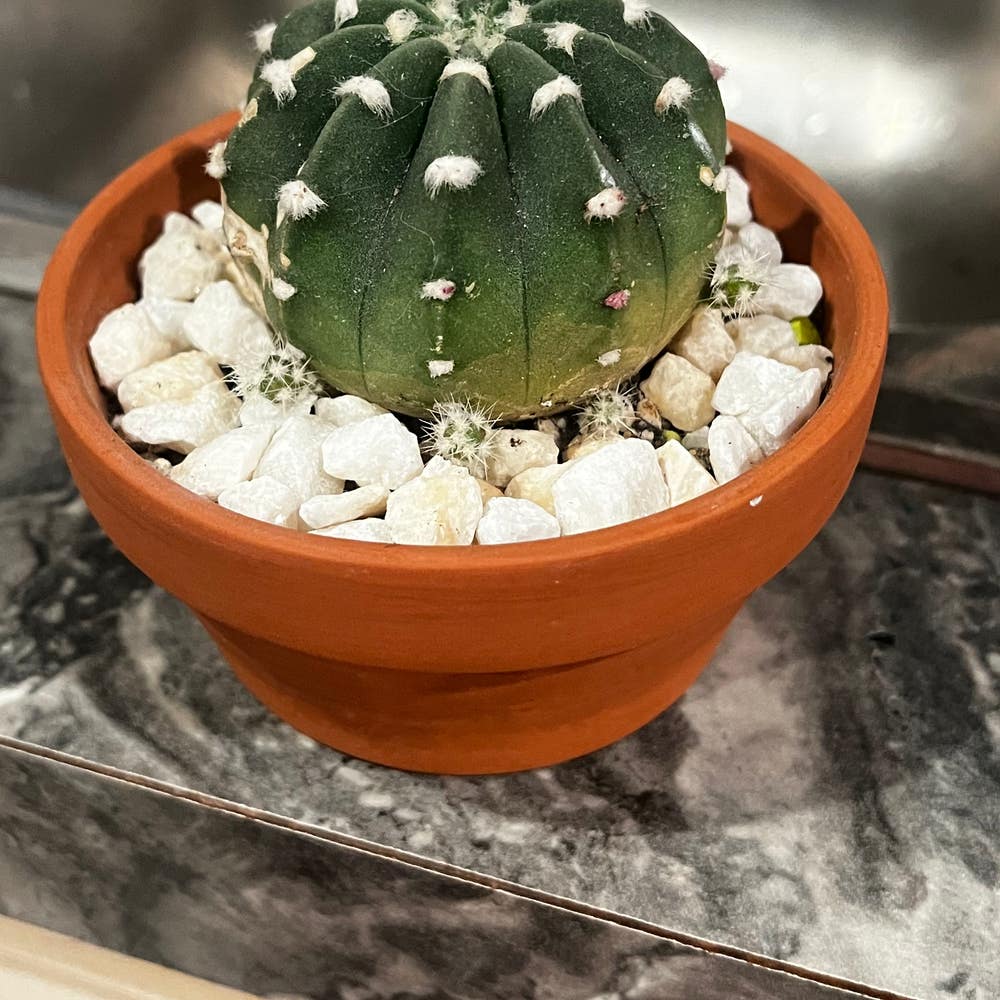
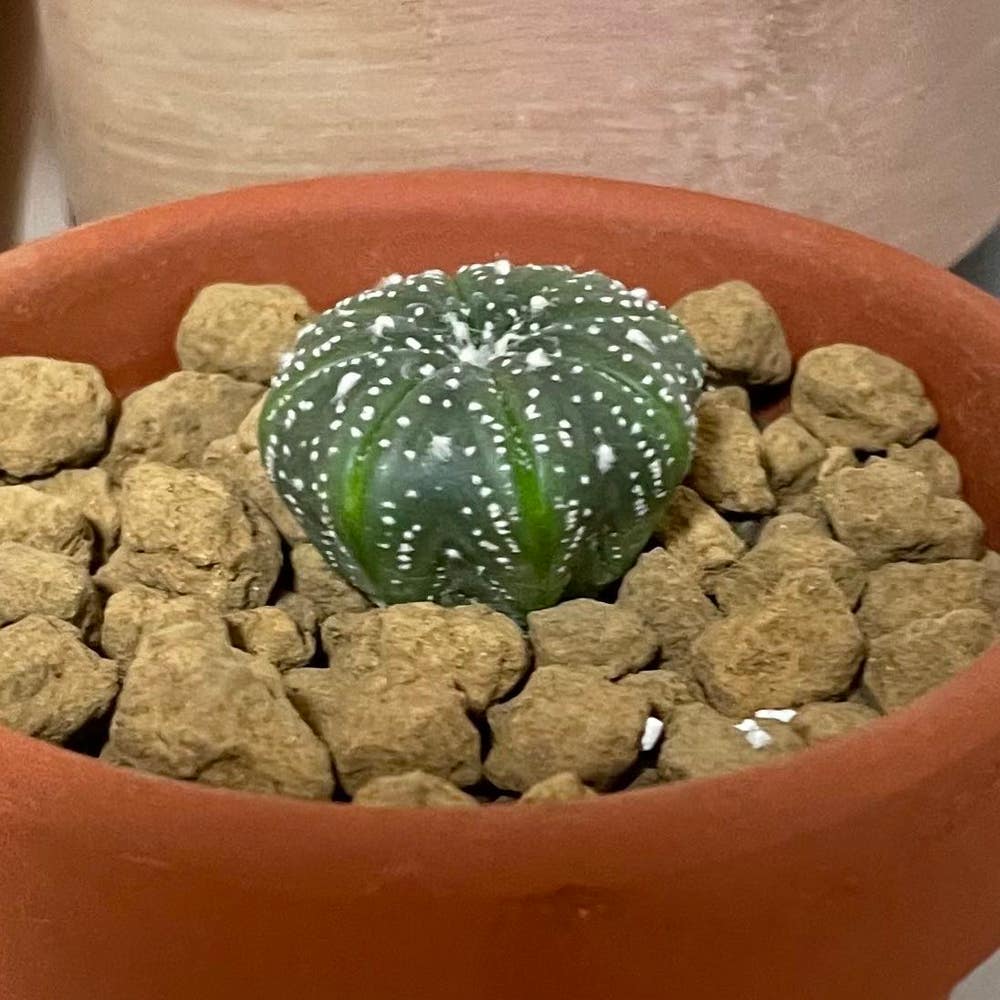
Astrophytum asterias
By the Greg Editorial Team
Jun 18, 2024•4 min read
This article was created with the help of AI so we can cover more plants for you. May contain errors. See one? Report it here.
- Overwatering leads to mushiness, but underwatering can paradoxically do the same.
- Root rot and poor soil drainage are common culprits behind the mush.
- Reset watering schedule and soil to revive and prevent future issues.
Spotting the Trouble: Signs Your Sand Dollar Cactus is Too Squishy
🚩 Visual Red Flags
Mushy leaves on your Sand Dollar Cactus are a telltale sign that all's not well. If the pads feel like overripe fruit, it's time to take note. Other symptoms to keep an eye out for include discoloration—yellow, brown, or faded green leaves are sending you an SOS.
🕵️♂️ Root and Soil Check-Up
Dig a little deeper and inspect the root health. Roots should be firm, not squishy like marshmallows. Soil moisture is another clue; if it's more swamp than desert, you've likely been overzealous with the watering can.

The Usual Suspects: What's Making Your Cactus Mushy
💦 Too Much Love: Overwatering Woes
Overwatering is the equivalent of a cactus's worst nightmare. It's the leading cause of mushiness, transforming your sturdy plant into a squishy mess. The roots, which need oxygen, are suffocated by excess moisture. Signs of waterlogged soil include a persistent dampness that would make a swamp proud and a texture that's more sponge than sand.
🍄 Fungal Foes: The Root Rot Connection
Root rot is a cactus's silent killer, a fungal invasion that turns robust roots into mush. This fungal fiesta often begins unnoticed beneath the soil, where moisture creates a playground for decay. Symptoms include a cactus that's lost its pep, sporting roots that are as black and mushy as overripe fruit.
🏜️ Thirsty Times: Can Underwatering Also Cause Mush?
It's a paradox, but yes, underwatering can lead to mushiness too. When a cactus is dehydrated, it can appear deflated and wrinkled, similar to a prune. In a desperate attempt to retain water, cells can burst, leading to mushy areas. The soil will feel bone-dry, like a desert that's forgotten what rain feels like.

Cactus CPR: Reviving Your Mushy Sand Dollar Cactus
💧 Watering Rhythm Reset
Resetting your Sand Dollar Cactus's watering schedule is like fine-tuning a vintage clock. It's delicate work that pays off. Water only when the soil is dry to the touch, which might be once a week during growth seasons or less frequently when it's dormant. Remember, these cacti are more camel than fish; they store water and prefer a drought to a flood.
- Check the soil moisture before watering.
- Adopt the soak-and-dry method for a thorough quench that doesn't drown the roots.
💦 Techniques for Proper Watering
When you do water, go for a deep soak that mimics a rare desert downpour. Let the water run through the pot, ensuring the roots get a good drink, then let it be. No sips and dribbles here; we're aiming for a full, satisfying gulp followed by a dry spell.
- Use any water that's not hard; soft water is your cactus's best friend.
- Water less frequently in winter, as if you're putting the cactus on a diet for the cold months.
🌵 Soil and Pot Makeover
Choosing the right soil mix is like picking the perfect mattress for a good night's sleep. You want one that's fast-draining and won't retain moisture like a sponge. A mix of potting soil, coarse sand, and perlite or pumice will provide the drainage your cactus craves.
- Aim for a pH of 6.5-7.5 for optimal growth.
- Mix your own soil with equal parts potting compost, perlite, and coarse sand or grit.
🏺 Importance of Pot Selection for Drainage
Terracotta pots are the unsung heroes in the fight against mushiness. They're breathable and help manage moisture like a pro. Ensure your pot has drainage holes because standing water is a cactus's nemesis.
- A pot that's too big can hold excess moisture, leading to root rot.
- Repotting in fresh, sterile soil can give your cactus a new lease on life.

Keeping It Firm: Preventing Future Mushiness
🌵 Consistent Care Routine
Establishing a watering routine that works is like finding the holy grail for your Sand Dollar Cactus. Water only when the top inch of soil feels like a dry desert, not before. Consistency is your new best friend; mark your calendar or set a reminder if you must, but keep it regular.
🌡️ Environment Checks
Monitoring humidity and temperature is not just for weather geeks. Your cactus craves stability, so keep those conditions as predictable as a morning coffee routine. If your home is drier than a comedian's wit, consider a humidifier or a pebble tray to add a touch of moisture without going overboard.
Ensuring adequate light is a balancing act; too much and you're baking your cactus, too little and it's living in the shadows. Aim for bright, indirect light, the kind that's just right for a lazy Sunday read. Overexposure is a no-go, unless you want your cactus to audition for the role of 'crispy critter'.
⚠️ Safety First
This content is for general information and may contain errors, omissions, or outdated details. It is not medical, veterinary advice, or an endorsement of therapeutic claims.
Always consult a qualified healthcare professional before using any plant as food, medicine, or supplement.
Never eat any plant (or feed one to pets) without confirming its identity with at least two trusted sources.
If you suspect poisoning, call Poison Control (800) 222-1222, the Pet Poison Helpline (800) 213-6680, or your local emergency service immediately.
Spotted an error? Please report it here.
Ensure your Sand Dollar Cactus never gets mushy again with Greg's personalized watering schedule 🌵, tailored to keep your spiky friend thriving.