How Do I Cure Sand Dollar Cactus Root Rot?
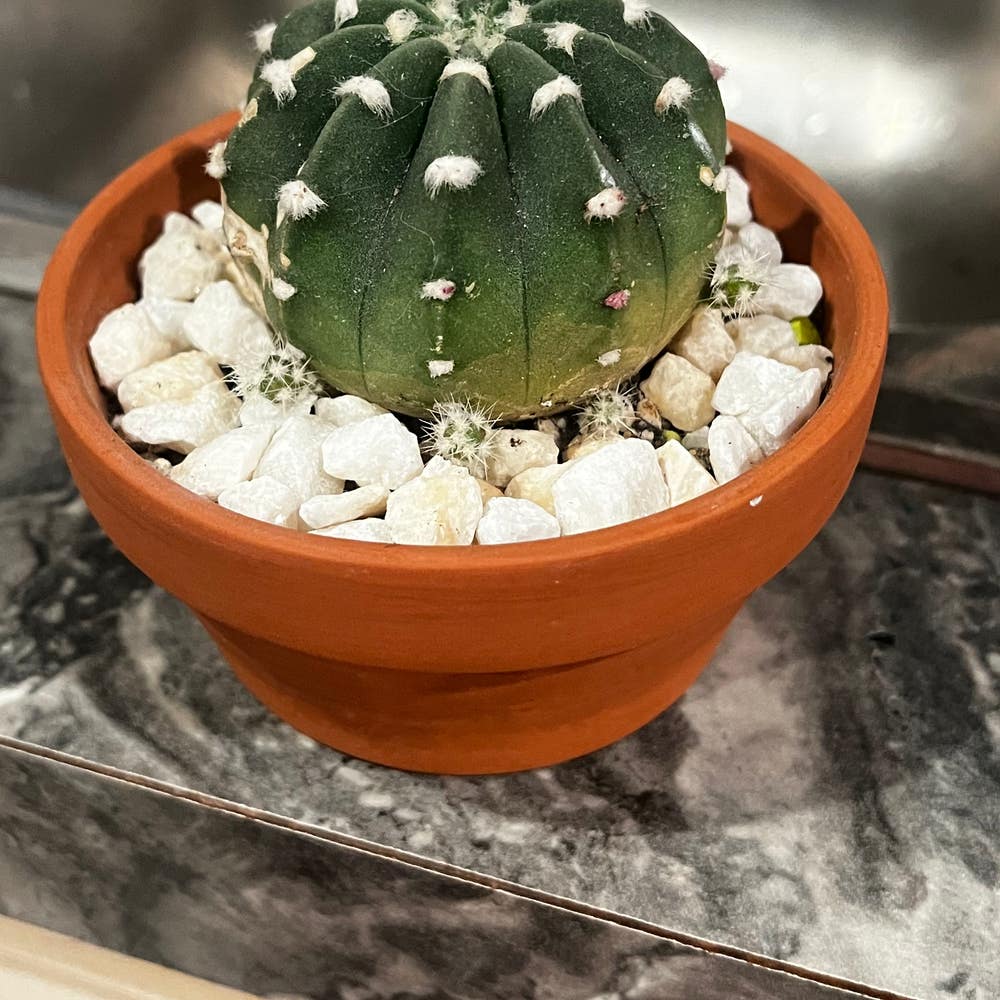
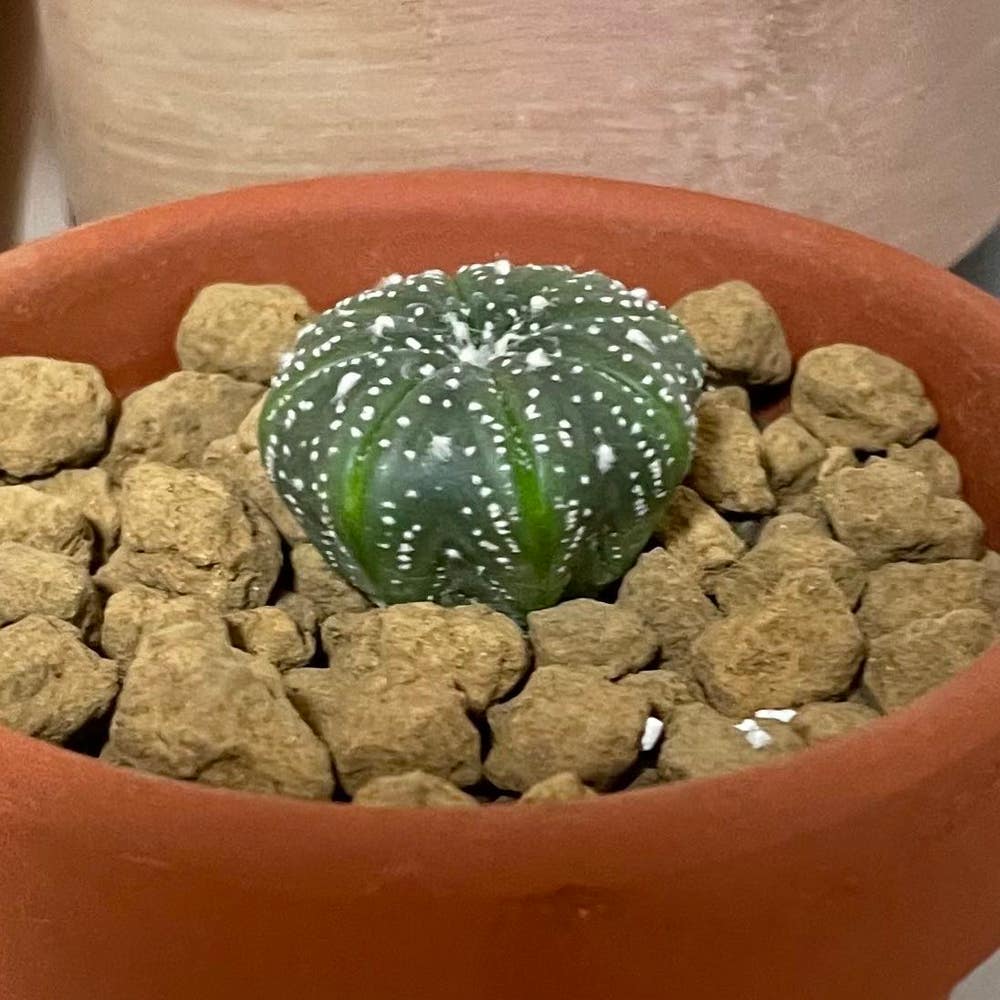
Astrophytum asterias
By the Greg Editorial Team
Jun 18, 2024•4 min read
This article was created with the help of AI so we can cover more plants for you. May contain errors. See one? Report it here.
- Spot root rot early with discoloration, mushy texture, and foul odor.
- Prune and disinfect to save the cactus; repot with well-draining soil.
- Prevent recurrence with careful watering and environmental monitoring.
Spotting the Red Flags: Recognizing Root Rot Symptoms
🚩 Visual Clues
Discoloration and texture changes in your Sand Dollar Cactus are the sneak previews of root rot. If the stems or roots are starting to look like they've been through a bad breakup—dull, discolored, and just not themselves—it's time to pay attention.
💨 Smell and Texture
When your cactus's roots feel like they've turned into a mushy horror movie prop, you've got trouble. A foul odor is the plant's way of crying out for help. If the roots have the consistency of overcooked noodles, it's a clear SOS signal.

First Response: Immediate Actions to Combat Root Rot
🚱 Halting Watering
Cease watering immediately. When root rot is suspected, the last thing your Sand Dollar Cactus needs is more H2O. It's like adding fuel to the fire—except, in this case, the fire is actually water, and it's drowning your plant's roots.
🌱 Soil Aeration Techniques
Aerate the soil to help it dry out. You can do this by gently loosening the soil around the plant with a fork or similar tool. Be careful not to damage the roots further. This isn't a treasure hunt; it's a rescue mission for your cactus's roots.

Surgical Strike: Dealing with Infected Roots
🌱 Root Pruning
When root rot rears its ugly head, sterile shears are your best friend. Snip off the rotted roots, but don't get scissor-happy; remove just the damaged parts where they meet the healthy tissue. It's like defusing a bomb—precision is key.
🦠 Disinfecting the Survivors
After the pruning purge, give the remaining roots a fighting chance with a fungicide bath. Think of it as a shield against the invisible enemies lurking around. Remember, it's not paranoia if they're really out to get your cactus.

Fresh Start: Repotting Your Sand Dollar Cactus
🌱 Choosing the Right Soil and Pot
When it comes to giving your Sand Dollar Cactus a fresh start, soil selection is non-negotiable. Think of it as the foundation of a home—it's got to be solid. You'll want a mix that's like a VIP pass for water: quick access in and out. A blend of potting soil, coarse sand, and perlite or pumice will do the trick. It's the triple threat that keeps roots happy and breathing easy.
Pot choice is just as critical. Size matters, but drainage holes are the real MVPs here. Terra cotta pots are the old faithful—they're breathable and help wick away moisture. Remember, your cactus despises wet feet as much as you hate soggy socks.
Repotting Steps
Timing: Wait for the soil to be as dry as a stand-up comedian's humor before you start. This isn't just about convenience; it's about not shocking your cactus's roots.
Prep Work: Choose a pot that's a size up from the old one. Ensure it's got those all-important drainage holes. Then, mix your soil like you're a barista crafting the perfect blend—equal parts potting soil, coarse sand, and perlite or pumice.
The Lift: Gently coax your cactus out of its current pot. If it's playing hard to get, tap the pot's sides and bottom to loosen things up. Lift the plant by supporting its base, not its spines—unless you're into that sort of thing.
Root TLC: Shake off the old soil like last year's fashion. If you spot any rotten roots, it's time for a trim. Use sterile tools and cut with the precision of a sushi chef.
Homecoming: Place a layer of your swanky new soil mix at the bottom of the pot. Set your cactus in the center like it's the star of the show. Fill the sides with more soil, but don't pack it down like you're stuffing a suitcase.
The Settle: Water your cactus sparingly. Think of it as a teaser trailer, not a full feature film. Then, find a spot with indirect light—it's like a spa retreat for your prickly friend.
Remember, repotting is like a reboot for your cactus. Done right, it's the start of a beautiful new chapter.
Keeping It Dry: Prevention Strategies for Root Rot
💧 Watering Wisdom
Consistency is your cactus's best friend when it comes to watering. Think of it as a ritual, not a routine—water only when the top inch of soil feels like a day-old sponge, slightly damp. In the cooler months, your cactus is less thirsty, so ease up on the libations.
🌱 Soil and Environmental Checks
Vigilance is key in preventing root rot. Regularly play detective with your soil, ensuring it's more gritty novel than soggy romance. Keep the air moving around your cactus; stagnant air is an invitation for unwanted fungal guests. Temperature and humidity should be monitored—aim for that sweet spot where your cactus feels like it's on a perpetual spring break, not a steamy summer fling.
⚠️ Safety First
This content is for general information and may contain errors, omissions, or outdated details. It is not medical, veterinary advice, or an endorsement of therapeutic claims.
Always consult a qualified healthcare professional before using any plant as food, medicine, or supplement.
Never eat any plant (or feed one to pets) without confirming its identity with at least two trusted sources.
If you suspect poisoning, call Poison Control (800) 222-1222, the Pet Poison Helpline (800) 213-6680, or your local emergency service immediately.
Spotted an error? Please report it here.
Overcome Sand Dollar Cactus root rot with ease and give your plant a fresh start by letting Greg 🌵 guide you with personalized care reminders and optimal environment tips.