5 Ways to Boost Your Indoor Sand Dollar Cactus 🌵
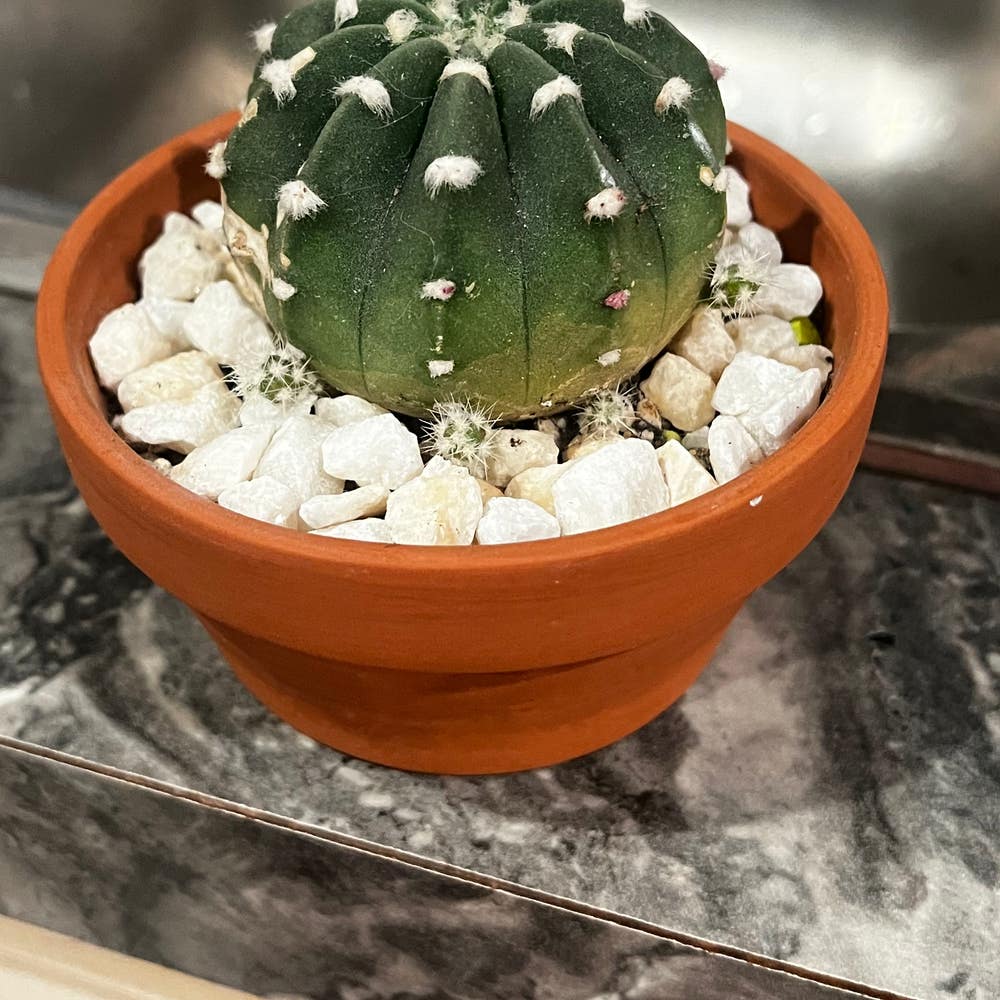
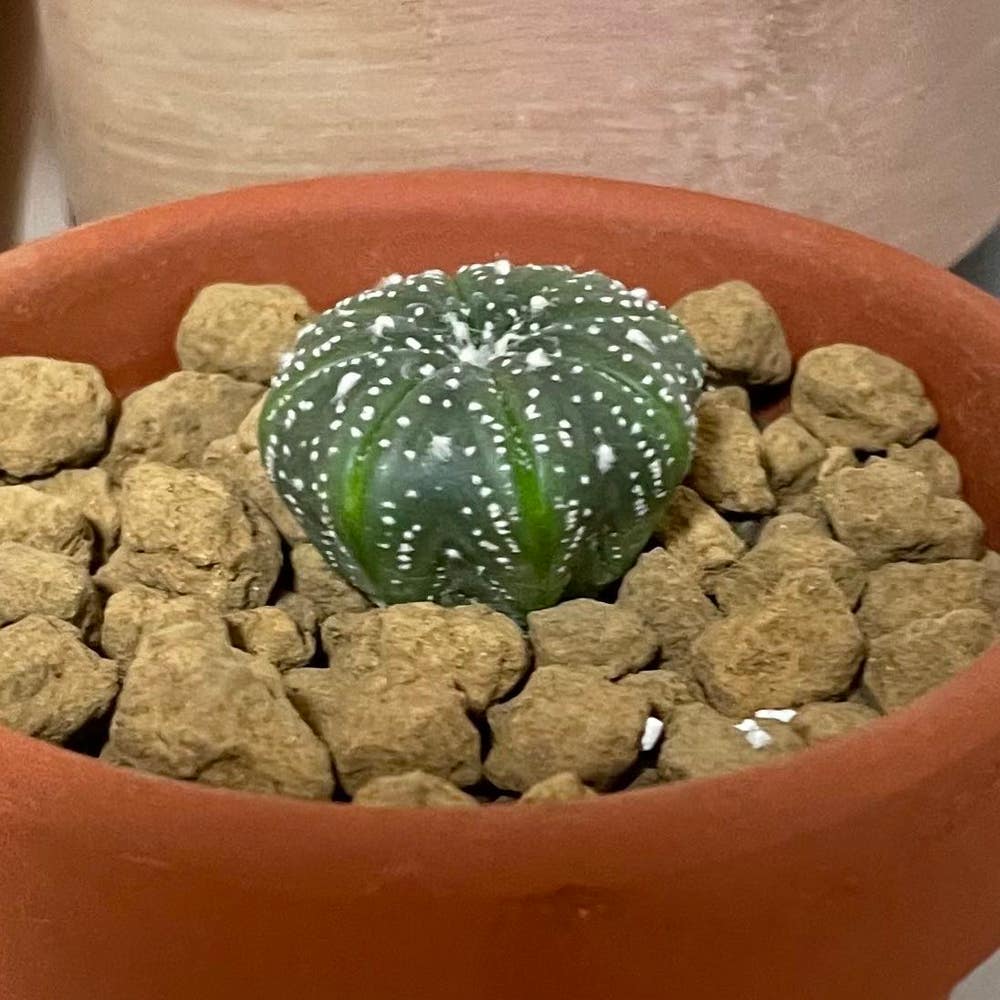
Astrophytum asterias
By the Greg Editorial Team
Sep 30, 2024•5 min read
This article was created with the help of AI so we can cover more plants for you. May contain errors. See one? Report it here.
- 🌞 Bright, indirect light is crucial; aim for 6-8 hours daily for growth.
- 💧 Water every 2-3 weeks; check soil moisture to prevent overwatering and root rot.
- 🌡️ Ideal temperature is 20-30°C; avoid temperatures below 10°C for healthy growth.
Light Requirements
Cactus Light Conditions 🌵
Indoor sand dollar cacti thrive in bright, indirect light. They can tolerate some direct sunlight, but too much can lead to sunburn.
Aim for 6-8 hours of light daily to keep your cactus happy and healthy. This balance is crucial for promoting growth and vibrant color.
Using Grow Lights 💡
If natural light is lacking, grow lights can be a game changer. They supplement sunlight, especially in dimly lit spaces.
When choosing a grow light, opt for full-spectrum LED lights. These mimic natural sunlight and are energy-efficient, with 10-20 watts being ideal for small to medium-sized plants.
Placement of Grow Lights 📏
For optimal growth, your cactus should receive 12-14 hours of light exposure each day. This duration helps simulate the natural growing conditions they crave.
Keep the grow light 12-24 inches away from the plant. This distance prevents burning while ensuring your cactus gets the light it needs to thrive.
With the right light conditions established, your indoor sand dollar cactus will flourish, setting the stage for the next essential care aspect: temperature and soil needs.
Temperature and Soil Needs
Cactus Temperature Needs 🌡️
Your indoor Sand Dollar Cactus thrives in a cozy environment, ideally between 20°C to 30°C (68°F to 86°F). Keep an eye on the thermometer; temperatures below 10°C (50°F) can stress your cactus and stunt its growth.
Cactus Soil Type 🌱
Choosing the right soil is crucial for your cactus's health. A well-draining cactus mix or a blend of potting soil, sand, and perlite works wonders.
Importance of Drainage 🚰
Good drainage is non-negotiable. It prevents root rot and ensures your cactus grows strong and healthy. Without proper drainage, your plant could face serious issues, so always prioritize this aspect when potting.
With the right temperature and soil conditions, your Sand Dollar Cactus will flourish. Next, let’s explore how to maintain an effective watering schedule and techniques to keep your cactus thriving.
Watering Schedule and Techniques
Watering Frequency and Techniques 🌊
To keep your indoor Sand Dollar Cactus thriving, water it every 2-3 weeks during the growing season. In winter, reduce this frequency to prevent overwatering.
- Check Soil Moisture: Use a moisture meter or simply stick your finger into the soil to gauge moisture levels.
- Water Thoroughly: When it's time to water, do so until you see it draining from the bottom of the pot.
- Drying Period: Allow the soil to dry completely before the next watering. This helps prevent root rot.
Common Cactus Problems ⚠️
Overwatering can lead to yellowing, mushy stems, and root rot. These signs indicate that your cactus is struggling and needs immediate attention.
On the flip side, underwatering manifests as a wrinkled, shriveled appearance. If you notice this, it’s time to adjust your watering schedule.
By keeping an eye on these signs, you can ensure your cactus remains healthy and vibrant.
Next, let’s explore how to control humidity and other environmental factors that affect your cactus’s growth.
Humidity Control and Environmental Factors
🌬️ Humidity Levels
Maintaining the right humidity is crucial for your indoor sand dollar cactus. Aim for humidity levels between 30-50% to promote optimal growth.
Low humidity can lead to stunted growth, browning edges, and an increased risk of pest infestations. Keeping an eye on these factors will help your cactus thrive.
💧 Methods for Humidity Control
There are several effective methods to control humidity around your cactus.
🌊 Use of Humidity Trays
One simple technique is to use humidity trays. Place pebbles in a shallow tray filled with water, positioning your cactus pot on top. This setup allows moisture to evaporate, creating a humid microenvironment.
🌫️ Regular Misting
Another method is regular misting. Lightly mist your cactus during dry seasons, but be cautious not to overdo it. Excess moisture can lead to issues like rot, so a gentle touch is key.
By implementing these humidity control methods, you can create a thriving environment for your indoor sand dollar cactus.
Next, let’s explore pest prevention and maintenance to keep your cactus healthy and vibrant.
Pest Prevention and Maintenance
Common Pests and Signs of Infestation 🐜
Indoor Sand Dollar Cacti can attract a few pesky pests. The most common culprits are mealybugs, spider mites, and scale insects.
Mealybugs appear as white, cotton-like masses on the stems and leaves. Spider mites, on the other hand, leave fine webbing and cause stippled leaves, indicating they’ve taken up residence.
Preventative Measures and Treatments 🛡️
To keep your cactus healthy, regular inspection is key. Check your plants weekly for any signs of pests.
If you spot an infestation, consider using neem oil or insecticidal soap. Introducing beneficial insects can also help manage pest populations naturally.
Placement and Aesthetic Maintenance 🌞
For optimal growth, place your cactus in south or west-facing windows. This ensures it receives maximum light, which is crucial for its health.
Maintaining the appearance of your cactus involves regular pruning and cleaning. During winter months, adjust its placement closer to light sources and reduce watering frequency to prevent stress.
By staying vigilant and proactive, you can enjoy a thriving indoor Sand Dollar Cactus that not only looks great but also flourishes in your care. Next, let’s explore how to control humidity levels for your cactus’s optimal growth.
⚠️ Safety First
This content is for general information and may contain errors, omissions, or outdated details. It is not medical, veterinary advice, or an endorsement of therapeutic claims.
Always consult a qualified healthcare professional before using any plant as food, medicine, or supplement.
Never eat any plant (or feed one to pets) without confirming its identity with at least two trusted sources.
If you suspect poisoning, call Poison Control (800) 222-1222, the Pet Poison Helpline (800) 213-6680, or your local emergency service immediately.
Spotted an error? Please report it here.
Elevate your indoor sand dollar cactus to new heights 🌵 with Greg's tailored light and watering tips, ensuring it thrives beautifully in your space!