🌞 Is My Sand Dollar Cactus Getting Too Much Direct Sunlight?
Astrophytum asterias
By the Greg Editorial Team
Jun 18, 2024•4 min read
This article was created with the help of AI so we can cover more plants for you. May contain errors. See one? Report it here.
- 🌞 Moderate morning light is best; intense afternoon sun may harm your cactus.
- Rotate for even exposure, prevent sunburn behind glass.
- Signs of sunburn? Relocate to indirect light, monitor color and texture.
When the Sun Kisses Too Much: Direct Sunlight and Your Cactus
🌞 What is Direct Sunlight?
Direct sunlight is unfiltered, full-intensity solar exposure. It's that no-holds-barred, straight shot of sunbeams that can make or break your Sand Dollar Cactus's day.
🌵 The Sand Dollar Cactus and its Sunbathing Preferences
Your cactus craves sunlight like a cat craves a warm lap, but moderation is key. Morning light is the sweet spot, while the afternoon sun can be a bit of a backstabber with its intense heat.
🌥 Indirect Sunlight: A Safer Embrace
Indirect sunlight is the chill cousin of direct light. It's like the sun decided to send a friendly nod instead of a bear hug, offering a gentler touch that can be just right for your spiny buddy.
🌚 Why Your Cactus Might Prefer a Little Shade
Sometimes, a bit of shade is the unsung hero for your cactus. It's about finding that cozy nook where your plant can soak up the rays without turning into a sunburnt crisp.

Reading the Sun's Path: Window Direction and Hemisphere Hints
🪟 Windows as Sunlight Gatekeepers
Windows are the gatekeepers of sunlight for your indoor plants, and the Sand Dollar Cactus is no exception. South-facing windows in the Northern Hemisphere are like the VIP lounge for cacti, offering the most consistent direct sunlight. Conversely, in the Southern Hemisphere, it's the north-facing windows that roll out the red carpet for those rays.
🌍 Hemisphere Highlights
Your hemisphere plays a critical role in how sunlight dances through your windows. In the Northern Hemisphere, south-facing windows are the go-to for basking in the sun's glory. Flip the script if you're in the Southern Hemisphere—north-facing windows are where your cactus will want to lounge.
Remember, the Sand Dollar Cactus thrives on bright light, but not all windows are created equal. Rotate your cactus occasionally to ensure it gets an even tan, and don't let it fry behind glass—think of it as a magnifying glass that can turn your beloved plant crispy.

Spotting the Signs: Is Your Cactus Sunburned?
🌞 Telltale Symptoms of Too Much Sun
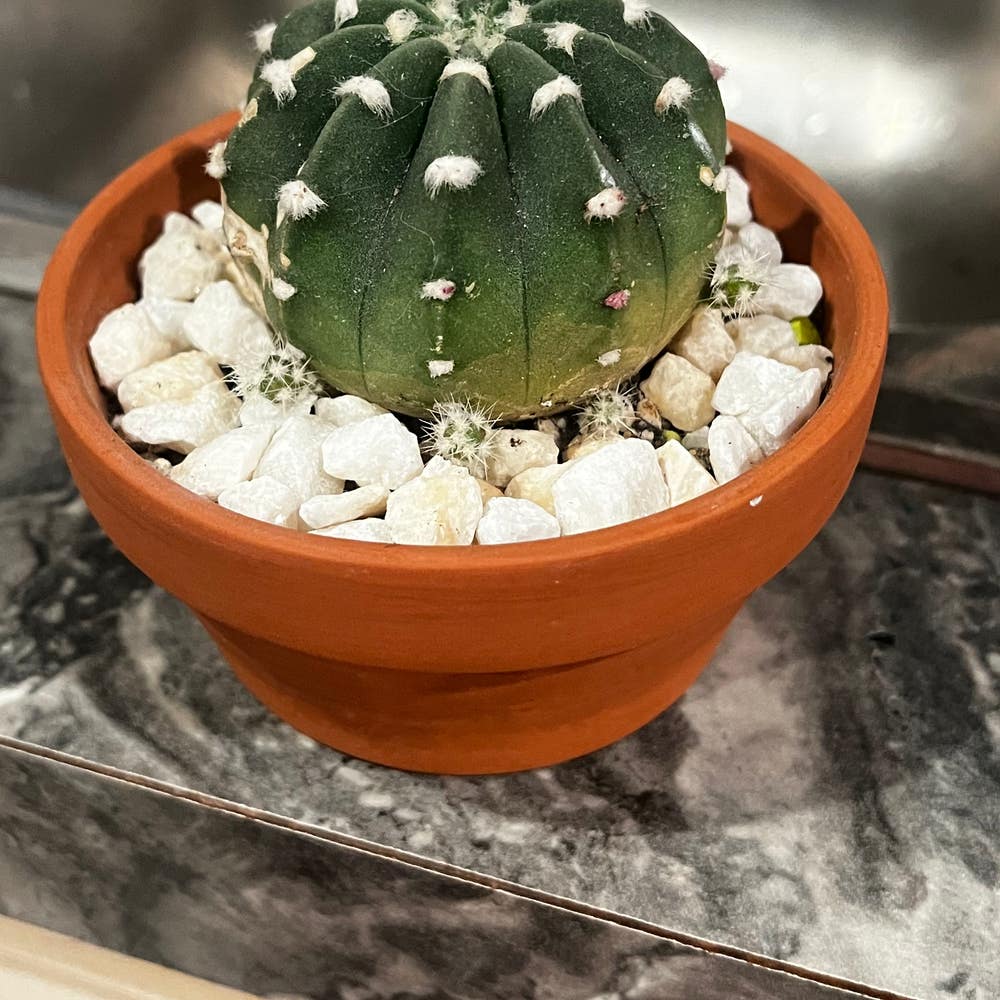
Discoloration is your cactus crying out for help. If you spot white, yellow, or brown patches, your plant is likely waving a sunburned flag. These bleached areas, particularly on the side facing the sun, are the plant equivalent of a nasty sunburn.
When the skin feels crispy or looks wrinkled, it's a clear sign your cactus has overindulged in UV rays. It's not going for a tan; it's in distress.
🛡️ Preventative Measures
Shade cloth can be a cactus lifesaver during peak sun hours. Think of it as sunscreen for your spiky friend.
Gradual acclimatization is key. If you're moving your cactus to a sunnier spot, do it slowly. Let it build up a tolerance to the intense light, much like you'd ease into a hot tub.
Monitoring is essential. Keep an eye on your cactus's color and texture. If it starts to look like it's been at a beach BBQ, it's time to intervene.
Relocation might be necessary. If your cactus is showing signs of sunburn, move it to a spot with indirect light. No need for aloe vera—just a break from the sun's harsh embrace.
Remember, your cactus loves the sun, but sometimes it can love it a little too much. Keep these tips in mind to maintain a happy, healthy, and unburned Sand Dollar Cactus.

The Perfect Spot: Balancing Sunlight for Your Sand Dollar Cactus
🌵 Home Sweet Home: Finding the Ideal Location
Location is everything for your Sand Dollar Cactus. It craves a spot that feels like its native desert—basking in bright light without the threat of a sunburn. Your mission: find a home within your home that nails this balance.
East or south-facing windows are prime real estate, offering a sun-soaked yet gentle embrace. But remember, the sun's path isn't static—what's a solar sweet spot in spring could be a scorching zone by summer. Adjust accordingly with the seasons.
🌞 Sunlight Monitoring and Plant Care
Vigilance is key in protecting your cactus from too much sun. Keep an eye on the light, and not just casually. Think of it as a stakeout where your cactus's health is on the line.
Routine checks are non-negotiable. If your cactus starts to look like it's auditioning for a role as a crispy critter, it's time to move it. And don't just eyeball it—consider a light meter to get scientific about your plant's exposure. It's like a sun dosage for your spiky friend.
⚠️ Safety First
This content is for general information and may contain errors, omissions, or outdated details. It is not medical, veterinary advice, or an endorsement of therapeutic claims.
Always consult a qualified healthcare professional before using any plant as food, medicine, or supplement.
Never eat any plant (or feed one to pets) without confirming its identity with at least two trusted sources.
If you suspect poisoning, call Poison Control (800) 222-1222, the Pet Poison Helpline (800) 213-6680, or your local emergency service immediately.
Spotted an error? Please report it here.
Avoid a crispy Sand Dollar Cactus by using Greg to monitor 🌵 the perfect light exposure, ensuring your spiky friend gets just the right amount of sun without the burn.