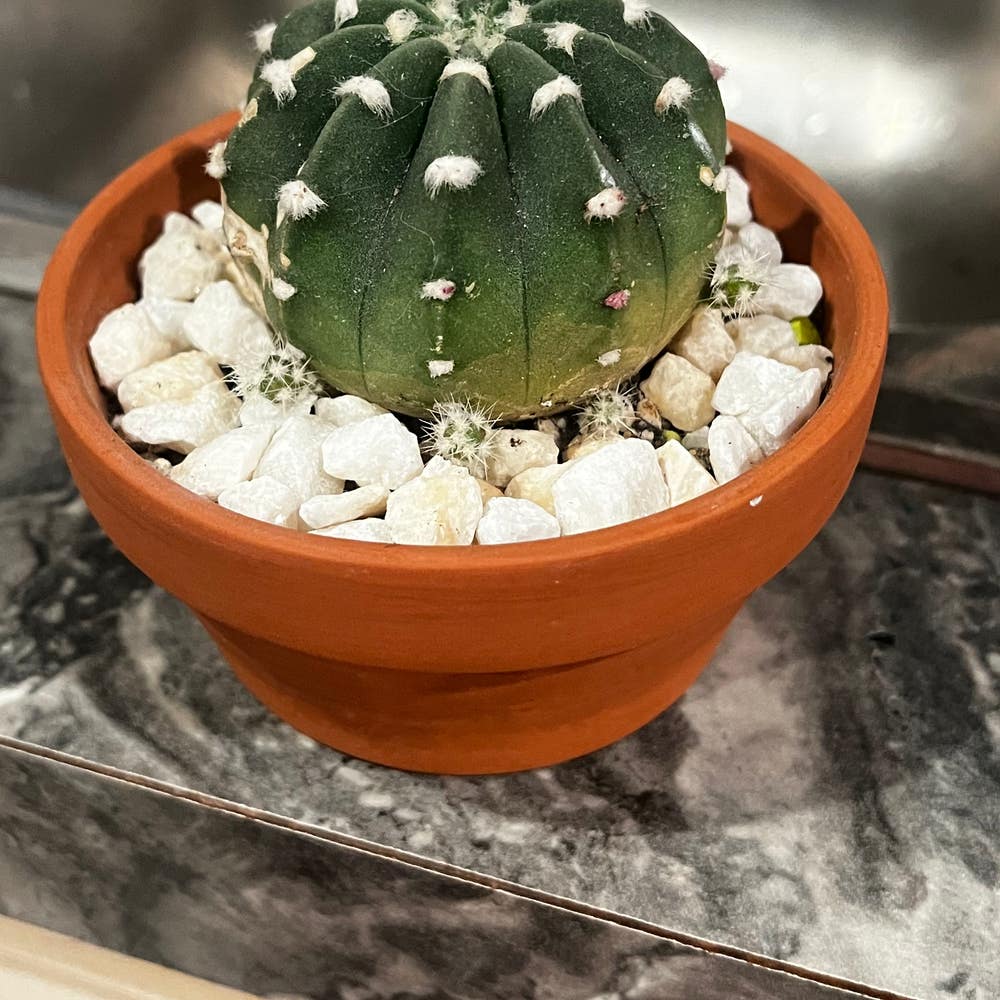
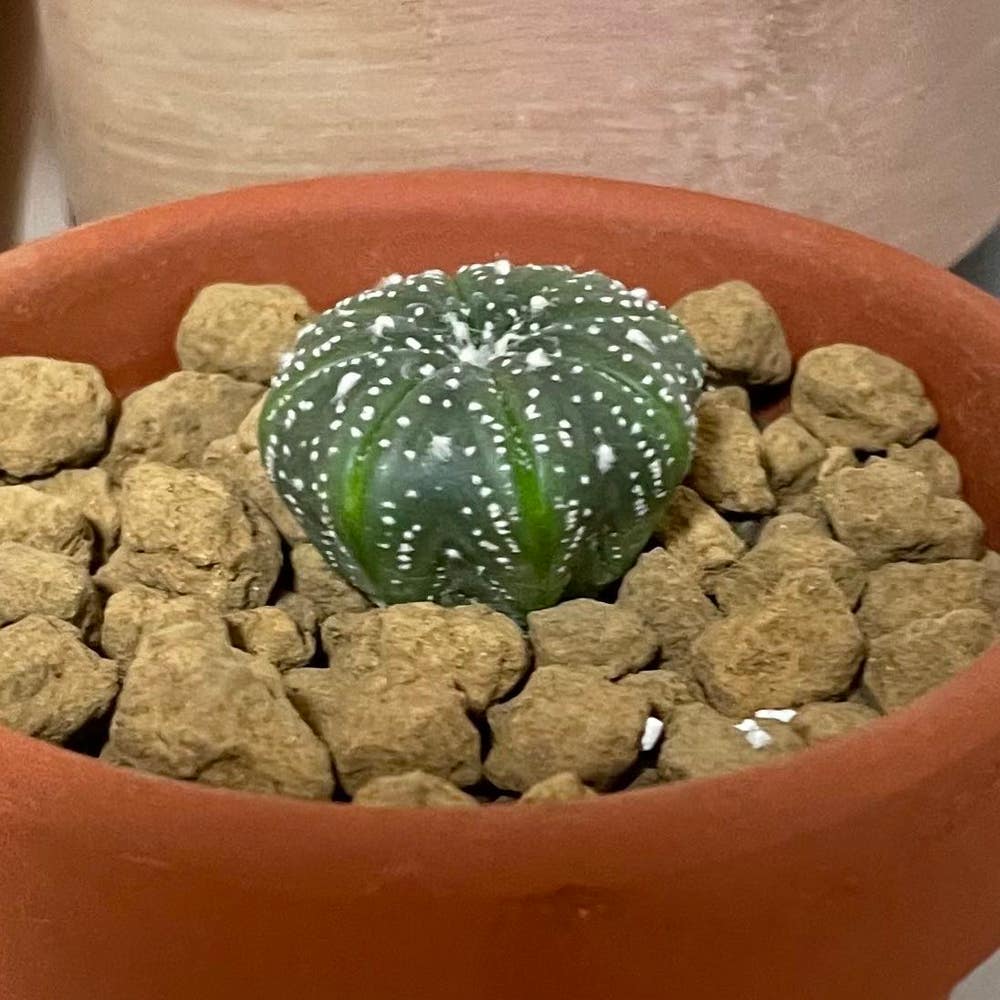
🐚 Step-by-Step Guide to Pollinating Sand Dollar Cactus
Astrophytum asterias
By the Greg Editorial Team
Sep 30, 2024•6 min read
This article was created with the help of AI so we can cover more plants for you. May contain errors. See one? Report it here.
- 🌼 Sand Dollar Cactus flowers attract pollinators like bees and hummingbirds with vibrant colors.
- 🌱 Self-pollination ensures survival even without pollinators, while cross-pollination boosts genetic diversity.
- 🖌️ Hand pollination enhances reproduction; use a brush for effective pollen transfer.
Flower Structure
Description of Characteristics 🌸
The Sand Dollar Cactus boasts funnel-shaped flowers that are truly distinctive. Their vibrant hues—ranging from pink to yellow and white—make them a striking addition to any landscape.
The arrangement of petals, sepals, stamens, and pistils is meticulously designed to facilitate effective pollination. This structure not only enhances beauty but also plays a crucial role in attracting pollinators.
Role in Pollination 🐝
The unique flower structure is a magnet for specific pollinator species. Its vibrant colors and enticing scents draw in bees, butterflies, and other beneficial insects.
Additionally, the cactus employs mechanisms that support both self-pollination and cross-pollination. This adaptability ensures that the Sand Dollar Cactus can reproduce successfully, regardless of environmental conditions.
Understanding these characteristics is vital for anyone interested in cultivating or conserving this remarkable plant. With the right knowledge, you can help ensure its continued survival and thriving presence in the ecosystem.
Pollination Process
🌱 Self-Pollination
The Sand Dollar Cactus has a fascinating ability to self-pollinate. This process occurs when pollen from the stamens of a flower fertilizes its own pistil, ensuring reproduction even in the absence of pollinators.
Self-pollination offers significant advantages, particularly in environments where pollinator activity may be inconsistent. It guarantees a consistent reproduction cycle, allowing the cactus to thrive in challenging conditions.
🐝 Cross-Pollination
While self-pollination is effective, cross-pollination enhances genetic diversity. The primary pollinators of the Sand Dollar Cactus include bees, butterflies, moths, and hummingbirds.
To attract these vital pollinators, the cactus employs vibrant colors and enticing scents. These features not only draw in pollinators but also create a lively ecosystem around the cactus, fostering a rich environment for growth and reproduction.
Natural Pollination
Pollen Transfer Mechanisms 🌼
Natural pollination in the Sand Dollar Cactus relies on a fascinating interplay of flower structure and environmental factors. Pollen is transferred between flowers primarily through the actions of pollinators, such as bees and butterflies, which visit the vibrant blooms seeking nectar.
Wind can also play a role, carrying pollen from one flower to another. However, the effectiveness of this transfer often hinges on environmental conditions like humidity and temperature, which can either facilitate or hinder the process. For instance, higher humidity can help pollen grains remain viable longer, increasing the chances of successful fertilization.
Importance of Pollination 🌱
Pollination is crucial for the reproduction of the Sand Dollar Cactus. It not only ensures the production of seeds but also enhances genetic diversity within the population.
Genetic diversity is vital for the resilience of the Sand Dollar Cactus, especially in harsh environments. A diverse gene pool allows the cactus to adapt to changing conditions, making it more likely to thrive despite challenges like drought or disease. This adaptability is essential for the long-term survival of the species.
As we explore further, understanding how to support these natural processes can lead to healthier ecosystems and flourishing cactus populations.
Hand Pollination Techniques ((difficulty:moderate))
Step-by-Step Instructions
Identify Male and Female Flower Parts:
Start by locating the male parts, known as stamens, which produce pollen. The female parts are the pistils, featuring a stigma that receives the pollen.Collecting Pollen:
Use a small brush or cotton swab to gently gather pollen from the stamens. This step is crucial for ensuring you have enough pollen for effective transfer.Transferring Pollen:
Carefully apply the collected pollen to the stigma of the female flower. This delicate process is vital for initiating fertilization.Timing:
Perform the hand pollination during peak flowering hours for the best results. This timing maximizes the chances of successful fertilization.
🌱 Ensuring Successful Fertilization
To enhance the likelihood of successful fertilization after hand pollination, consider the following conditions:
- Optimal Temperature: Ensure the environment is warm but not too hot, as extreme temperatures can hinder the process.
- Humidity Levels: Moderate humidity can help pollen remain viable longer, increasing the chances of fertilization.
- Flower Health: Healthy flowers are more likely to produce viable seeds, so keep an eye on their overall condition.
By following these steps and conditions, you can effectively hand-pollinate Sand Dollar Cactus, ensuring its continued growth and reproduction. This hands-on approach not only aids in the cactus's survival but also deepens your connection to these unique plants.
Next, let’s explore how to support pollinators in your garden, creating an inviting environment for these essential creatures.
Supporting Pollinators
🌼 Creating a Pollinator-Friendly Environment
Designing a garden that attracts beneficial pollinator species is both rewarding and essential. Start by incorporating a variety of native plants, as they are adapted to local conditions and provide the best resources for pollinators.
Diverse habitats are crucial. Create layers in your garden with flowers, shrubs, and trees to offer different nesting and feeding opportunities. This variety not only attracts a wider range of pollinators but also promotes a balanced ecosystem.
🌿 Companion Plants
Choosing the right companion plants can significantly enhance pollinator activity around your Sand Dollar Cactus. Consider planting species like lavender, bee balm, or salvia, which are known to attract bees and butterflies.
Look for flowering plants that bloom simultaneously with your cactus. This ensures a continuous food source for pollinators, increasing the chances of successful visits to your cactus flowers. By fostering a vibrant garden, you support not just your cactus but the entire pollinator community.
Pollination Challenges
🌪️ Common Obstacles
Pollination can be a tricky business for the Sand Dollar Cactus. Environmental factors like temperature and humidity play a significant role in determining pollination success. Extreme heat or unexpected cold snaps can deter pollinators, while high humidity can lead to fungal issues that affect flower health.
Another major challenge is the decline in pollinator populations. Habitat loss and seasonal variations can lead to fewer bees, butterflies, and other essential pollinators visiting the cactus. Without these creatures, the chances of successful pollination drop dramatically.
🛠️ Solutions
Fortunately, there are several strategies to tackle these challenges. To mitigate environmental impacts, consider creating microclimates around your cactus. This can involve planting windbreaks or using shade cloth to protect flowers from harsh conditions.
Encouraging pollinator visitation is equally important. Planting native flora not only attracts local pollinators but also supports their populations. Additionally, providing water sources, like shallow dishes filled with pebbles and water, can create a welcoming environment for thirsty pollinators.
By addressing these obstacles, you can help ensure that your Sand Dollar Cactus thrives and continues to produce beautiful blooms. With a little effort, you can create a vibrant ecosystem that supports both the cactus and its pollinators.
⚠️ Safety First
This content is for general information and may contain errors, omissions, or outdated details. It is not medical, veterinary advice, or an endorsement of therapeutic claims.
Always consult a qualified healthcare professional before using any plant as food, medicine, or supplement.
Never eat any plant (or feed one to pets) without confirming its identity with at least two trusted sources.
If you suspect poisoning, call Poison Control (800) 222-1222, the Pet Poison Helpline (800) 213-6680, or your local emergency service immediately.
Spotted an error? Please report it here.
Pollinate your Sand Dollar Cactus for thriving blooms 🌼 and let Greg guide you with tailored reminders and tips to create the perfect environment for successful reproduction!