Sand Dollar Cactus Is Not an Annual 🌵
Astrophytum asterias
By the Greg Editorial Team
Sep 30, 2024•5 min read
This article was created with the help of AI so we can cover more plants for you. May contain errors. See one? Report it here.
- 🌵 Sand Dollar Cactus is a perennial, thriving for years unlike true annuals.
- 🌼 Enjoy continuous blooms and growth, enhancing your garden's beauty year after year.
- 💧 Ideal for xeriscaping, it conserves water and thrives in low-water conditions.
Classification of Sand Dollar Cactus
Comparison to True Annuals 🌼
The Sand Dollar Cactus is a perennial marvel, living for many years, unlike true annuals that complete their life cycle in just one season. This longevity allows it to thrive in various environments, adapting over time to changing conditions.
In contrast to annuals, which often exhibit a rapid growth cycle, the Sand Dollar Cactus showcases continuous growth and flowering patterns across multiple seasons. This means you can enjoy its unique beauty year after year, rather than just for a fleeting moment.
The cactus's ability to bloom repeatedly enhances its appeal, offering a vibrant display that evolves with the seasons. This characteristic sets it apart from annuals, which typically produce a single burst of flowers before fading away.
Understanding these differences not only enriches your gardening knowledge but also helps you appreciate the resilience and adaptability of the Sand Dollar Cactus. As we delve deeper into its genetic and physiological traits, you'll see how these factors contribute to its long-term lifecycle and unique growth patterns.
Genetic and Physiological Characteristics
🌱 Long-term Lifecycle
The Sand Dollar Cactus is a remarkable plant, capable of living for decades. This longevity allows it to adapt to various environmental changes, making it a resilient choice for gardeners.
Its slow growth rate is a key factor in its classification as a perennial. Unlike fast-growing annuals, the Sand Dollar Cactus takes its time, ensuring that it thrives over many seasons.
🌵 Unique Growth Patterns
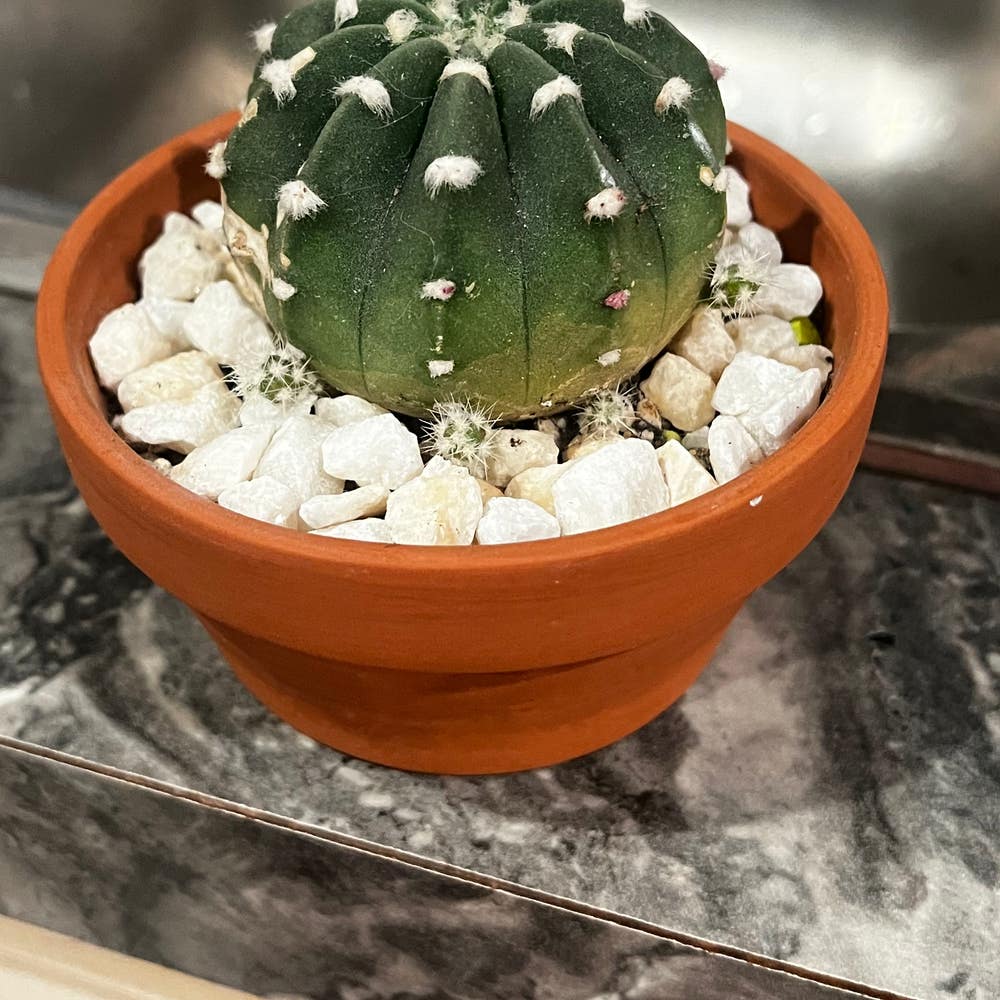
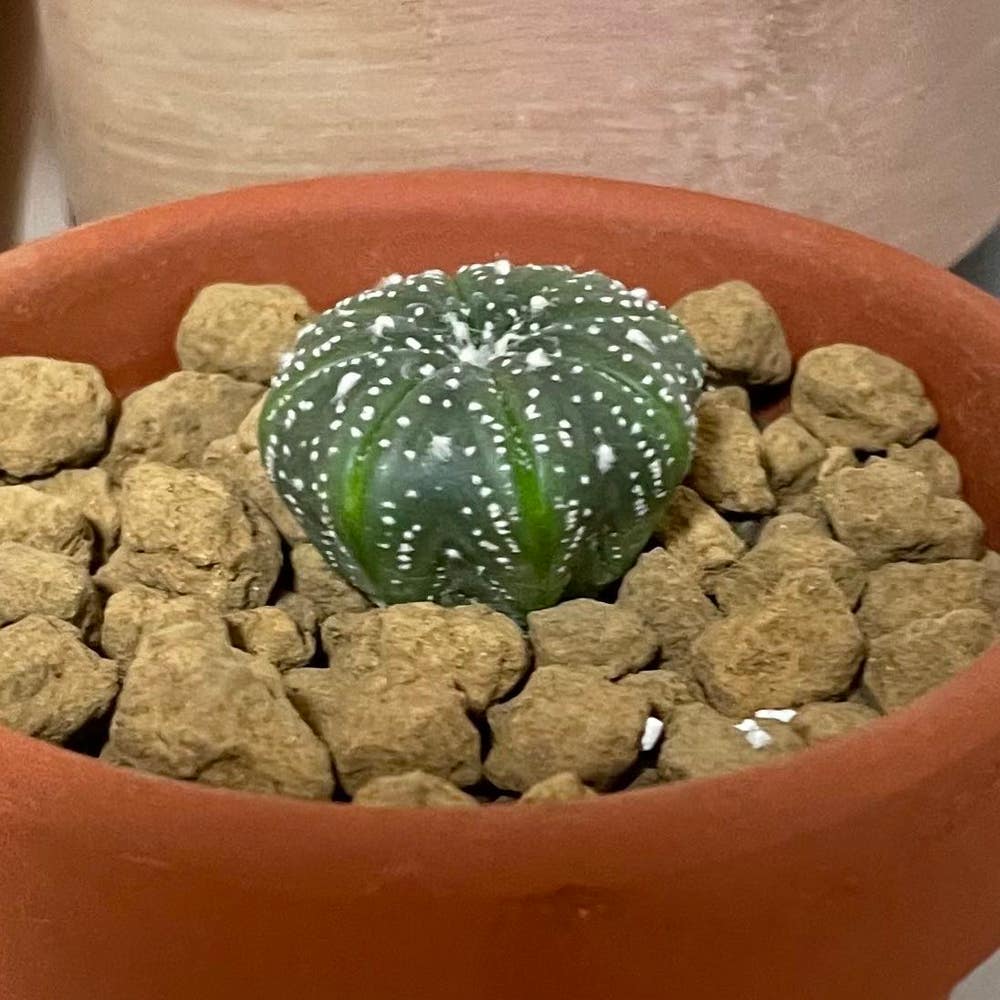
One of the most striking features of the Sand Dollar Cactus is its flattened, disc-like shape. This unique adaptation helps it conserve water in arid environments, a crucial survival trait.
During the warmer months, the cactus enters an active growth phase. Conversely, it goes dormant in cooler months, conserving energy and resources.
🌼 Reproductive Strategies
The Sand Dollar Cactus employs effective reproductive strategies to ensure its survival. It produces both seeds and offsets, allowing for propagation in various conditions.
Rather than focusing on quantity, this cactus emphasizes the quality and longevity of its seeds. This long-term strategy enhances its chances of thriving in challenging environments.
Lifecycle Implications
🌱 Effects on Growth and Flowering
The Sand Dollar Cactus blooms during specific seasons, responding to environmental cues like temperature and moisture. This seasonal flowering creates a beautiful display that captivates gardeners and passersby alike.
Unlike many annuals, the flowers of the Sand Dollar Cactus can last significantly longer. This extended bloom period adds visual interest to gardens, making it a standout choice for those looking to enhance their landscape.
🌼 Seed Production Compared to Annuals
One of the remarkable traits of the Sand Dollar Cactus is its seed viability. Its seeds can remain dormant for extended periods, waiting for the right conditions to germinate.
In contrast, annuals tend to produce many seeds quickly, focusing on quantity over quality. The Sand Dollar Cactus, however, prioritizes fewer, more resilient seeds, ensuring its survival in challenging environments.
This unique reproductive strategy not only enhances its adaptability but also contributes to its long-term success as a perennial. Understanding these lifecycle implications can help gardeners appreciate the Sand Dollar Cactus's role in their gardens.
As we explore the variations and exceptions of this fascinating plant, we'll uncover how environmental factors can influence its growth and classification.
Variations and Exceptions
🌪️ Conditions Leading to Misclassification
Environmental stress can significantly impact the Sand Dollar Cactus. Extreme drought or poor soil conditions may limit its growth and flowering, leading to misunderstandings about its true nature.
Gardeners might misinterpret a lack of visible growth as a sign that the cactus is an annual. This misconception can result in premature removal or neglect of this resilient plant.
🌍 Regional Differences
Climate plays a crucial role in the health of the Sand Dollar Cactus. In cooler regions, it may not thrive as expected, which can further fuel misconceptions about its classification.
Cultural practices also influence how this cactus is treated. Different gardening traditions may lead to varying levels of care, affecting the plant's growth and longevity.
Understanding these variations is essential for proper care and appreciation of the Sand Dollar Cactus. With the right knowledge, gardeners can ensure this unique plant flourishes in their landscapes.
Next, we’ll explore effective garden design and planting strategies to make the most of this remarkable perennial.
Garden Design and Planting Strategies
Advantages in Perennial Planting 🌵
The Sand Dollar Cactus is a fantastic choice for gardeners looking to create a drought-tolerant landscape. Its ability to thrive in low-water conditions makes it perfect for xeriscaping, where conserving water is key.
Additionally, its unique disc-like shape and texture add a striking visual element to any garden. This distinctive aesthetic can serve as a focal point or complement other plants beautifully.
Tips for Integration 🤝
When integrating the Sand Dollar Cactus into your garden, consider companion planting. Pairing it with other succulents and drought-tolerant plants can enhance the overall look while ensuring that all plants thrive together.
Placement is crucial for optimal growth. Make sure to consider sun exposure and soil drainage, as these factors significantly impact the cactus's health and flowering potential.
Management Tips for Longevity
🌱 Best Practices for Perennial Management
To ensure your Sand Dollar Cactus thrives, establish a solid watering schedule. During its active growth phase, deep watering is essential, while minimal watering is needed during dormancy.
Soil quality is equally important. Use well-draining soil to prevent root rot, which can be detrimental to this resilient plant.
🌟 Maximizing Longevity and Health
Regular monitoring is key to maintaining the health of your cactus. Keep an eye out for signs of stress or disease, as early detection can make a significant difference.
Fertilization also plays a crucial role. Apply a balanced fertilizer during the growing season to support its health and encourage vibrant flowering.
By following these management tips, you can enjoy the beauty of your Sand Dollar Cactus for years to come. Next, let’s explore how to integrate this unique plant into your garden design effectively.
⚠️ Safety First
This content is for general information and may contain errors, omissions, or outdated details. It is not medical, veterinary advice, or an endorsement of therapeutic claims.
Always consult a qualified healthcare professional before using any plant as food, medicine, or supplement.
Never eat any plant (or feed one to pets) without confirming its identity with at least two trusted sources.
If you suspect poisoning, call Poison Control (800) 222-1222, the Pet Poison Helpline (800) 213-6680, or your local emergency service immediately.
Spotted an error? Please report it here.
Enjoy the stunning beauty of your Sand Dollar Cactus for years to come 🌵 with Greg's tailored watering schedules and care tips that keep your resilient plant thriving!