🏖 Propagating My Sand Dollar Cactus: Step-by-Step Guide
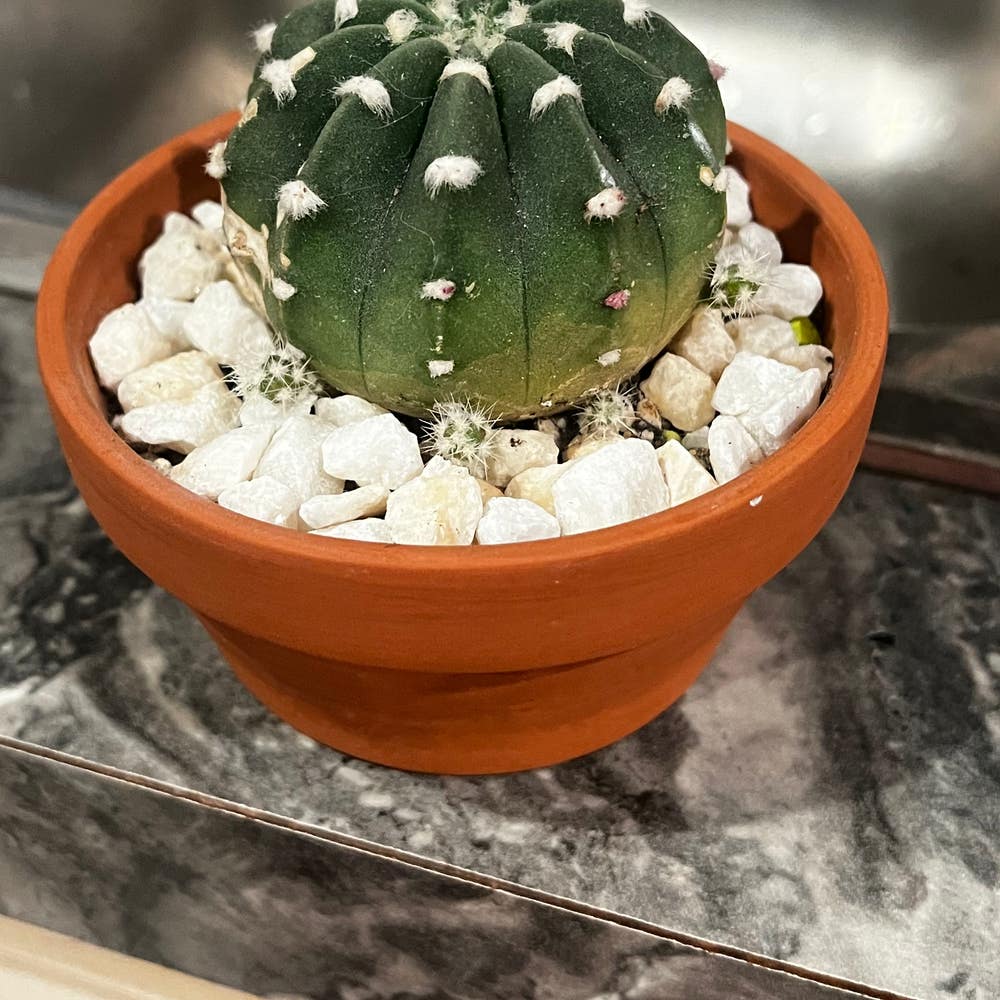
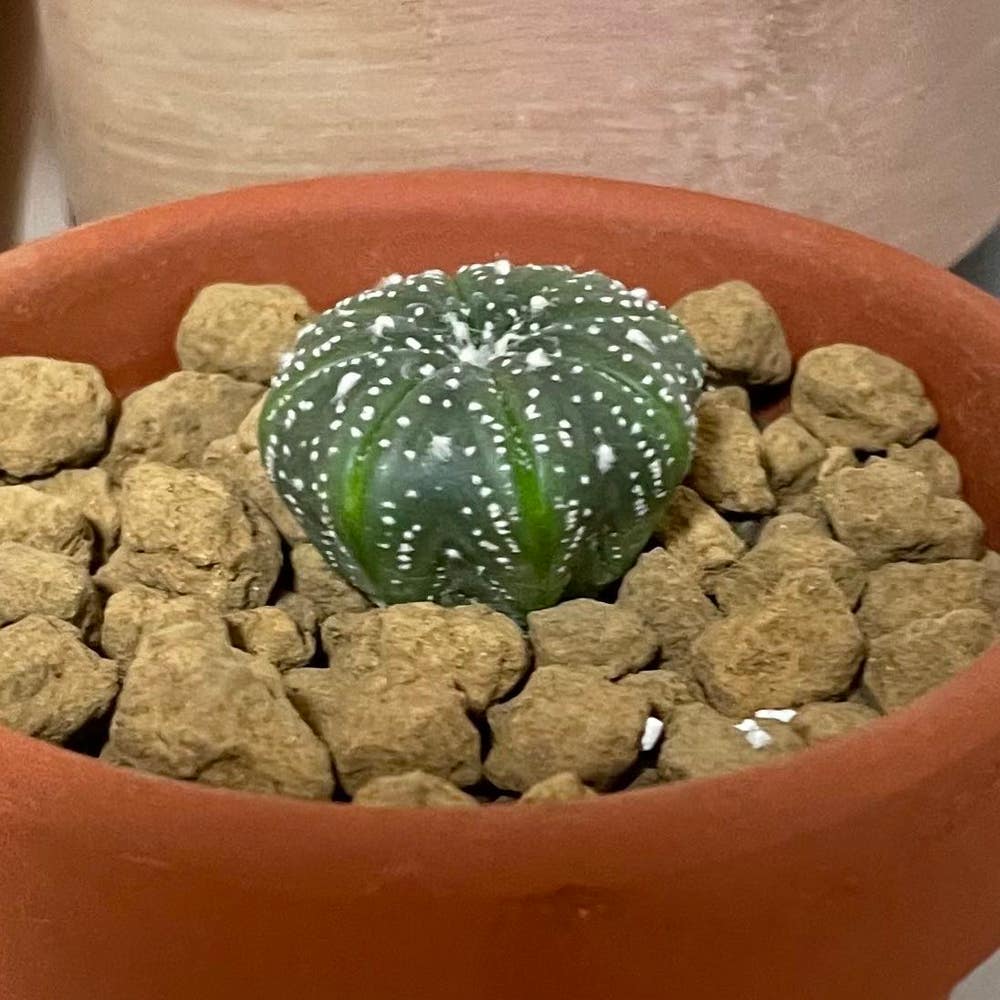
Astrophytum asterias
By the Greg Editorial Team
Jun 18, 2024•6 min read
This article was created with the help of AI so we can cover more plants for you. May contain errors. See one? Report it here.
- Division vs. seed propagation: Quick multiplication or varied outcomes.
- Timing and tools matter: Use sterile equipment and choose the right moment.
- Patience and vigilance: Monitor new cacti closely, adjust care as they grow.
Choosing Your Propagation Adventure
🌱 Division vs. Seed: The Showdown
In the red corner, we have division propagation: the quick fix of Sand Dollar Cactus multiplication. It's like cloning; you get a mini-me of your beloved cactus in a fraction of the time it takes to binge-watch your favorite series. Seed propagation, in the blue corner, is the slow burn. It's the tortoise to division's hare, offering a surprise package that could differ from the parent plant. Seeds are a gamble, but they sidestep the risk of disease transmission common in offsets.
🛠️ Gear Up: Tools of the Trade
Before you roll up your sleeves, let's talk tools. For division, you'll need a sharp knife or pair of scissors, and a steady hand wouldn't hurt. Gloves are a given unless you fancy a prickly surprise. For the seed enthusiasts, prepare a mix that's one part potting soil, one part coarse sand, and one part perlite. It's like the holy trinity for cactus seeds. Containers should have drainage holes to prevent soggy soil syndrome. And don't forget to sterilize everything—unless you're aiming for a petri dish rather than a plant pot.

Getting Hands-On with Division Propagation
⏰ Timing is Everything
In the realm of division propagation, timing isn't just a suggestion—it's the rule. Dormancy is your golden ticket, ensuring the Sand Dollar Cactus isn't in the throes of growth or stress. If you're caught off-season, a dry spell can also work, but it's like playing propagation roulette.
🏥 The Art of Division
🚑 Prepare for Surgery
Arm yourself with a sharp knife and a steady hand. Your mission: to separate the offsets from the mother plant without causing a cactus calamity.
🛠️ Operation Division
- Gently excavate the cactus, taking care not to damage its roots more than necessary.
- Identify the offsets—these are your future cacti. Ensure each has a growing point and its own roots.
- With precision, slice through the connecting tissue. If you're sweating bullets, remember: a clean cut heals faster.
- Let the cuts callous. This isn't procrastination; it's preventing rot and infection.
🌱 Planting Your Future Cacti
🏺 Potting Protocol
Choose a pot that's cozy, not cavernous. Drainage is your best friend here, so don't skimp on a pot with proper holes.
🏜️ The Soil Situation
Mix it up with a gritty concoction—part sand, part compost, part perlite. Your cactus kids crave good drainage and minimal moisture retention.
🏠 Settling In
Nestle each offset into its new home, but don't water them into oblivion. Moderation is key. Then, place them in a spot where the sun is bright but not brutal.
⏳ The Waiting Game
Patience is a virtue, especially in cactus parenting. Resist the urge to fuss over them. Give them time to root and acclimate to their new digs.

Sowing Success with Seed Propagation
🌵 Seed Collection and Prep
Harvesting Sand Dollar Cactus seeds is like hitting the jackpot in the cactus world. To get started, wait for the flowers to dry up and collect the seeds. Freshness is your best friend here, so use seeds that are mature and bone-dry. Store them in a cool, dry place until you're ready to sow your future spiky companions.
From Tiny Seeds to Tiny Plants
Now, let's turn those seeds into baby cacti. Sterile propagation media is the VIP pass for your seeds—think light, airy, and free from the riff-raff of pathogens. Mix your seeds with a bit of horticultural sand to make them easier to handle. Remember, some seeds like a sunbath to germinate, while others prefer the cover of darkness.
Sow your seeds on the surface of your chosen medium, and space them out like party guests who weren't all that close to begin with. Moisture is crucial, but don't drown the little guys—aim for damp, not a swamp. Cover them with a sprinkle of sand or perlite, and place them in a warm spot with indirect light.
Patience is the name of the game now. Germination can take anywhere from a fortnight to a month, so keep the soil consistently moist and wait for the magic to happen. Once they're big enough to handle, transplant them to their own pots and start planning your cactus empire.

Nurturing Your New Cactus Creations
🌵 The First Few Weeks
After the initial propagation phase, vigilance is your new best friend. Your Sand Dollar Cactus is as vulnerable as a newborn, so keep a watchful eye without smothering it. No water for the first couple of weeks; let the roots chase the moisture they need. This tough love encourages a stronger root system.
🌵 Growth Milestones
When your cactus starts to sprout new growth, it's like a silent high-five from Mother Nature. Don't get overzealous with the watering can though; more cacti have perished from overwatering than from neglect. A subtle change in color or a slight firmness at the base can signal that your cactus is ready to take on more of life's challenges, like a regular watering schedule.
Propagation Pitfalls: Troubleshooting Tips
🌵 Common Hiccups
Even the seasoned cactus propagator can hit a snag. Here's how to troubleshoot common issues with your Sand Dollar Cactus propagation.
⚖️ Overwatering vs. Underwatering
Overwatering is the fast track to rot, while underwatering leaves your cacti gasping. If your cactus is more limp than a forgotten salad, cut back on the H2O. Conversely, a parched cactus needs a drink, stat.
🐜 Pest Patrol
Pests love a good cactus feast. If you spot unwelcome diners, show them the door with a gentle insecticidal soap.
🌞 Sunburn and Shade
Too much sun can scorch; too little can stunt. Find that sweet spot where your cactus can bask without baking.
⚫ Black Spots
Black spots are the red flags of the cactus world. Isolate the affected plant and assess for fungal foes. A fungicide might be your new best friend.
Prevention is Better Than Cure
A stitch in time saves nine, and the same goes for cactus care. Here's how to prevent propagation problems before they start.
🧼 Cleanliness is Next to Cactus Godliness
Sterilize your tools. It's a simple step that keeps diseases at bay.
🌱 The Right Soil
Your cactus craves well-draining soil. Think gritty, not soggy, to avoid root rot.
💧 Water Wisdom
Water deeply but infrequently. Your cactus isn't a fish; it doesn't need to swim.
👀 Scouting for Trouble
Keep an eagle eye on your cacti. Early detection of pests or disease can mean the difference between a quick fix and a cactus funeral.
🌵 Space Matters
Give your cacti room to breathe. Overcrowding is a no-no; it's not a cactus party.
By staying vigilant and proactive, you can navigate the prickly path of cactus propagation with fewer hiccups and more high fives.
⚠️ Safety First
This content is for general information and may contain errors, omissions, or outdated details. It is not medical, veterinary advice, or an endorsement of therapeutic claims.
Always consult a qualified healthcare professional before using any plant as food, medicine, or supplement.
Never eat any plant (or feed one to pets) without confirming its identity with at least two trusted sources.
If you suspect poisoning, call Poison Control (800) 222-1222, the Pet Poison Helpline (800) 213-6680, or your local emergency service immediately.
Spotted an error? Please report it here.
Successfully propagate your Sand Dollar Cactus 🌵 by following this guide and letting Greg remind you when to water and connect you with experts for any troubleshooting along the way.